It’s Tuesday, December 2. This is The Front Page, your daily window into the world of The Free Press—and our take on the world at large. Today: How Trump’s latest lawfare efforts backfired. The end of deafness could be nearer than you think. Is designing your baby’s genes unethical—or a moral imperative?
But first: Will Israel pardon Bibi?
Presidential pardons have become a routine part of American political life. When Joe Biden pardoned members of his family just before leaving office, the outrage lasted only as long as it took for Trump to pardon hundreds of people for their actions on January 6.
In Israel, however, presidential pardons are a lot rarer, and they come with strings attached. That is why the news that Benjamin Netanyahu has formally requested a pardon is so seismic.
For more than five years, and throughout the war against Hamas, the Israeli prime minister has been appearing in court—sometimes as often as three times a week—to defend himself against charges of corruption. But on Sunday, Netanyahu wrote to the country’s president, Isaac Herzog, and said that while he was personally willing to keep fighting to clear his name, he thinks it’s time for the nation to move on.
For some Israelis, a pardon would be akin to a Nixon moment, drawing a line and bringing the country back together. But for others, it would be a blow to the rule of law—and a favor to a man they see as irredeemably corrosive to the nation’s politics.
Today, Michael Oren, a former Israeli ambassador to the U.S., breaks down what a potential pardon would mean for Netanyahu, Israeli society, and the country’s soul.
—Josh Kaplan
Trump’s Failed Lawfare |
|
|
|
 |
|
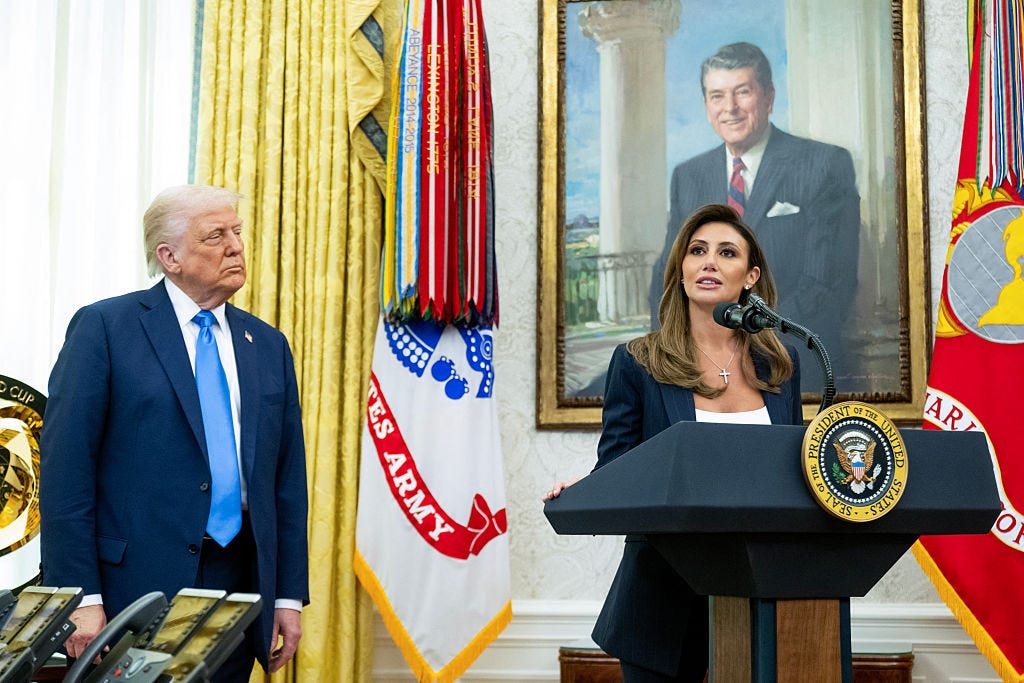
Believe it or not, President Trump is proving to be worse at lawfare than his Democratic opponents. In the last two weeks alone, two Trump-appointed federal prosecutors were disqualified from their positions: Alina Habba and Lindsey Halligan. These two share a trait common among Trump prosecutors: no prosecutorial experience. Now, the judicial hiccups caused by their disqualifications are delaying multiple hearings, including on drug- and gun-related charges. “For a man who calls himself ‘tough on crime,’ prosecuting actual criminals seems awfully low on the president’s list of priorities,” write our editors. Read our editorial on Trump’s latest lawfare efforts—and how they are backfiring before his very eyes. | | |
|
I Got Surgery to Restore My Hearing. I Regret It. |
|
|
|
 |
|
Richard Vigilante once thought his cochlear implants would be life-changing. Now he wonders if he is among the last people who will ever need them. Thanks to rapid advances in AI, the implants—and even sign language—may soon be relics of a bygone era. In his essay, Vigilante explores what the end of deafness could mean for the culture that once grew around it, now slowly slipping out of sight—and earshot. | | |
|
WATCH: Is Designing Babies Unethical—or a Moral Imperative? |
|
|
|
 |
|
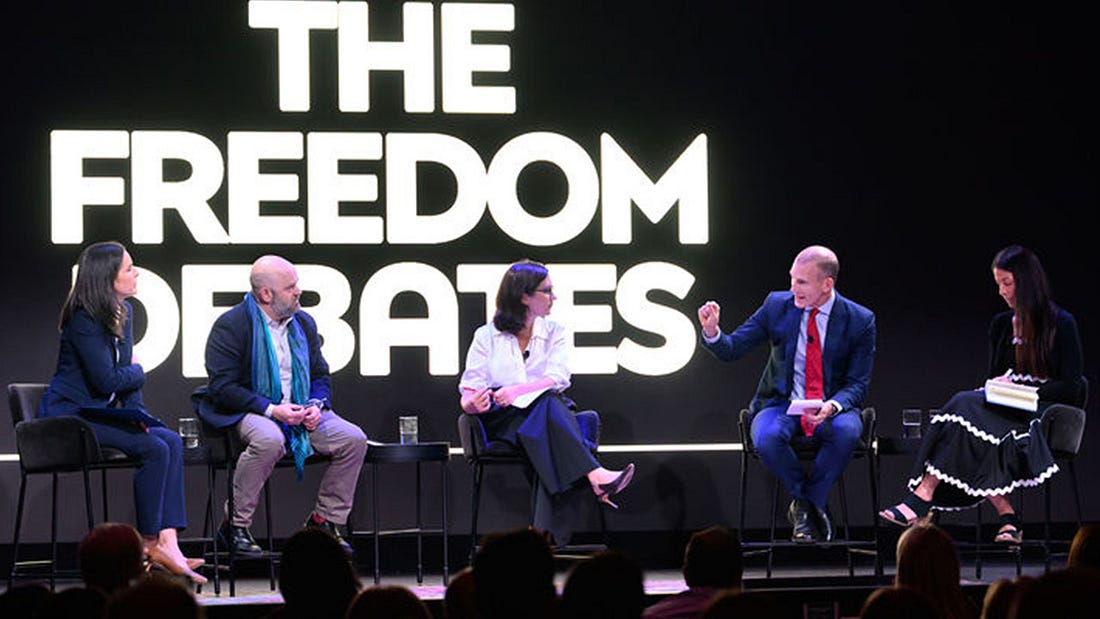
Should we use genetic engineering to spare our future children from devastating diseases, or does designing embryos push us toward neo-eugenics? In this debate moderated by Bari Weiss, four experts discuss whether editing embryos is a moral obligation or a Rubicon we must not cross. | | |
|



