Greetings from London!
We’re getting close to the end of 2025 and what a year it has been. For those of us who covered the car beat during Donald Trump’s first term as U.S. president, we knew it would be hectic. But aside from the usual on-again-off-again tariff threats from the world’s largest economy, we were left in no doubt about the power and leverage China has amassed by dominating key parts of the automotive supply chain – above all, rare earths. As traditional automakers nervously watch the global expansion of Chinese automakers in search of volume and profits outside their home market, they will undoubtedly spend much of 2026 looking at ways to compete on cost while also reducing dependence on China for vital components and materials. Auto File will be off for the next two weeks during the festive season and will return on Tuesday, January 6. So, if you are able to, please recharge your batteries and enjoy a restful new year because 2026 is going to be no less busy on the car beat. Which brings us to today’s Auto File… |
|
|
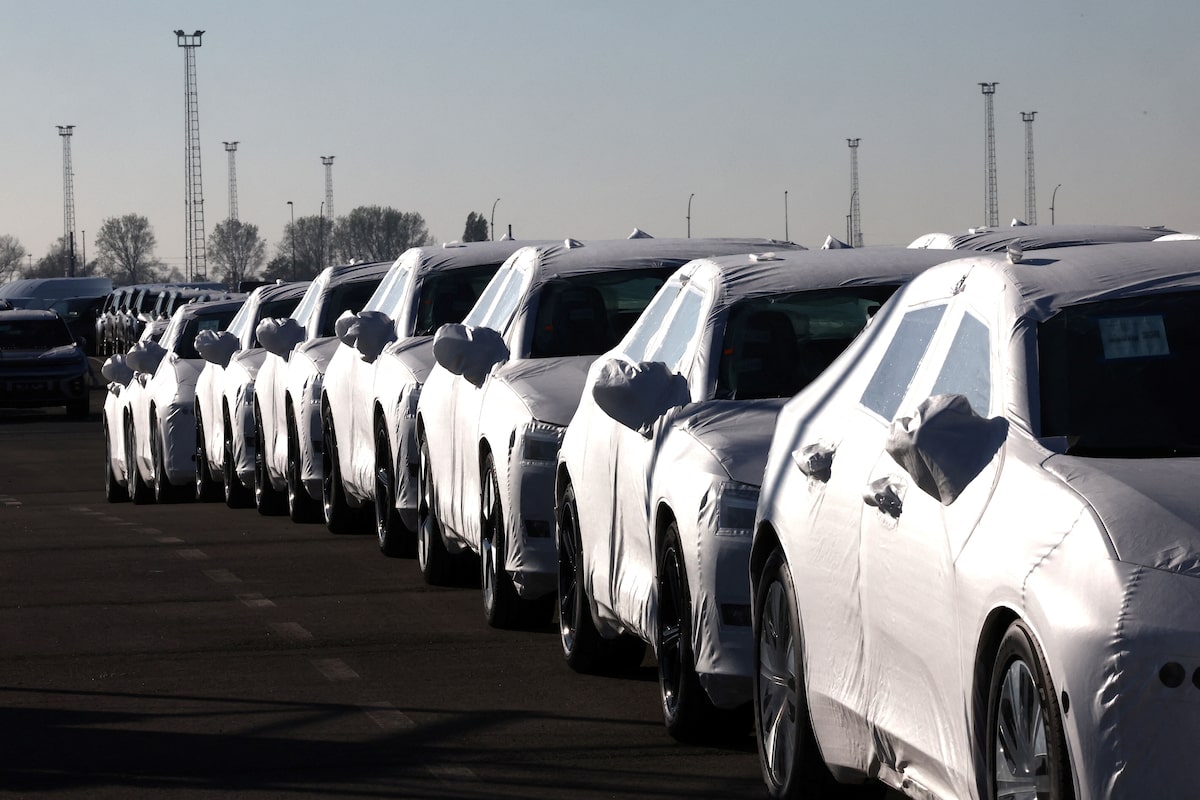
Europe changes new car strategy. Again. - REUTERS/Yves Herman. |
It has been obvious for some time that the European Union would have to compromise on its effective 2025 ban on combustion engine car sales, with a relentless drumbeat of criticism from the car industry and governments including Germany and Italy.
The climbdown proposed by the European Commission today means that by 2035, car CO2 emissions will have to be reduced by 90% from 2021 levels, instead of 100%. The Commission’s new proposal includes allowing plug-in hybrids, range extenders, mild hybrids, and internal combustion engine vehicles “to still play a role beyond 2035.” It will also provide “super credits” for small, affordable EVs made in the EU and allow individual member states to set targets for corporate fleets with tax benefits.
Experts say the proposal gives the car industry and various member state governments more flexibility to develop EVs to compete with the Chinese while also giving automakers flexibility to sell different types of vehicles to those not ready for the switch to electric.
It was the second time this year the Commission had backed off tough targets after giving the industry “breathing space” to comply with 2025 emissions targets over three years. |
|
|
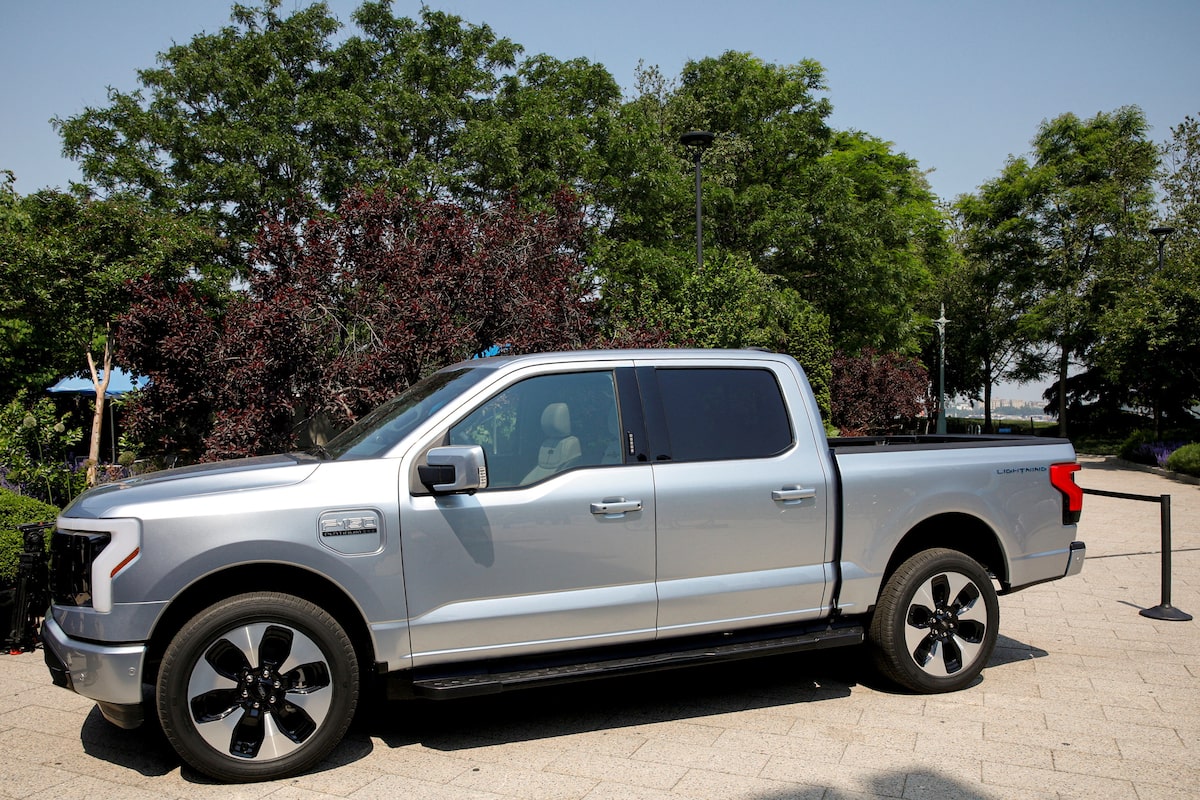
Bye bye, F-150 Lightning. REUTERS/Brendan McDermid. |
Ford bowed to the reality of the U.S. EV market under Trump, announcing it will take a $19.5 billion writedown and kill off several electric models.
The U.S. automaker will replace the fully electric F-150 Lightning with a new extended-range electric model that uses a gas-powered engine to recharge the battery. Ford will also scrap a next-generation electric truck and plans electric commercial vans.
Ford will pivot to gas and hybrid models, as EV demand fell following the expiry of a $7,500 federal tax credit for EVs. Trump’s tax and spending bill also froze fines for automakers who violated fuel-economy regulations. While the European Commission still favours EVs, the U.S. market has hit reverse.
This leaves U.S. automakers in a bind. They make huge amounts of cash from the pickup trucks and SUVs that U.S. consumers want today. But they also want to sell cars outside the U.S. market where they face rising competition from the Chinese, including EVs.
Last week, while announcing that Ford would make EVs for Europe with Renault, CEO Jim Farley told reporters that in South America and Southeast Asia, Ford competes with Chinese automakers “directly every day.” So, while U.S. automakers don’t have to worry about EVs for their home market, they still need to invest capital elsewhere to compete. |
|
|
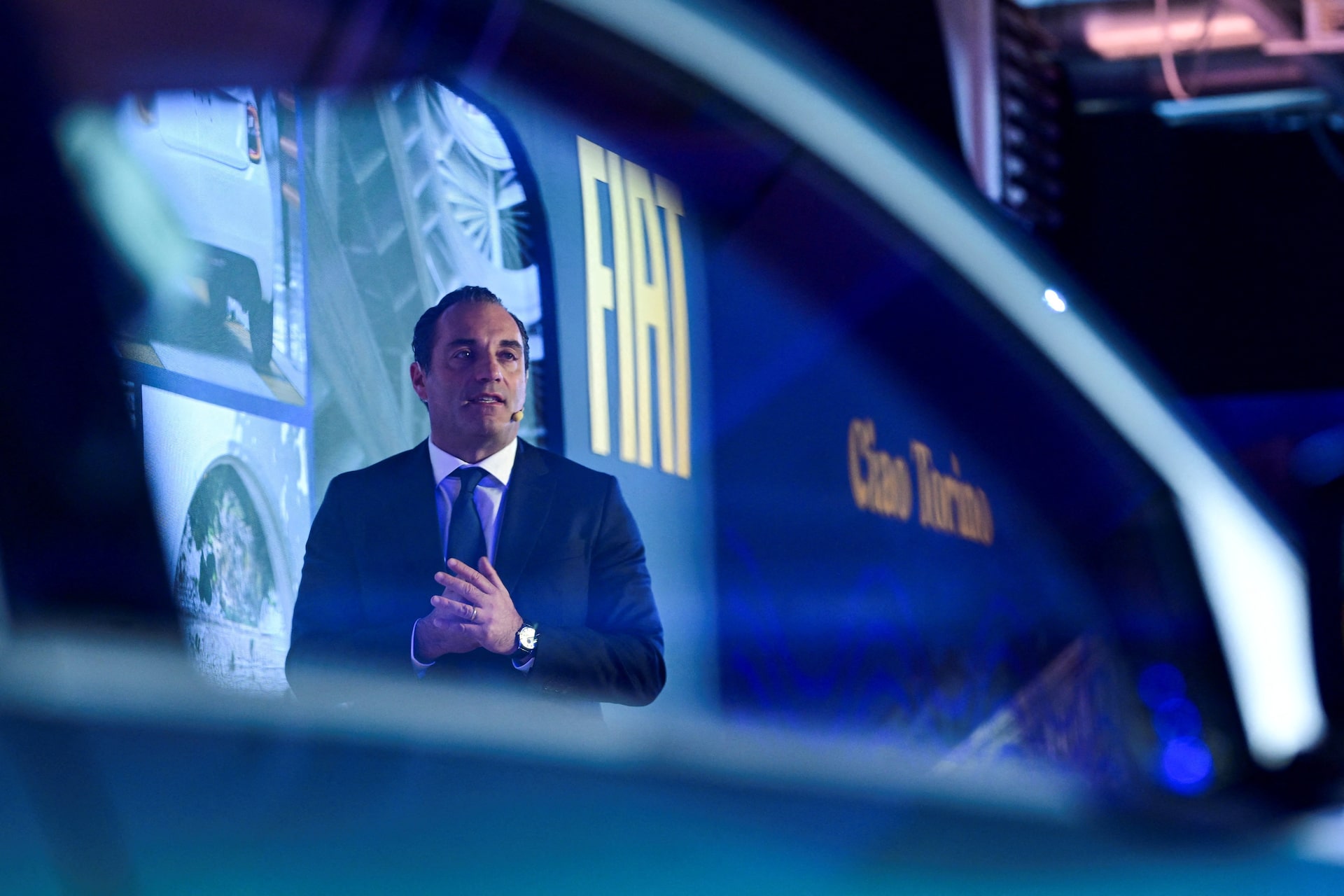
Dr. Filosa will see you now - REUTERS/Daniele Mascolo. |
Stellantis emergency room |
Stellantis’ ouster of former CEO Carlos Tavares around a year ago came after a disastrous showing in the U.S. market, the main profit driver for world’s No. 4 automaker. As my Reuters colleagues Giulio Piovaccari, Nora Eckert and Gilles Guillaume report, his successor Antonio Filosa has decided to prioritize market share over profit margins in the short term to rebuild confidence in the company and keep its factories busy. Read more about it here.
Filosa’s “emergency room” approach has the backing of major investors - the Agnelli family's Exor, the Peugeot family and the French government – and includes focusing on lower-margin fleet sales to move the metal and investing in more affordable models to entice U.S. customers back to the brand.
Longer term, Filosa will have to tackle an issue that Tavares refused to touch, for all his bold talk of a “Darwinian” period for the car industry – namely, deciding which of the automaker’s sprawling portfolio of 14 brands gets axed. |
|
|
Hongqi’s global expansion |
Long a stodgy brand known for being Chinese leader Mao Zedong’s favourite car, Hongqi has turned itself around.
As Reuters colleagues Qiaoyi Li and Kevin Krolicki report, Hongqi, which means Red Flag, went from selling fewer than 5,000 cars in 2017 to 412,000 last year. You can read more about it here.
The company has rejuvenated its image, focusing on EVs and hybrids for China’s hyper-competitive market. At the Shanghai auto show in April, Hongqi showcased a flying concept car as well as a "science-project" luxury vehicle with fully biodegradable materials for the interior, including carpet derived from seaweed and seat covers partially made from mushrooms. Now, Hongqi is expanding globally and targeting sales of one million cars. But outside China, the company will lose its homefield advantage of being the country’s national champion and still being the preferred car of Chinese officials including Xi Jingping. |
|
|
Tesla's board of directors has earned more than $3 billion through stock awards that far exceeded those given to peers at the biggest U.S. tech firms at the time they were paid, according to an analysis performed for Reuters by compensation and governance specialist Equilar.
Major automakers urged Washington to prevent Chinese government-backed vehicle and battery makers from opening U.S. manufacturing plants, warning the industry's future is at stake.
Mexico's lower house approved tariffs of up to 50% next year on imports from China and several other Asian countries, aiming to boost domestic production and address trade imbalances.
Shares of Rivian surged 18% after analysts issued bullish commentary on the electric pickup truck and SUV maker's efforts to develop a custom chip for self-driving features and its integration of artificial intelligence.
China’s Xpeng is in negotiations to partner with EP Manufacturing Bhd to mass produce EVs in Malaysia in 2026 as it ramps up global expansion.
Chinese rare-earth magnet suppliers to Fo |
|
|
|