Tuesday, December 23, 2025 |
|
|
|
Nnamdi Egwuonwu: Minnesota not-so nice
|
|
|
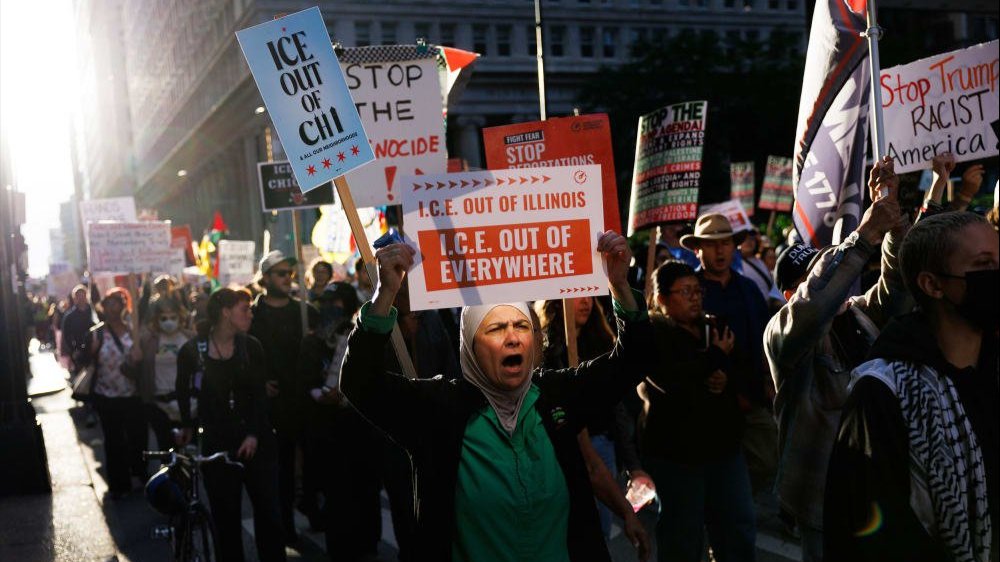
President Donald Trump’s rhetoric about Somali Americans and recent actions by Immigration and Customs Enforcement agents are creating a culture of fear in some Minneapolis neighborhoods, residents say.
In areas that were revitalized by Somali immigration, Minneapolis’ Lake Street corridor among them, businesses have reported a slowdown in activity as employees and customers alike remain fearful of crossing paths with federal personnel. U.S. citizens of Somali descent say they have become accustomed to carrying their passports at all times, particularly after ICE agents tackled and detained one Somali American and reportedly forced another to spend more than 24 hours in custody. Other Minneapolis residents have accused the agents of assaulting observers.
In a statement responding to allegations of wrongdoing, DHS spokesperson Tricia McLaughlin said, “ICE law enforcement officers have arrested more than 400 illegal aliens, including pedophiles, rapists and violent thugs” since the start of the Minnesota immigration enforcement operation. She accused Minnesota Gov. Tim Walz and Minneapolis Mayor Jacob Frey, who held a press conference with a Somali American briefly detained by ICE, of “demonizing our brave law enforcement.”
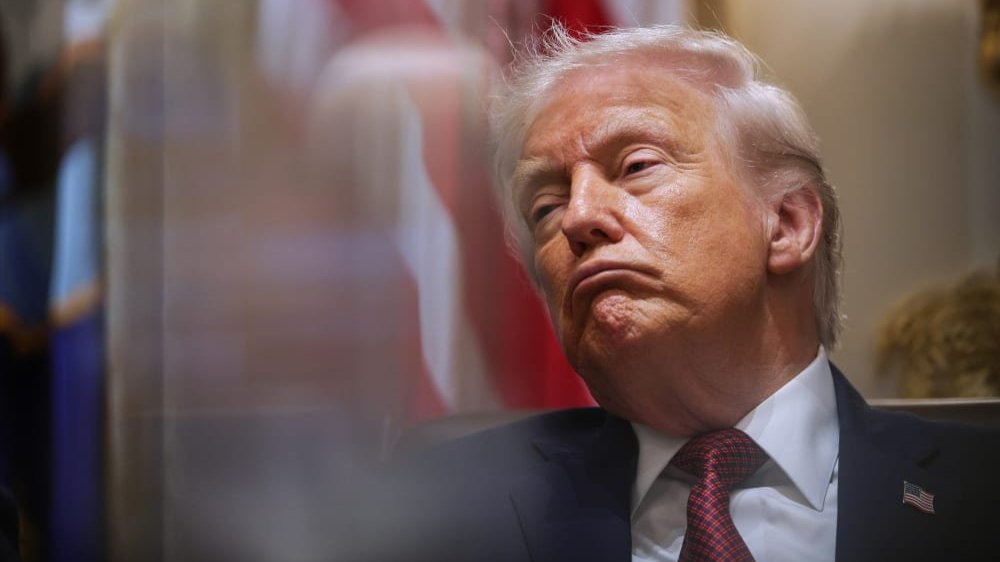
In recent weeks, Trump has targeted Somali Americans with an intense volley of vulgar attacks, deriding Somalia as a “s–––hole,” accusing Somali immigrants of forming gangs to “prey” on “wonderful people” and claiming Minnesota Somalis specifically “contribute nothing” to the country. Despite a study by economist Bruce Corrie that found Somali Minnesotans earn at least $500 million in income annually and pay about $67 million in state and local taxes, Trump said during a rally in Pennsylvania this month that he doesn’t “want them in the country.”
Read Nnamdi Egwuonwu’s full analysis here. |
|
|
Do you think Congress will approve tariff rebate checks? |
|
|
|
Kevin Hassett, a top economics adviser to Trump, has recently floated the idea of sending Americans $2,000 tariff rebate checks, noting that Congress would need to approve them. |
|
|
Here are some highlights of the president’s actions over the last seven days: |
-
Claimed, falsely, that $1,776 payments to military service members would be funded through tariffs
|
-
Installed plaques beneath the photos of his predecessors in the White House, bashing Joe Biden and Barack Obama
|
-
Ramped up pressure on Venezuela, announcing a blockade of “sanctioned oil tankers” leaving the country
|
|
|
The news can feel overwhelming. But each week, we pause to highlight a person, organization or movement sticking up for their principles or their fellow Americans. This week’s challenger is Pope Leo XIV.
The archdiocese of New York is one of the most influential in the United States. With the first American pope in Vatican history, it’s even more scrutinized. So Pope Leo XIV’s decision to appoint Bishop Ronald Hicks as the next archbishop of New York is significant. In November, Hicks released a statement of support for immigration that “affirms our solidarity with all our brothers and sisters.” The statement backed a “special message” from the U.S. Conference of Catholic Bishops that criticized the “indiscriminate mass deportation of people” and the “vilification of immigrants” in current rhetoric. To be sure, Hicks was not appointed just because of his views on immigration, but the appointment can be seen as affirmation of them.
|
|
|
For the end of the year, something a little different. My letter of the year: “K,” as in the K-shaped economy we’re in right now, where the well-off are getting better while lower-income families struggle to get by. According to Moody’s Analytics, the top 10% of families are responsible for nearly half of all spending, and the top 20%, or those making more than $192,000 a year, account for almost two-thirds. Meanwhile, the bottom 60% are just trying to keep up with inflation. Since the pandemic, Moody’s calculated that health care prices are up 16%; childcare, 18%; and groceries and rent, 28%. With people so worried about their personal finances, it’s little wonder consumer sentiment is near record lows. The affordability crisis didn’t start under the Trump administration, but he’s in charge now, and increasingly voters, even his own supporters, disapprove of the job he’s doing. There are many reasons 2026 could be a good year for the economy, from tax cuts to the continuing artificial intelligence boom propelling a stock market surge. We all want the economy to grow, but we also want everyone to benefit as well.
|
|
|
|
— Stephanie Ruhle, host of “The 11th Hour”
|
| |
|