|
|
|
|
|

|
Suzy Freeman-Greene
Books + Ideas Editor
|
|
I’ve been thinking this year about the role of literature in a time of AI slop: its power to unnerve and surprise. A writer’s original voice, their mastery of tone and language to create indelible characters and worlds, is the antithesis of AI pap. As tech titans plunder the written word to train AI models, we need the wild, untethered visions of novelists and poets more than ever. I loved Kevin Brophy’s essay on rereading Fyodor
Dostoevsky’s classic novel, Crime and Punishment because he captures the feeling of being immersed in a unique and powerful story, which might speak to something dark within ourselves. And Jen Webb’s essay on a contemporary classic, English author Max Porter’s Grief is the Thing With Feathers, shows how this inventive, genre-defying work movingly articulates the pain of
loss. 1 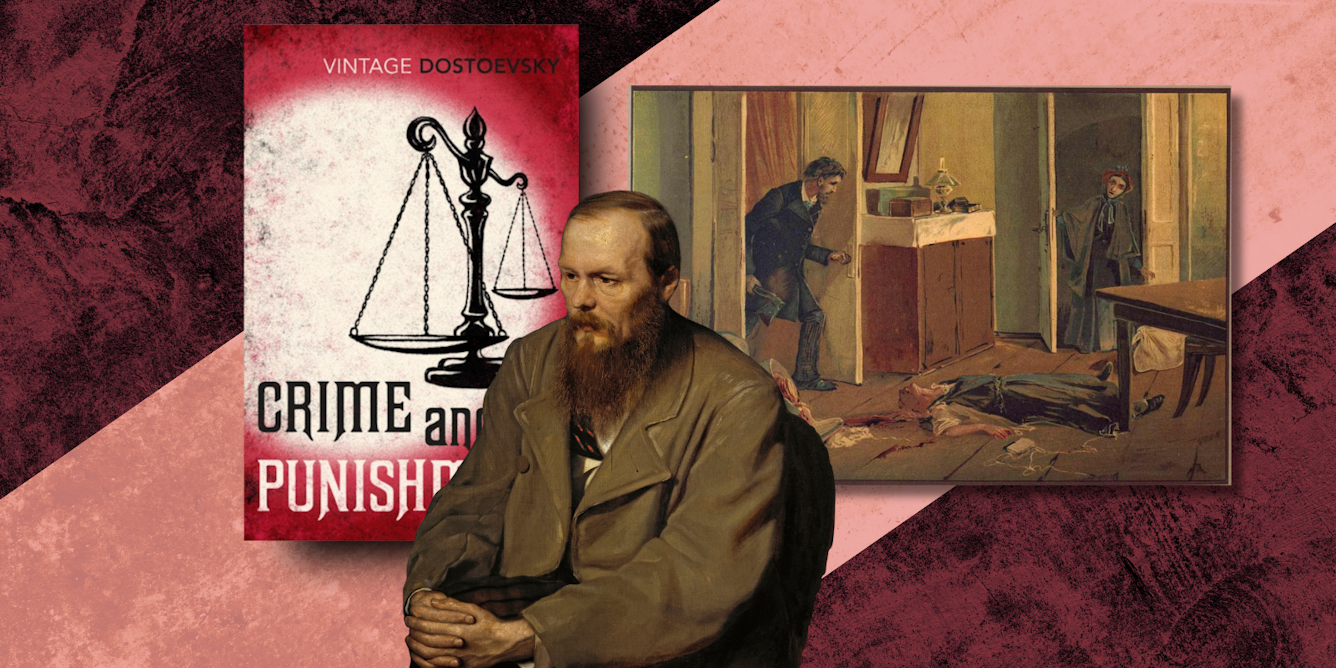 Kevin John Brophy, Emeritus Professor of Creative Writing, The University of Melbourne Revisiting Fyodor Dostoevsky's compelling, original and scandalous
novel – after a 60-year hiatus – is a profoundly affecting experience. Jo
Case Senior Deputy Books + Ideas Editor This year, I recognise the world less: it’s moving too fast, and sometimes I want to get off. My 2025 mood veered between a compulsion to look at the world’s horrors head-on (and have uncomfortable conversations about how to meet its many challenges), and a longing for a comforting bolthole. In the first mood, I treasured Juliet Rogers’ wise, compassionate consideration of testimonies of Gaza and October 7, and her ability to sit with devastating complexity. In the second mood, I was soothed by Carol Lefevre’s prescription for respite and healing through beauty. And all year long, I enjoyed the welcome relief of immersing
myself in music, literature and film – and writing that reminds us why we love them. Art can gift us both engagement and
escape. 1  Juliet Rogers, Associate Professor Criminology, The University of Melbourne Survivor testimonies hope for understanding, empathy – and change.
From the Yoorrook Commission to Gaza and Israel, they build a case for justice in a shared future. James Ley Deputy Books + Ideas Editor Literature, history and philosophy compel us to think in two essential ways. One is to invite reflection on the broad conditions of existence, whether social, conceptual or political. The other is more immediate and personal. The best essays often draw attention to the connections and disconnections between these two levels. As Chris Fleming suggests in his witty essay on Max Weber, many assumptions about our everyday lives remain unexamined because they become so pervasive they seem invisible. Shame, as Dan Dixon writes, is an emotion that bears thinking about precisely because of its social nature. One of the things I particularly liked about Matthew Taft’s reading of Kazuo Ishiguro’s Never Let Me Go was the way he showed how the novel plays with our sympathies in the service of a deeper realisation. 1  Chris Fleming, Associate Professor in the School of Humanities and Communication Arts, Western Sydney University The Protestant Ethic and the Spirit of Capitalism is neither a history of economics, nor a religious history. It borrows from both, but is stranger than either. Also in the news |
Politics + Society
|
-
Justin Bergman, The Conversation
How would-be autocrats manufacture a crisis to portray themselves as a saviour and expand their powers.
-
Justin Bergman, The Conversation
And why are these loyal figures behind the scenes so vital to a would-be autocrat?
-
Ray Nickson, University of Newcastle
The century-old story of Sydney’s Nippon Baseball Club offers insights into the lives of Asian migrants during the White Australia policy.
-
Dan Jerker B. Svantesson, Bond University
Beer’s entanglement with law dates back to ancient times, and continues today. Hops into it.
|
|
Health + Medicine
|
-
Timothy Byron, University of Wollongong
Most people experience earworms at least weekly, especially if you listen to a lot of music.
|
|
Business + Economy
|
-
Rhys Ashby, Swinburne University of Technology
The social rules around money have struggled to keep pace with technology. But there’s a surprising way to rethink how you split bills that can make you feel better.
|
|
Science + Technology
|
-
Milad Haghani, The University of Melbourne
A very small advantage, a very large bankroll, and infinite patience.
|
|
Arts + Culture
|
-
Morteza Hajizadeh, University of Auckland, Waipapa Taumata Rau
Persian and other Islamic literature celebrated male homoerotic love as a form of divine longing – until Western moral codes entered the region.
-
Konstantine Panegyres, The University of Western Australia
The ancient Greeks had a reputation for holding wild parties. But that’s not the only way to party like an ancient Greek.
|
|
| |
|
|
|
|
Featured Events, Courses & Podcasts
|
View all
|
|
|
| | |


