Lumina Foundation is working to increase the share of adults in the U.S. labor force with college degrees or other credentials of value leading to economic prosperity.
The Trump administration’s attack on higher education has included cuts to federal research funding, legal battles with the nation’s top universities, and executive orders directing universities to stop supporting diversity initiatives and ordering them to provide demographic data about their students. While college applications are private, the moves have created a sense of unease and distrust among students.
In interviews with dozens of high school seniors applying to college this fall, many said they were worried that sharing personal information—especially their race, gender, and immigration status—could hurt them.
The Pell Grant program for low-income college students is designed for a tidy academic world of 15-week semesters, credit hours, and degrees that move at a campus pace. But millions of Americans live in a different place, where the question isn’t “What’s your major?” but “Can I become trained fast enough to start earning before the rent is due?”
Workforce Pell, which allows low-income students to use Pell Grants for short-term, job-focused training as well as college, is Washington’s answer. Now the real work begins for governors, workforce boards, state data leaders, and providers to demonstrate that their programs lead to real jobs and higher pay.
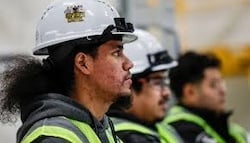
When Fausto Lopez started skipping class in middle school, his grades slipped, but he still managed to pass science class. Years later, when asked about which college courses he might be interested in, he reflected on that experience. Lopez liked biology, but it wasn’t an option because he was attending school from inside a juvenile facility.
Fast forward to today, and Lopez is a biology major at California State University, San Bernardino, where he just completed his first year of studies. His journey to higher education has taken him from Riverside County juvenile facilities to a fire camp in Amador County and back to Los Angeles to fight fires before finally moving into his college dorm.
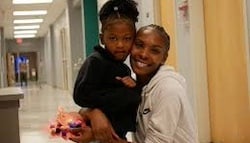
Community college students are often balancing lives and responsibilities outside of school—from work to family obligations. For students with young children, the struggle to find and afford child care can make a tricky balance close to impossible.
Several colleges in North Carolina are finding ways to lessen the burden of child care challenges for their students and communities by providing on-campus child care, utilizing the state's child care grant program, and expanding the early childhood workforce, including through child care academies. State leaders are now calling for more colleges to follow suit.
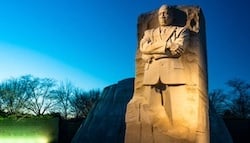
IU Indianapolis canceled its annual dinner honoring the Rev. Martin Luther King, Jr. after hosting the event for nearly 60 years, according to a letter the university’s Black Student Union shared on Instagram. The event is generally held around MLK Day in January of each year and is a collaboration between the university and the Black Student Union. In the letter, the student group’s executive board expressed concern that the cancellation was related to anti-DEI political pressures.
The student group plans to push back against the university’s decision and look for ways to continue the event with community support.
A new survey from the State Higher Education Executive Officers Association shows economic and workforce development as a top policy priority for higher education leaders in 2026, with nearly all respondents calling the issue critically important amid federal policy changes and budget pressures.
College affordability surged to second place as states grapple with student concerns about costs despite steady increases in state funding. The dramatic rise in importance reflects widespread legislative action, with at least 20 states considering legislation in 2025 to create or expand statewide promise programs offering free college.