It’s Monday, January 19. This is The Front Page, your daily window into the world of The Free Press—and our take on the world at large. Today, the United States honors Martin Luther King Jr. Read King’s Pulitzer Prize–winning biographer Jonathan Eig in our pages, on the last speech the great American ever gave:
Coming up: Haviv Rettig Gur on how to help Iran. Can prediction markets be tamed? The Oscar short-listed period drama that writes Jews out of the story. Jed Rubenfeld on the reported Justice Department investigation into Tim Walz. And much more.
But first: Donald Trump ups the ante over Greenland.
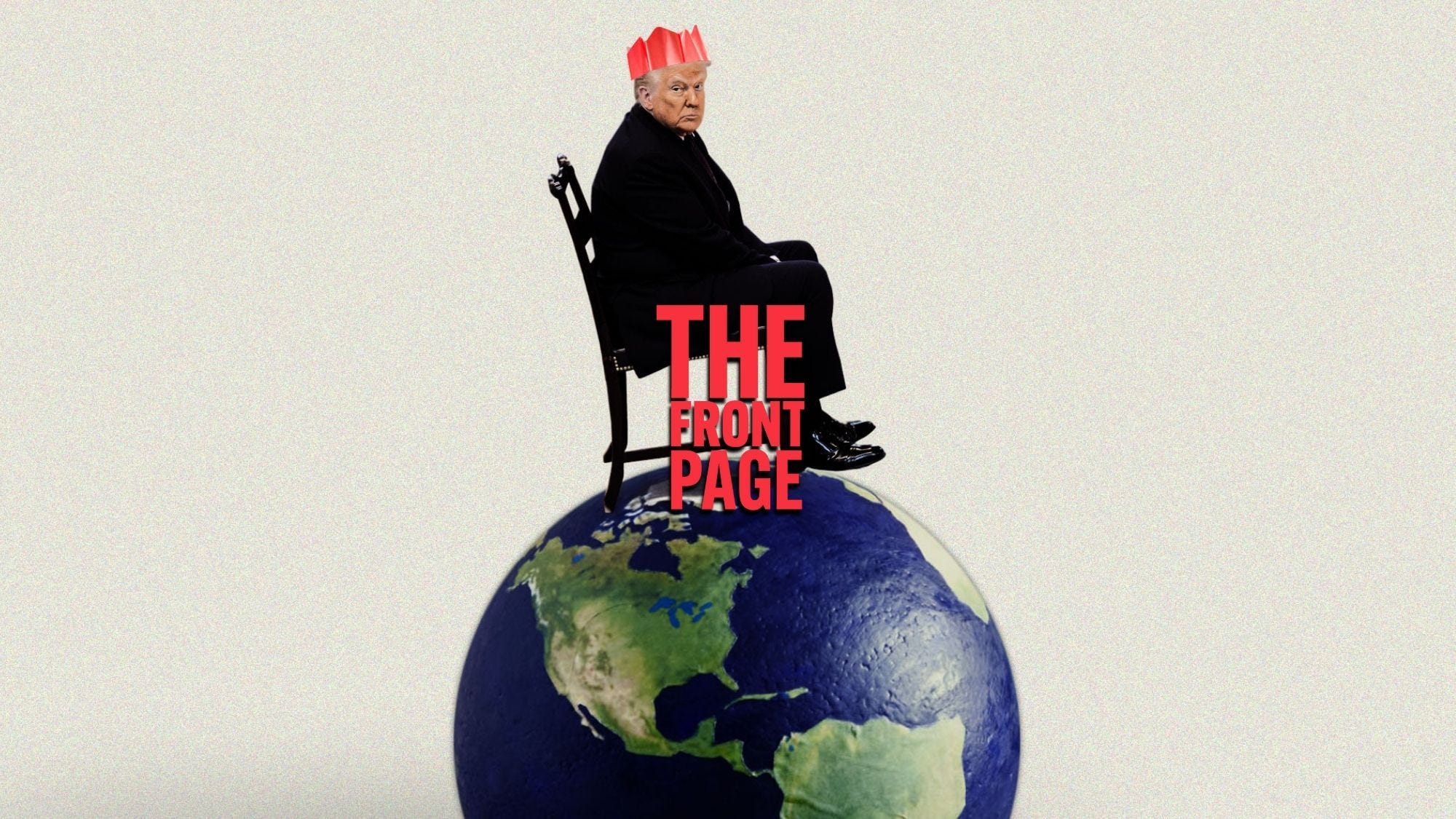
“It is time for Denmark to give back—World peace is at stake!” So said the president of the United States in a post on Truth Social over the weekend.
The claim was part of a significant escalation in the president’s push to acquire Greenland. On Saturday, Trump demanded a deal to buy Greenland, and said he would impose 10 percent tariffs on all imports from Denmark, Finland, Norway, Sweden, the UK, France, and Germany on February 1. Those tariffs will increase to 25 percent on June 1 and remain until a deal for the “complete and total purchase” of Greenland, Trump said.
On Sunday, European leaders were weighing how to respond, considering hitting the U.S. with tariffs worth $93 billion.
A European freak-out over comments from Donald Trump isn’t necessarily anything to write home about. But this time is a little different. We explain why in our editorial. Read about Trump’s geopolitical petulance, and why it risks undermining his foreign policy achievements.
—The Editors
Are Insiders Making a Killing on Polymarket? |
|
|
|
 |
|
On January 3, U.S. troops landed in Venezuela’s capital and captured Nicolás Maduro in the dead of night. It was a daring operation that shocked almost everyone in the world; everyone, that is, except for one online bettor, who made nearly half a million dollars predicting the raid before vanishing into thin air. Maya Sulkin reports on the shady world of prediction markets, and reveals how insiders may be tipping the scales on global events. | | |
|
Trump Declares a Legal War on Sanctuary Cities |
|
|
|
 |
|
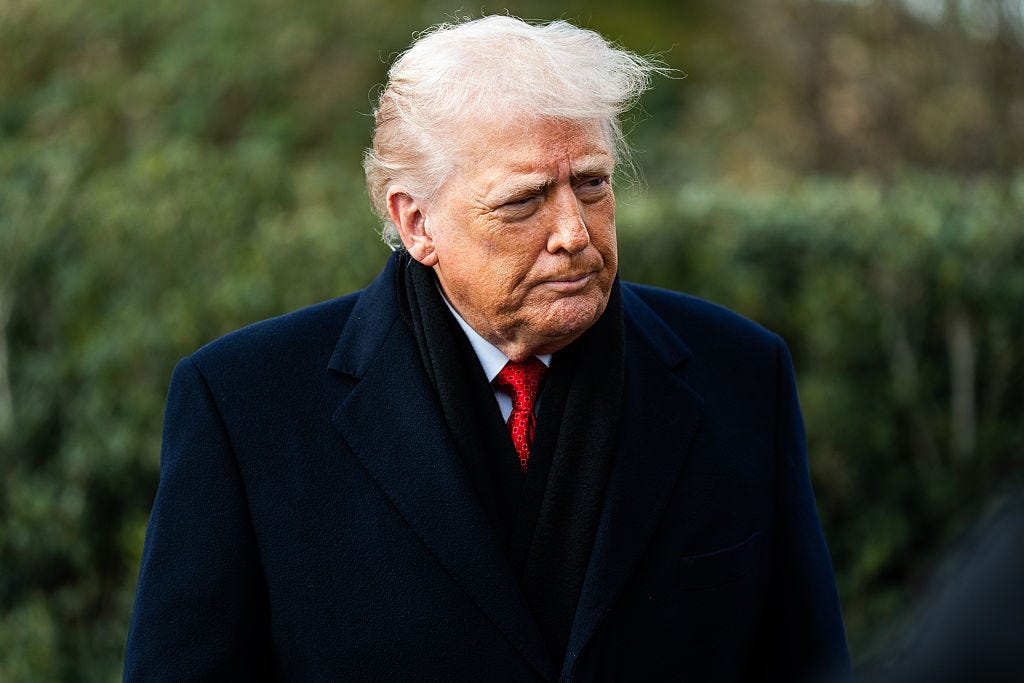
The Justice Department has reportedly launched an investigation into Minnesota governor Tim Walz and Minneapolis mayor Jacob Frey for allegedly conspiring to impede immigration officers. If the reports are true, those allegations will bring the war over “sanctuary” policies to center stage. Jed Rubenfeld tells you all you need to know about the controversial policies, and where the law stands. | | |
|
Is a Country Rising or Falling? Watch Its Currency. |
|
|
|
 |
|
We’re only a few weeks into 2026, and already conflict is spreading across the globe. How to make sense of a disordered world? Look at currencies for clues, says Tyler Cowen. Read his latest column to understand what the collapse of the Iranian rial, the fall of the yen, and the strength of the dollar can tell you about the world. | | |
|
The Iranian Regime Is Stronger Than We Think |
|
|
|
 |
|
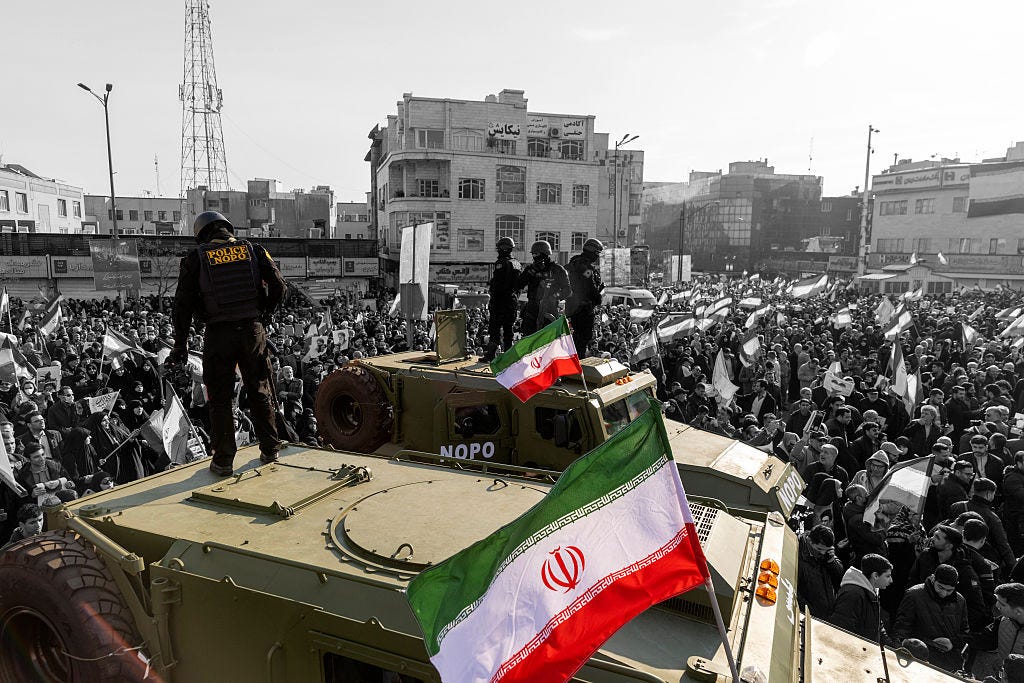
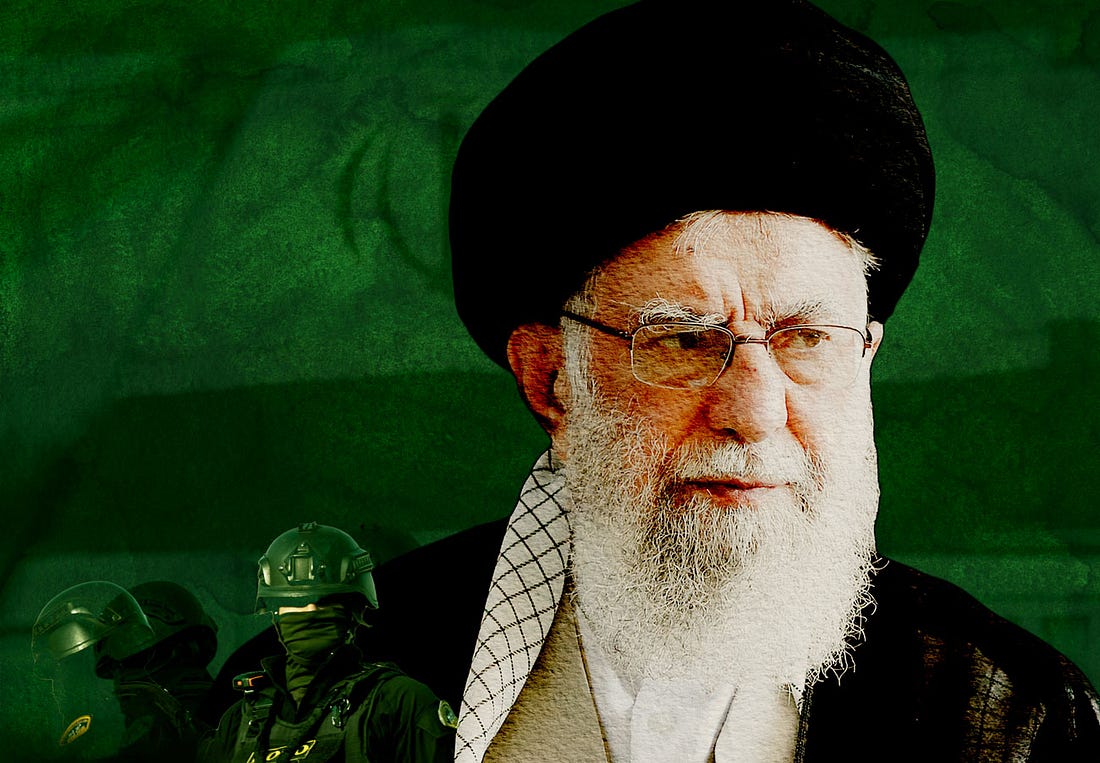
After weeks of mass protest, the Iranian regime has slaughtered thousands of innocent people, blacked out the country’s internet, and defied the threats of the Western world to cling on to power. Has the West misunderstood the Islamic Republic? And what can be done to help the Iranian people? Haviv Rettig Gur answers both questions in his column today. | | |
|
The Bad Law Behind the FBI’s Raid on a Reporter |
|
|
|
 |
|
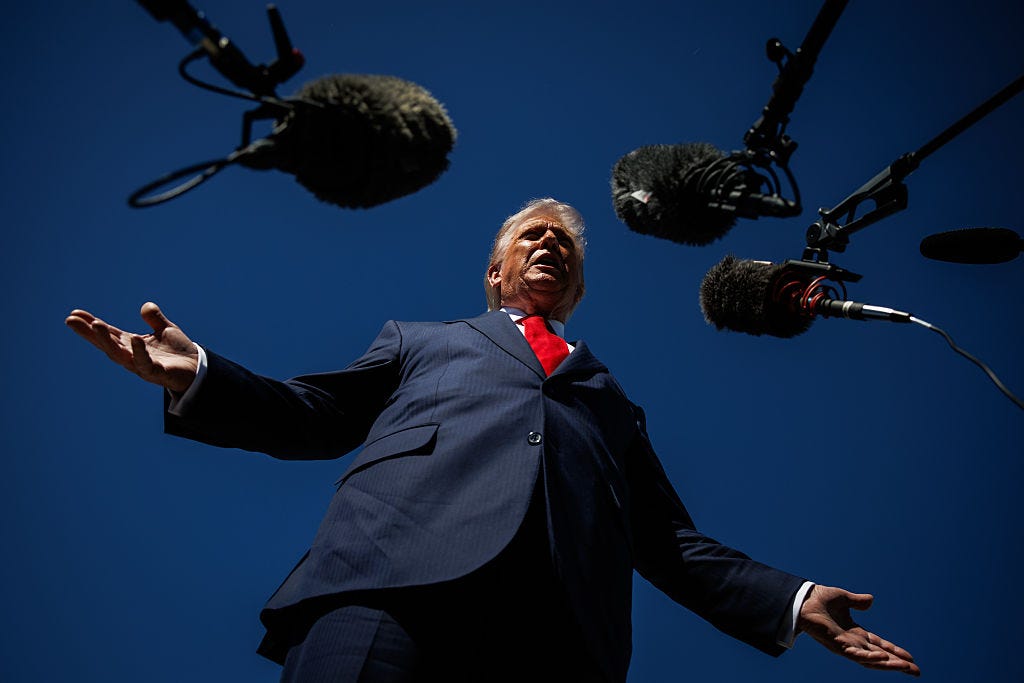
Last week, the FBI raided the home of Washington Post reporter Hannah Natanson, seizing her computers and more. Eli Lake explains why a little-known piece of legislation leaves journalists like her vulnerable to the whims of the administration. | | |
|
The Bad History of ‘Palestine 36’ |
|
|
|
 |
|
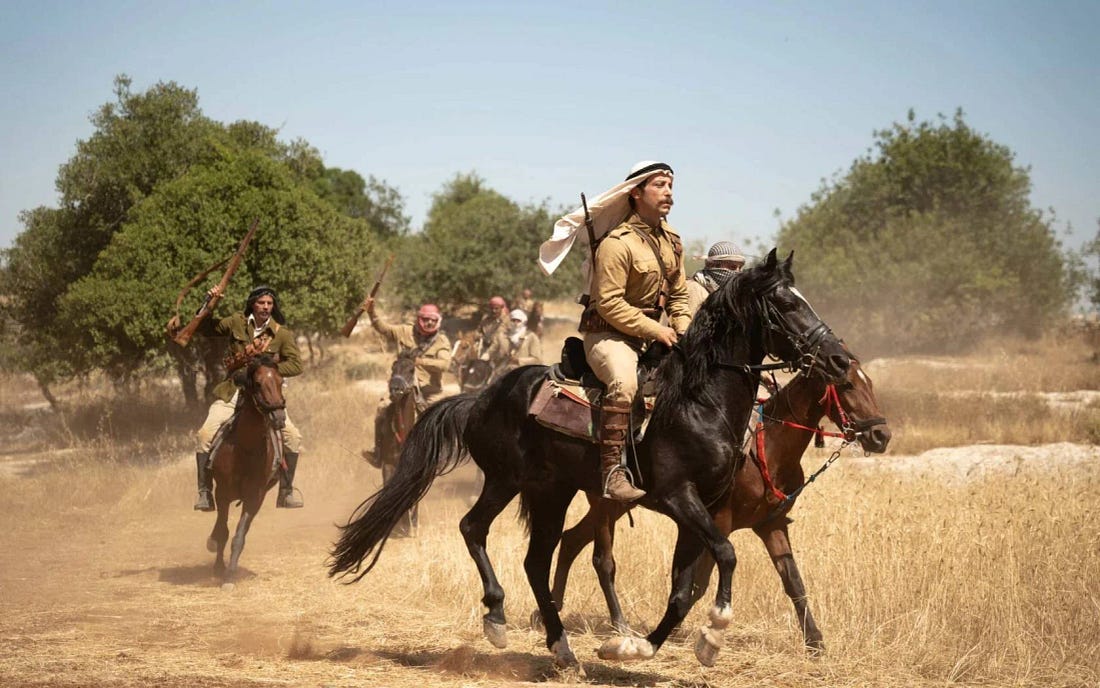
In 2023, shortly before Hamas’s invasion of Israel, Oren Kessler published Palestine 1936—a masterful work that shed light on the origins and history of an old conflict. Now, a movie that tackles the same chapter in the history of the region is short-listed for an Oscar. The only problem? It isn’t history, but a political fantasy. Oren breaks down the many problems with Palestine 36. | | |
|