| | Trump invites Xi, Putin to Gaza peace board, Davos shifts to the populist right, Chevron holds off o͏ ͏ ͏ ͏ ͏ ͏ |
| |  | Flagship |  |
| |
|
The World Today | 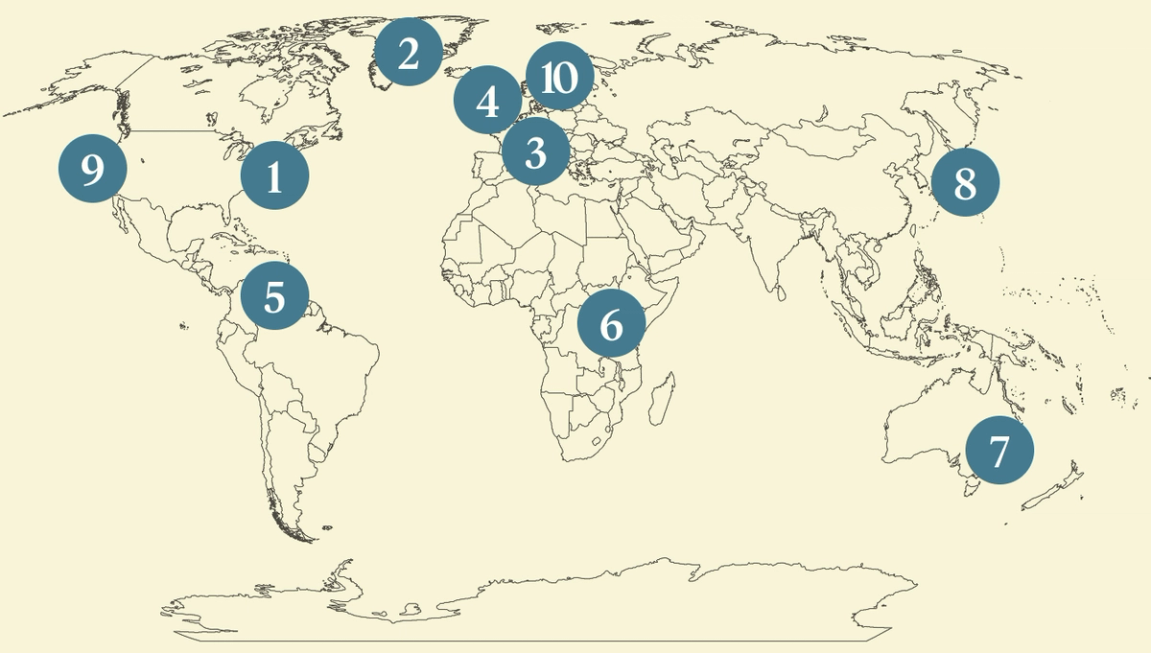 - Putin’s peace board invite
- Trump hosts Greenland talks
- Davos’ populist shift
- Women lead migrant debate
- Chevron wary on Venezuela
- Aid and trade for Africa
- US, Aus rethink gun laws
- Japan’s shifting tourism
- Netflix’s two-screen issue
- Sweden bans AI tune
 Dolly Parton re-releases a classic for her 80th birthday. |
|
Trump invites Xi, Putin to peace board |
 Kevin Lamarque/Reuters Kevin Lamarque/ReutersUS President Donald Trump asked Chinese leader Xi Jinping and Russian President Vladimir Putin to sit on his “Board of Peace,” set up to mediate Gaza. Washington has invited dozens of world leaders to the board; each must pay more than $1 billion for a permanent spot. Trump, who will chair, will have veto power over all decisions. Which leaders have responded positively is not yet known, but the White House is seemingly keen to use it as a geopolitical tool: French President Emmanuel Macron will reportedly decline, and Trump threatened in response to “put a 200% tariff on his wines and champagnes, and he’ll join.” |
|
Trump to hold Greenland talks |
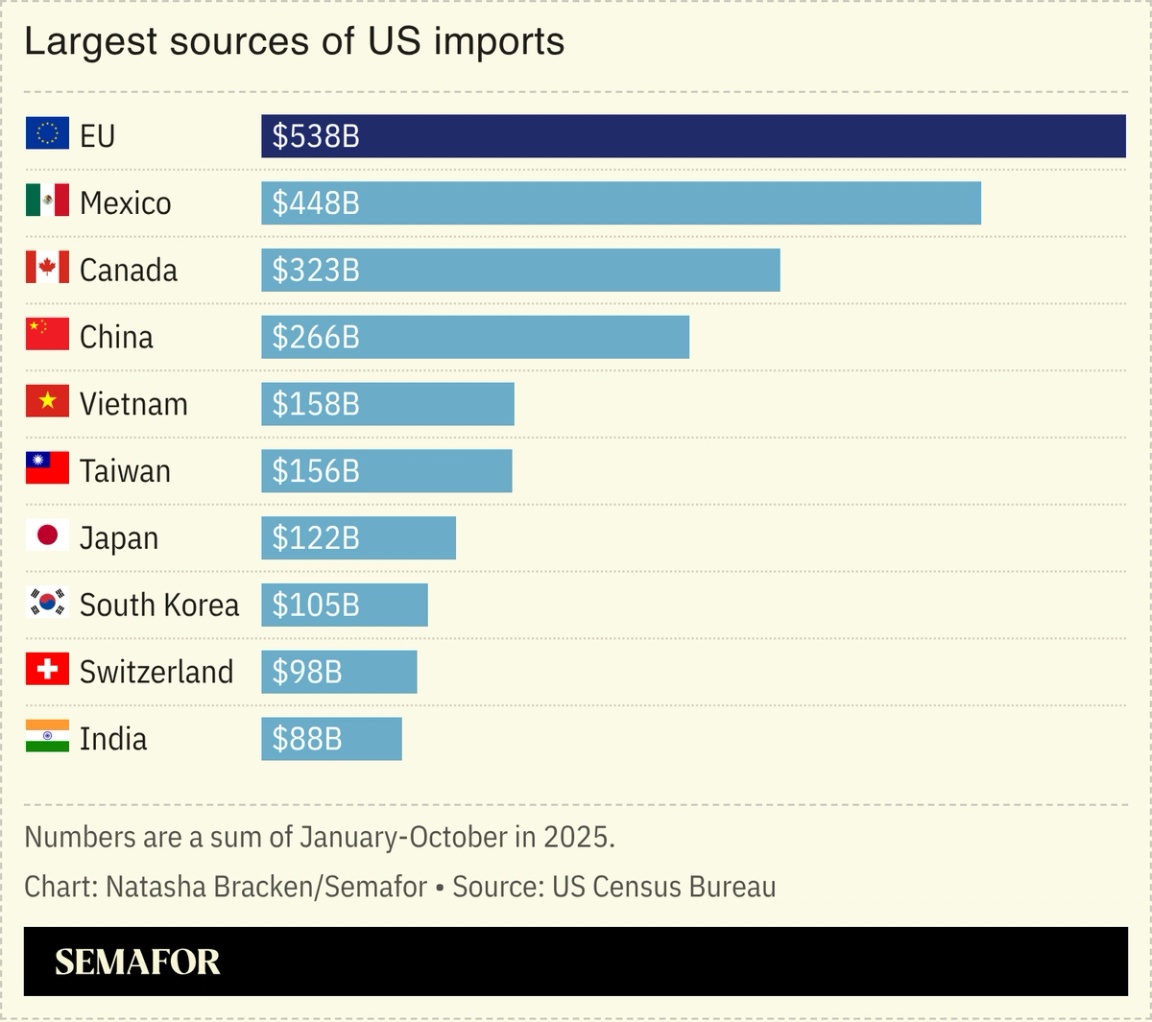 US President Donald Trump will host a Greenland meeting at Davos as tensions with Europe grow, but reiterated that seizure of the Danish territory is “imperative.” European countries remain alarmed, and leaders will gather in Brussels this week to agree a response. Some, such as France, are willing to escalate, while others, including the UK, are arguing for restraint, rather than risking “damaging Europe’s relationship with the United States beyond repair,” The New York Times reported. One US official told the Financial Times the Greenland move was “American chauvinism… We’re done apologising about that.” But a trade war could hurt Washington, too, The Wall Street Journal said. Europe is the US’ biggest trading partner, and tit-for-tat tariffs could slow American growth. |
|
 Denis Balibouse/Reuters Denis Balibouse/ReutersThe World Economic Forum has changed tone, with the populist right who kicked against its strictures now the establishment, Semafor’s editor-in-chief wrote. Until recently, “the only people having any fun here in Davos were the right-wing provocateurs,” wrote Ben Smith, but now the gathering itself has jumped on their bandwagon. Progressive language is gone; fossil fuels are back. President Donald Trump is bringing the largest ever US delegation to Davos, there to “schmooze, make deals, and deepen ties with Gulf monarchies,” like everyone else. One far-right YouTuber told Smith “it was more fun when we were the opposition,” and the populist shoe may be on the other foot: California Governor Gavin Newsom is coming, ready to denounce Trump’s “crony capitalism.” |
|
‘Pink Ladies’ lead UK migrant debate |
 Maja Smiejkowska/Reuters Maja Smiejkowska/ReutersA group of pink-clad women is campaigning against sexual violence by immigrants in southeastern England, a sign of how UK opposition to migration has become an increasingly female-led movement. The “Pink Ladies,” formed after riots over sexual assaults by an asylum seeker, are seeking to shift the debate onto women’s safety. Data on asylum seekers’ crime is lacking, although sexual crime in the Pink Ladies’ heartland increased 35% in a year. Women generally vote more progressively than men, but that may be changing: The populist Reform UK party has a more female supporter base than the ruling Labour Party, and women are more likely than men to think immigrants have a negative effect on crime levels, The New Statesman noted. |
|
Chevron cautious on Venezuela |
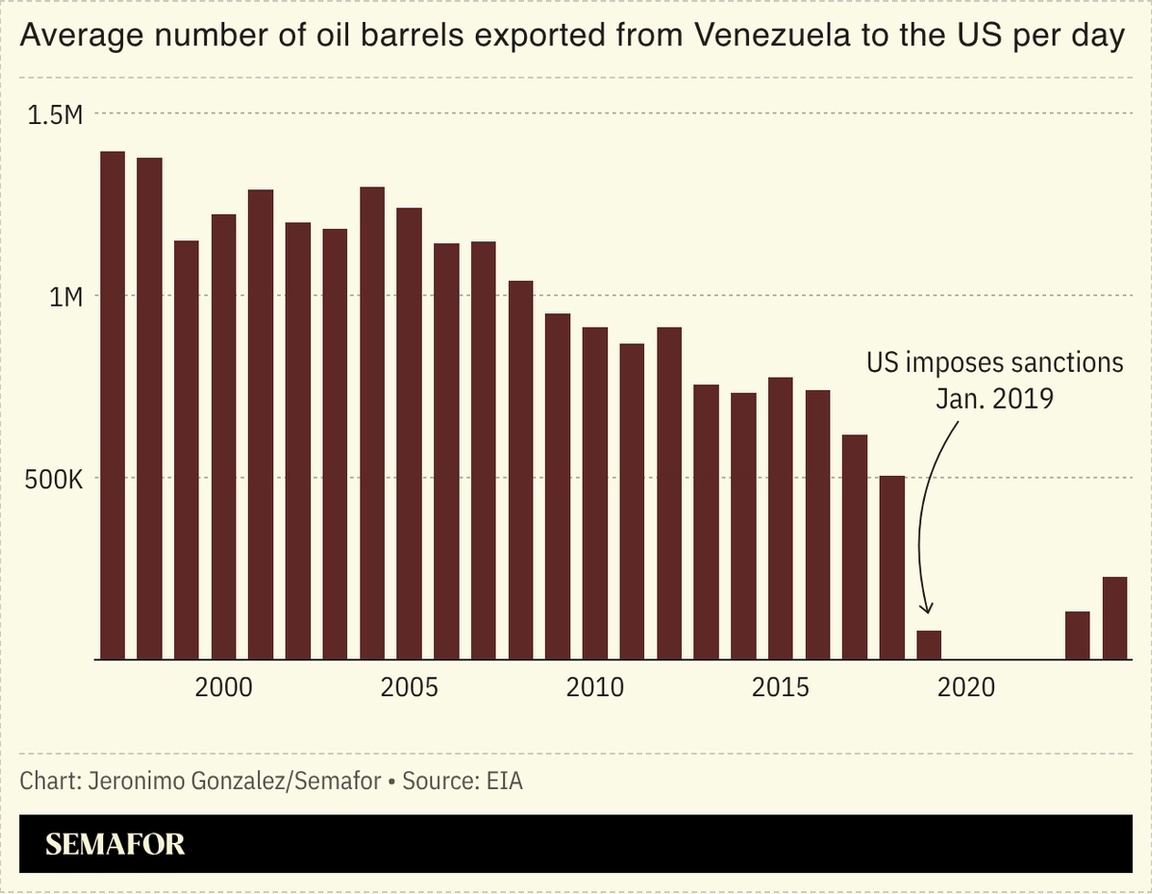 Chevron remains wary of investing in Venezuela, citing concerns of instability in the Latin American nation and declining global oil prices, resisting pressure from Washington to commit funds. Since ousting former Venezuelan leader Nicolás Maduro this month, US President Donald Trump has pressured global oil firms to invest as much as $100 billion in Venezuela, which holds the world’s largest crude reserves. However, experts have warned that it could take years to rebuild Caracas’ dilapidated oil industry, while the head of Exxon believes the country remains “uninvestable.” Nonetheless, several oil firms are keen on doing business in Venezuela and are awaiting Washington’s approval, Semafor’s US political team reported. |
|
Rethinking African aid and trade |
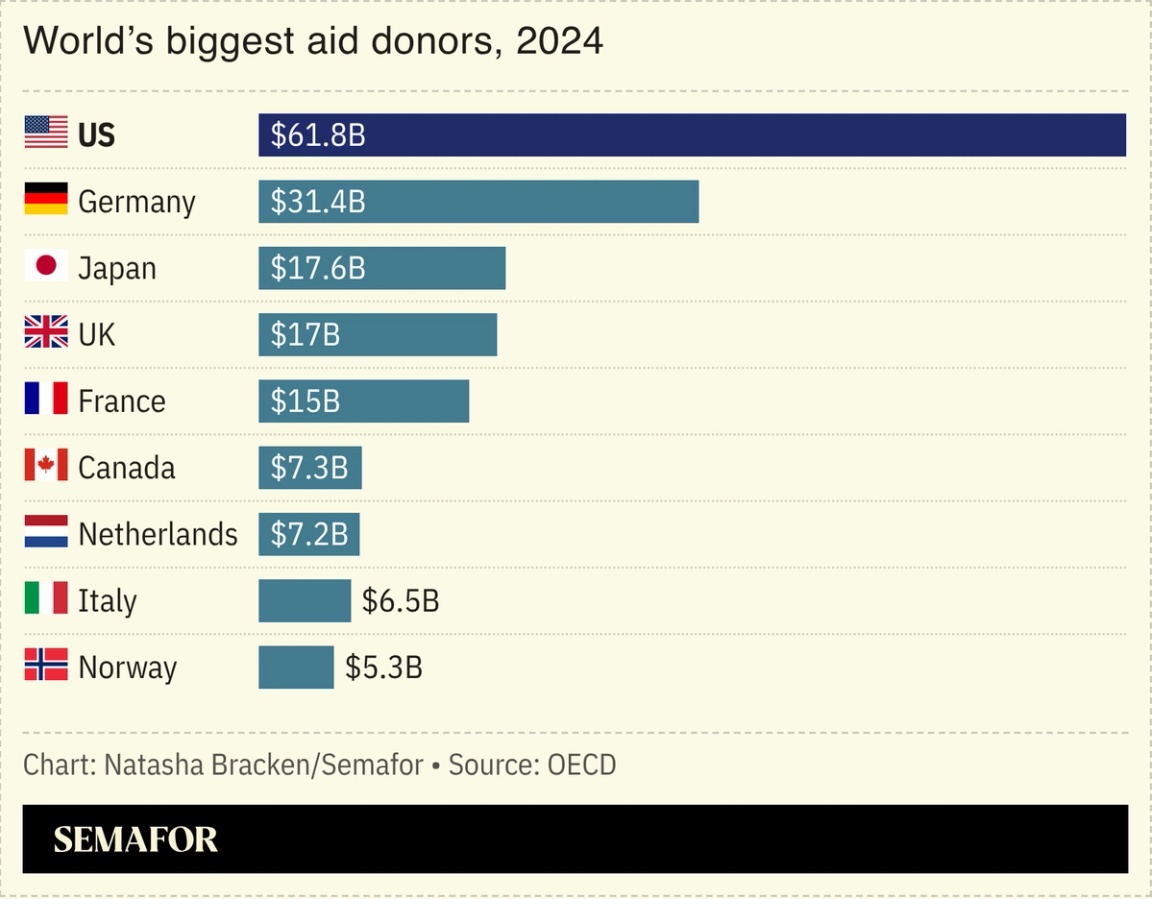 Washington’s Africa strategy should focus on trade and aid, a former USAID official argued in a Semafor column, as the White House overhauls its engagement with the continent. Since the start of his second term, US President Donald Trump has slashed African aid, a sizable share of income for many countries, pursuing instead a trade strategy aimed at accessing Africa’s valuable mineral resources. While this approach recognizes that “Africa’s growth depends on private capital, not perpetual aid,” it mistakenly assumes local governments are keen on US investment without a wider engagement, when in fact they are complementary, argued Daniele Nyirandutiye, the former head of the US aid agency in Uganda: “Trade and aid were never meant to compete.” |
|
Australian, US gun laws at odds |
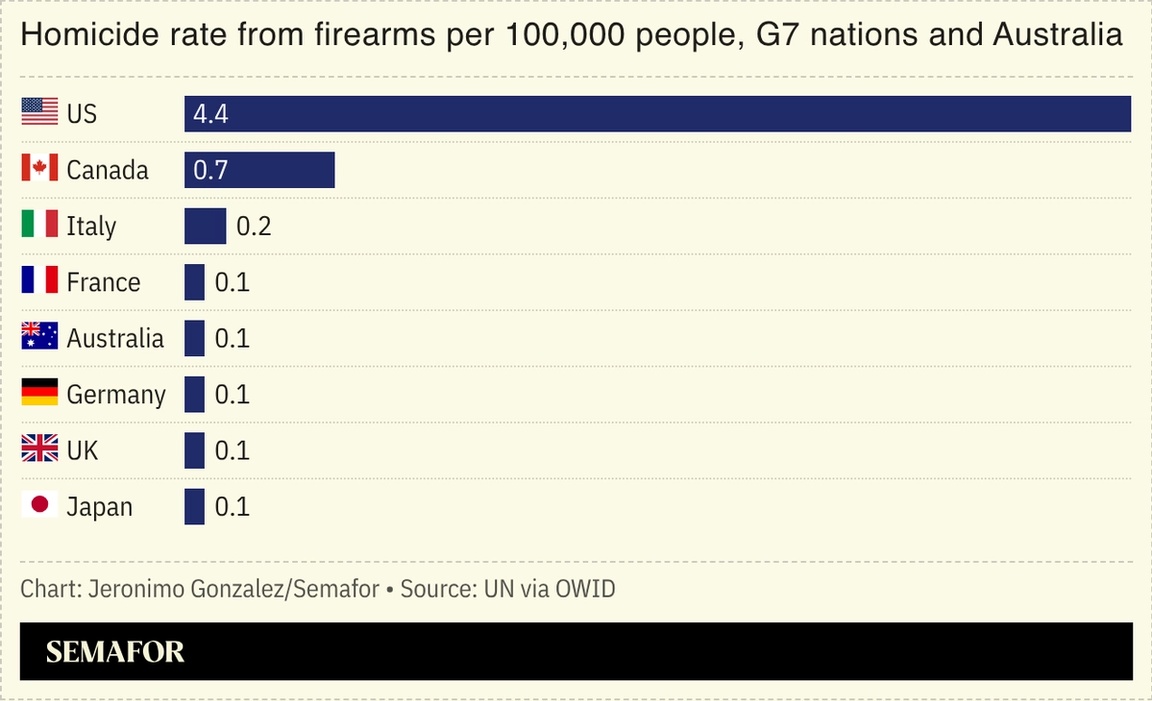 The Australian parliament voted in favor of tougher gun control laws after the Bondi Beach shooting in December that killed 15. The reform bill includes stricter import controls and a gun buyback program, an echo of the aftermath of the 1996 Port Arthur massacre, which prompted the then government to introduce some of the world’s most stringent firearm laws. In the US, meanwhile, the current seems to be flowing in the other direction: The Justice Department is apparently considering loosening a range of gun regulations. The White House has installed gun-right activists in prominent positions and plans to cut the number of gun-law enforcement officers as it seeks the support of Second Amendment advocates, The Washington Post reported. |
|
Chinese tourism to Japan plummets |
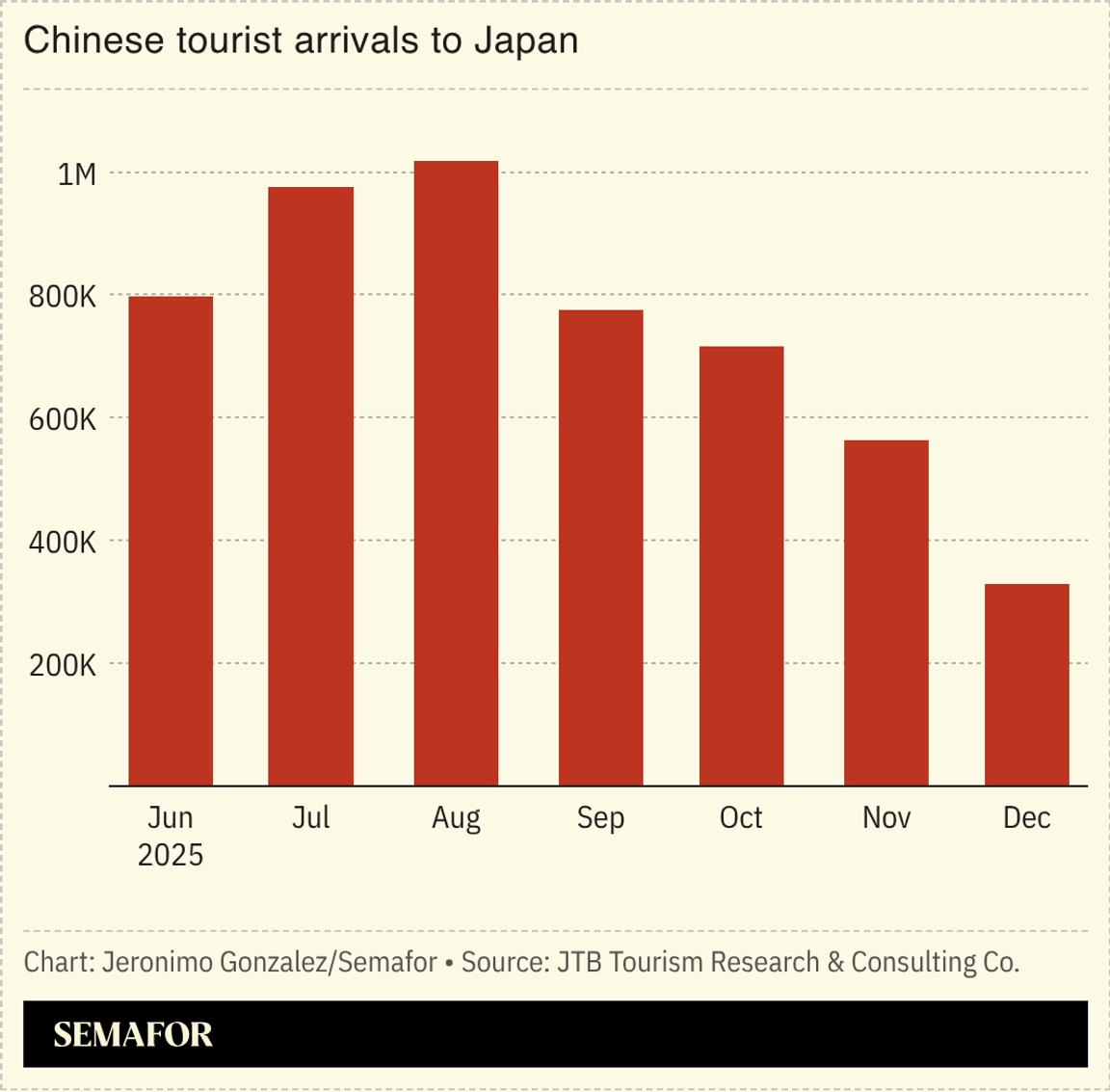 Chinese tourism arrivals to Japan plummeted last month even as overall visitor numbers grew, highlighting the growing rift between Asia’s two biggest economies. The Chinese government urged its citizens to refrain from traveling to Japan after Japanese Prime Minister Sanae Takaichi said last year her country could become militarily involved were China to attack Taiwan, which Beijing claims as a renegade province. Though tourism authorities have vowed to get Chinese tourists to “return as soon as possible,” Takaichi’s China stance has boosted her popularity at home, which she has leveraged to call a snap election in a bid to “seize the momentum and strengthen her hand,” an expert told The New York Times. |
|
 In a crowded information landscape, clarity matters. Gallup’s Front Page is a free weekly newsletter offering nonpartisan analysis from Gallup experts, grounded in data from more than 140 countries and areas worldwide. It provides context on the forces shaping the world and the implications behind them. Subscribe to stay informed. |
|
The battle against ‘double screening’ |
 Matt Damon, Netflix CEO Ted Sarandos, and Ben Affleck. Jeenah Moon/Reuters Matt Damon, Netflix CEO Ted Sarandos, and Ben Affleck. Jeenah Moon/ReutersStreaming platforms are asking film directors to reiterate plots in order to maintain the attention of viewers who are increasingly “double screening,” Matt Damon said. The actor also said traditional action movies have their biggest action set piece near the end, but that he was asked by Netflix to include a big one “in the first five minutes” the new film The Rip, because “we want people to stay tuned in,” speaking on The Joe Rogan Experience. Damon praised the Netflix series Adolescence for its refusal to do “any of that sh*t.” But there is nothing new under the sun: Network TV series’ dramatic structures used to be built around the timing of ad breaks. |
|
|


