Things Worth Remembering: The Poem That Outlived the Holocaust Every year, millions around the world honor the victims of the Holocaust by singing Hannah Senesh’s poem, “Eli, Eli”: five imperfect lines about a fleeting moment of natural beauty.
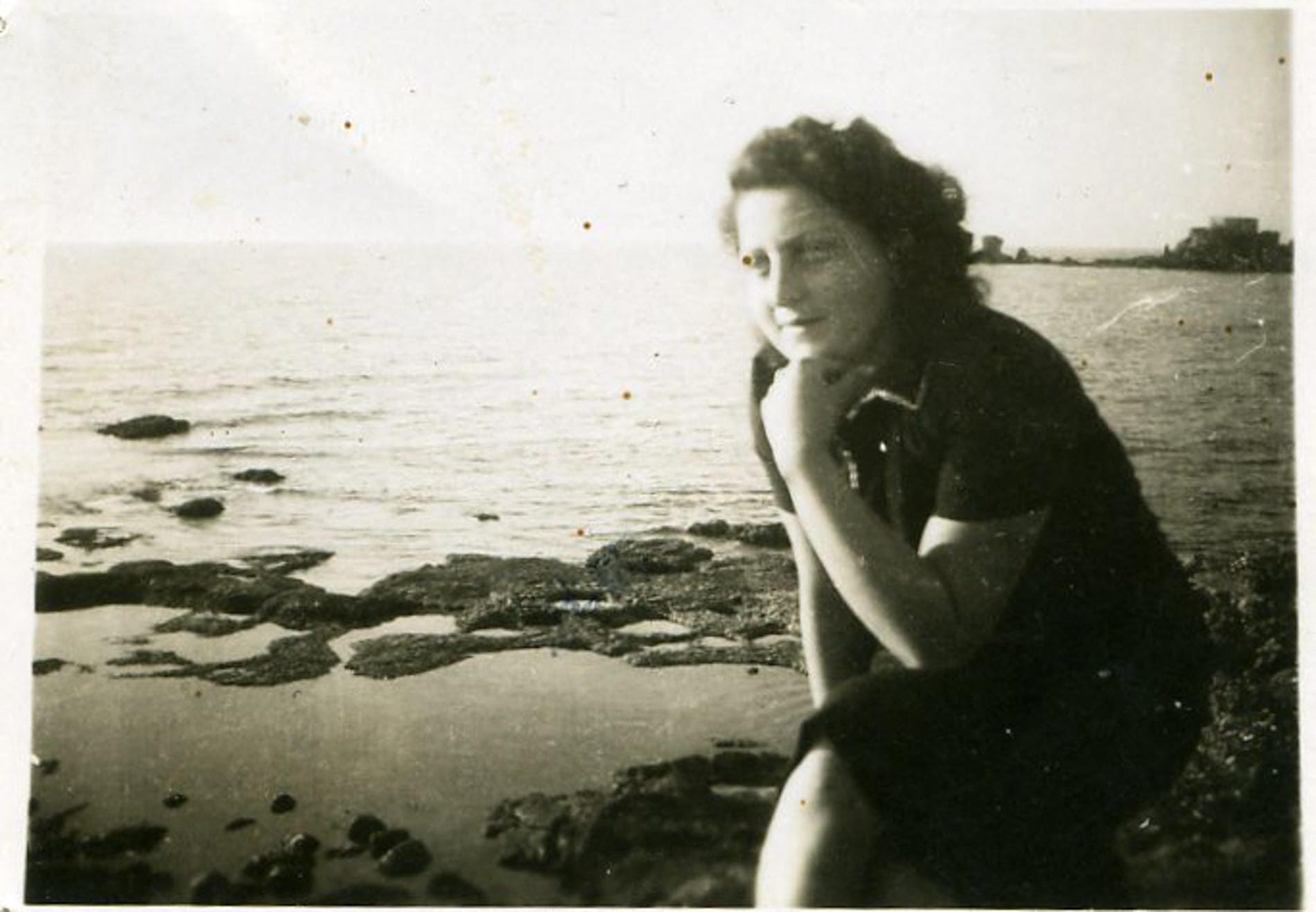
“As a young woman, Hannah Senesh wrote poems inspired by the beauty of her home.” (via Alamy)
Welcome to Things Worth Remembering, our weekly column in which writers share a poem or paragraph that all of us should commit to heart. This week, Douglas Century marks International Holocaust Remembrance Day on January 27 with a reflection on “Eli, Eli,” a poem sung by millions to honor the murdered—and on the story of the brave young woman who wrote it.
It was a scorching afternoon in late July 2023, and I was wandering through the deserted ruins of Caesarea, the ancient Roman capital of Judaea—today, a stunning national park in Israel. As I walked, I recited a poem: that of a young woman who had been executed by a firing squad nearly 80 years earlier, during the Holocaust. Her name was Hannah Senesh, and she spent her early adult years in the very area I was walking. As a young woman, she wrote poems inspired by the beauty of her new home. Her most famous poem, written in 1942 when she was 21, is called “Halicha L’Keisarya” in Hebrew—or, in English, “A Walk to Caesarea.” Here it is in English:...
Become a paid subscriber Get access to our comments section, special columns like TGIF and Things Worth Remembering, tickets in advance to our live events, and more. UPGRADE TODAY |