Dear Educator,
While students might think their teachers have the answers to every question, no one can be an expert in everything. That is why places like the Council on Foreign Relations exist. By harnessing the expertise of those who dedicate their careers to global issues, CFR has been at the forefront of independent, nonpartisan foreign policy expertise since 1921.
Use these four short videos that feature leading CFR experts to help answer questions such as:
Below each video, you’ll find resources that provide additional context to help you seamlessly integrate these topics into your classroom. Happy learning,
Caroline Netchvolodoff
Vice President, Education
Council on Foreign Relations |
|
|
Recorded Webinar: TikTok, Tariffs, and Taiwan
|
Have you wondered how to tie your students’ daily experiences with social media and news headlines to the broader state of U.S.-China relations? This recorded webinar from last week will give you the tools to teach students how to make sense of the global dynamics that shape their world.
|
|
|
Global Questions, Expert Answers |
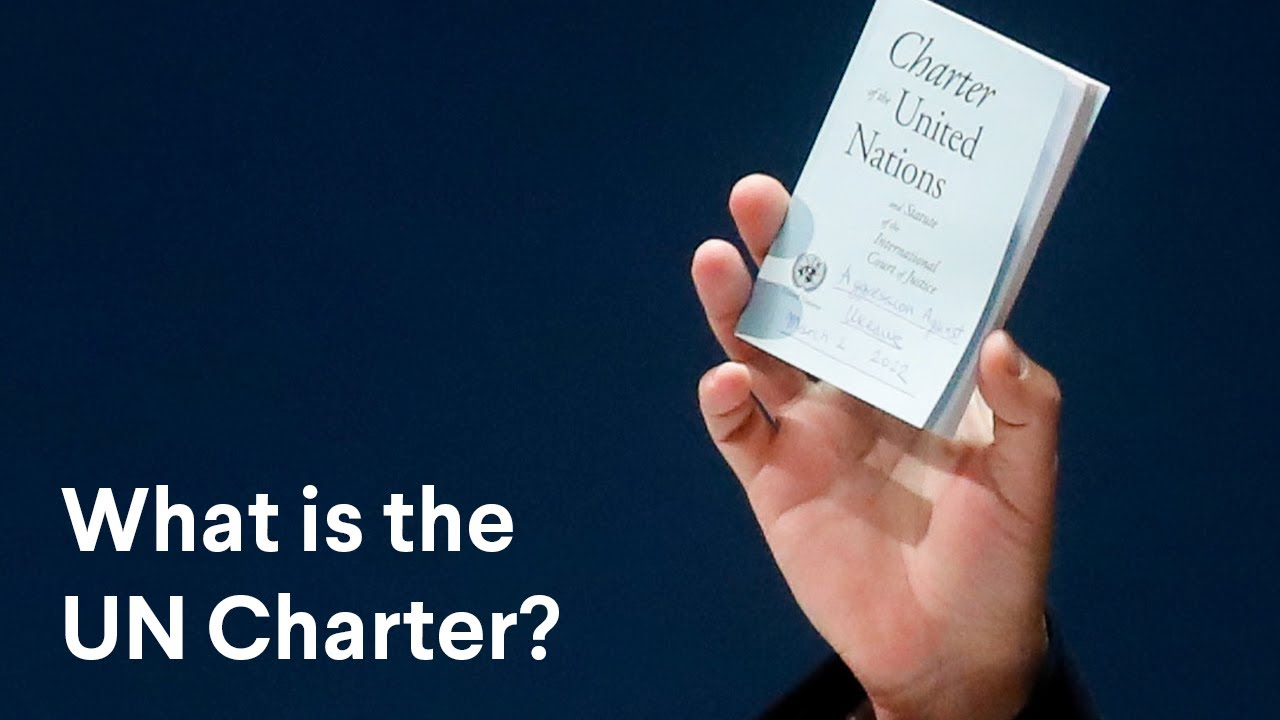
The founding principles of the United Nations are enshrined in its charter, which outlines the responsibilities and privileges of member states. The charter defined the United Nations’ mission: to promote peaceful cooperation among countries. In this video, David J. Scheffer, senior fellow at the Council on Foreign Relations, explains the importance of the UN Charter and how it can be used as a tool to confront the challenges that we face today. |
The UN Charter made promoting human rights a central mission, and in 1948, the United Nations adopted the Universal Declaration of Human Rights (UDHR). Use this reading to teach your class about international human rights law and how countries and courts protect the rights of all people. |
|
|
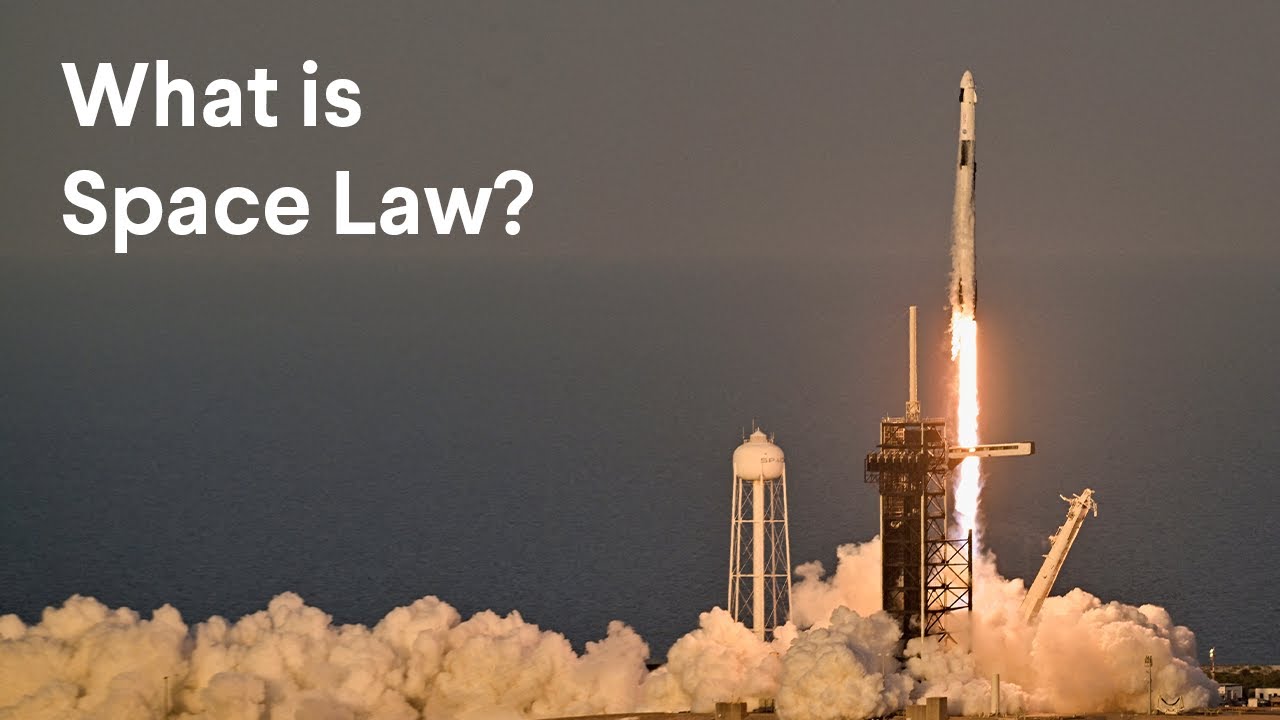
Since the dawn of the Space Age in 1957, countries have relied on a growing body of international law to govern human activity beyond Earth, but today’s legal framework does not sufficiently address current challenges. As a part of international law, space law attempts to regulate human activity in the shared commons of outer space.
In this video, Esther Brimmer, the James H. Binger senior fellow in Global Governance at the Council on Foreign Relations, explains the treaties that shape space law and why commercial space activity presents a unique set of challenges. |
With outer space growing increasingly crowded, the United States needs to weigh the benefits and risks of recognizing space as a shared global commons. Use this simulation to help your students understand the challenges of governing space exploration. |
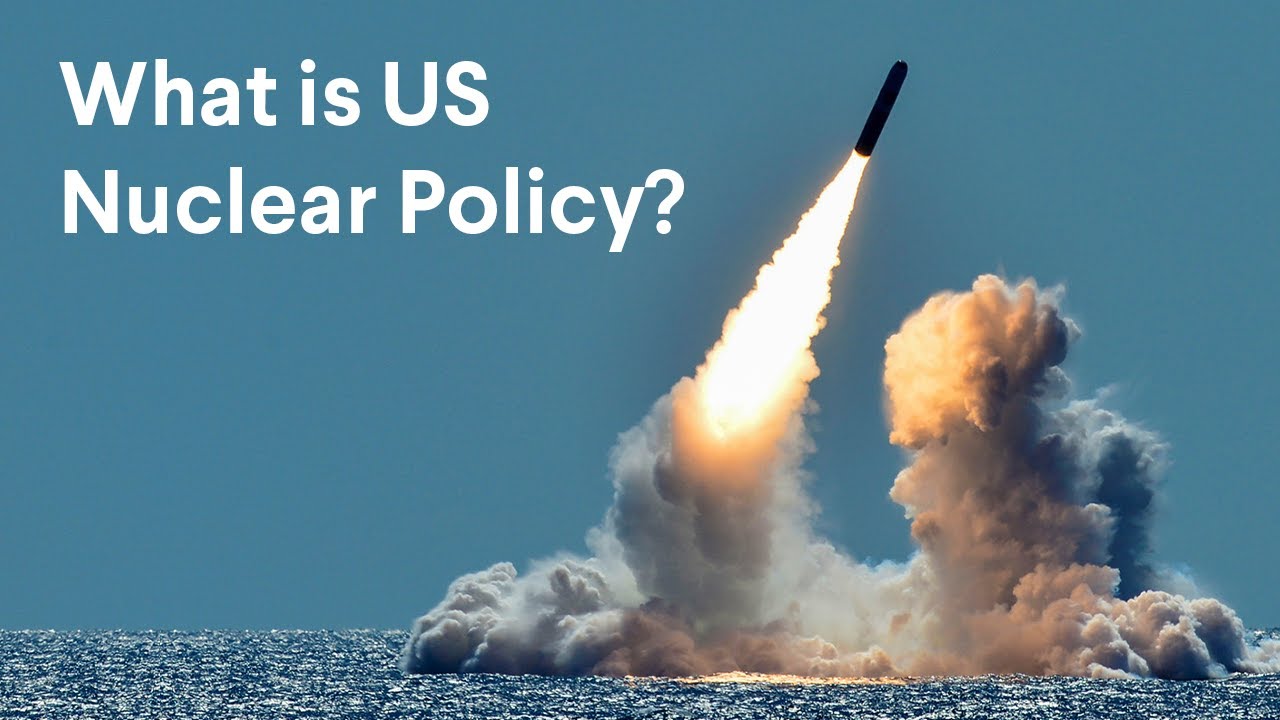
While preventing nuclear proliferation - the production and spread of nuclear weapons - is a top priority for many countries, the United States does maintain an arsenal of about 1,550 deployed nuclear weapons, structured around what is known as the “nuclear triad.
In this video, Erin D. Dumbacher, Stanton nuclear security senior fellow at the Council on Foreign Relations, outlines what the nuclear triad is and explains how the U.S.nuclear arsenal helps establish deterrence. |
The United States has long been concerned with Iran's nuclear capacity. Use this simulation to give your students greater insight into the complexities of nuclear negotiations. |
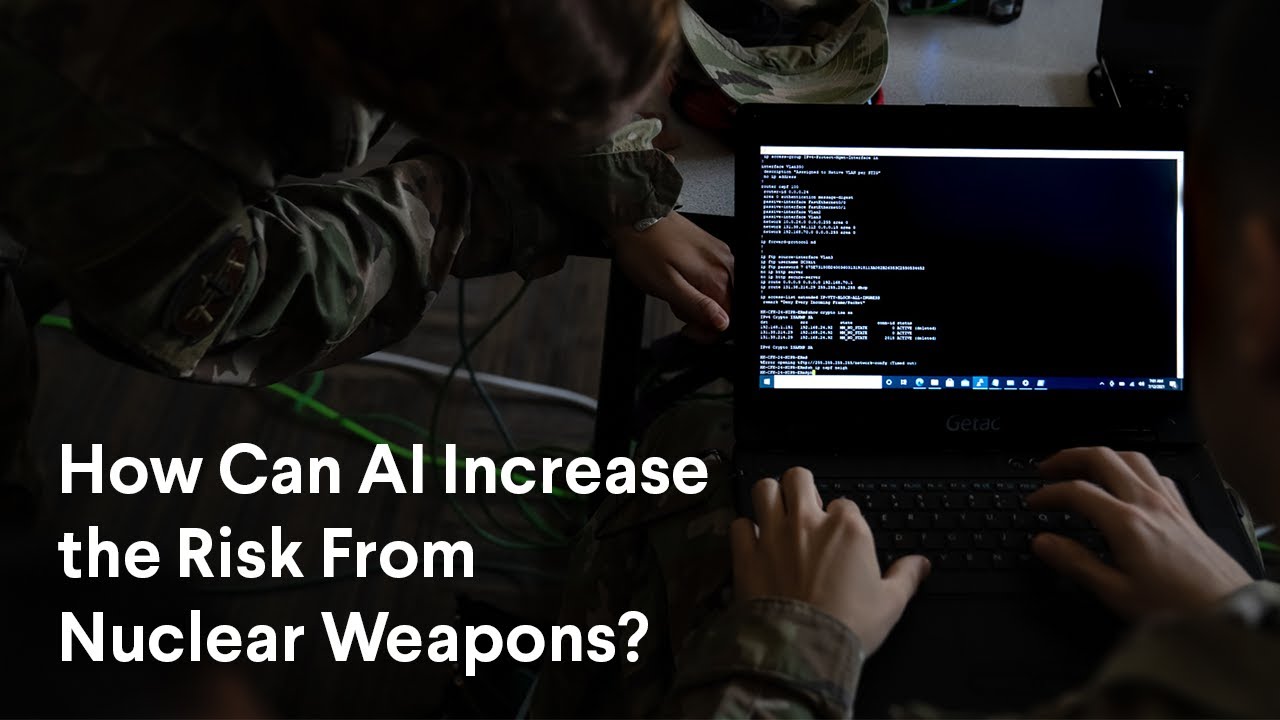
The rise of A.I.-generated information, such as deepfakes and falsified audio, has the potential to misinform world leaders in a crisis. In the United States, where the president alone is responsible for authorizing nuclear use, his or her exposure to inaccurate information could have serious consequences. In this video, Erin D. Dumbacher, Stanton nuclear security senior fellow at the Council on Foreign Relations, discusses the potential risks that artificial intelligence could pose to nuclear stability. |
Want more expert takes? In this article, six CFR fellows examine the challenges that lie ahead. They review how governance, adoption, and geopolitical competition will shape artificial intelligence and society’s engagement with this new technology.
|
|
|
Council on Foreign Relations. All rights reserved. |
58 East 68th Street – New York, NY 10065 1777 F Street, NW – Washington, DC 20006 |
|
|
|