| Forwarded this email? Subscribe for more |


 |
| By The Free Press |
It’s Wednesday, February 4. This is The Front Page, your daily window into the world of The Free Press—and our take on the world at large. Today: An AI tool to hold politicians to account. The problem with Mamdani’s gifted and talented plan. Can we get politics out of the Fed? Nellie Bowles livestreams the news. And much more.
But first: Epstein.
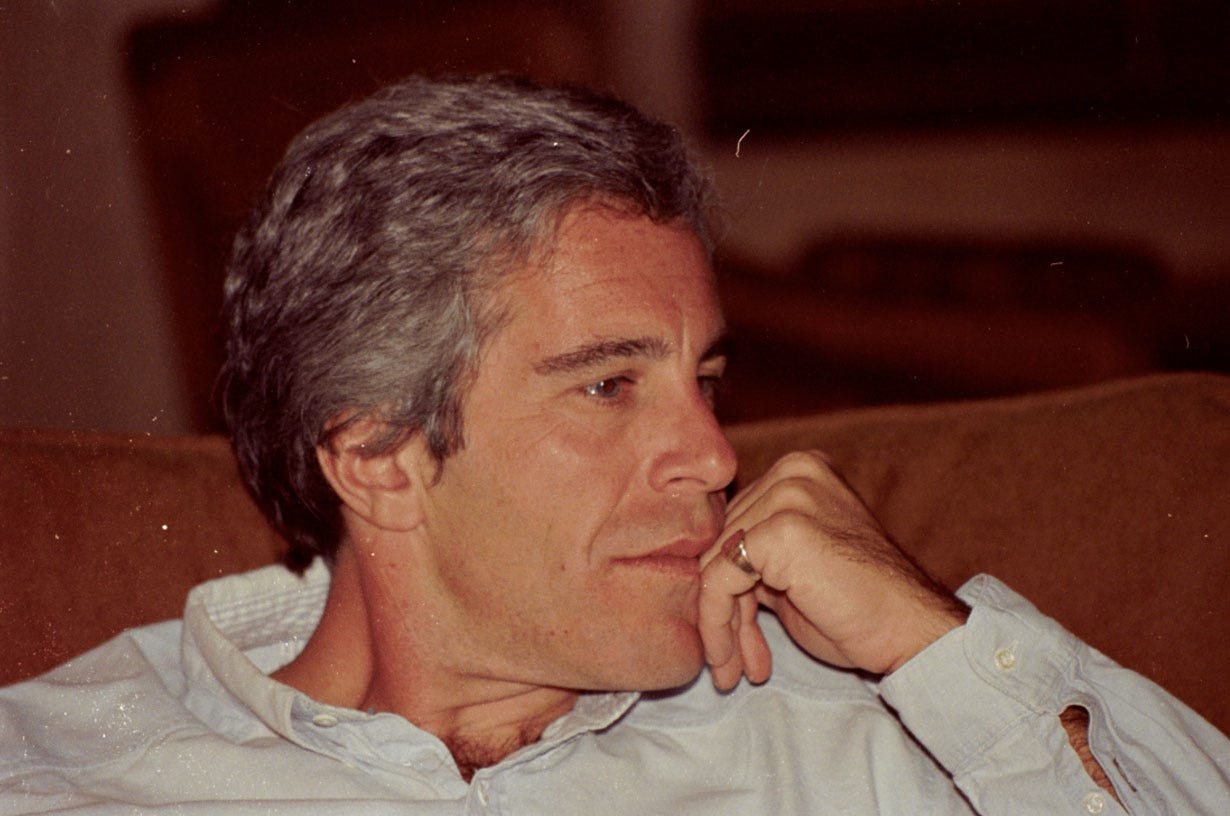
The Jeffrey Epstein saga is a controversy without end. It is also, arguably, the defining scandal of our age. Even now, more than six years after the suspicious death of the shadowy financier and convicted sex criminal in a New York prison cell, his crimes and connections drive the news and loom large in our public life.
That’s been as true this week as any, after last Friday’s Justice Department release of more than three million pages, 2,000 videos, and 180,000 images from the so-called Epstein files.
Today, we bring you three perspectives on the meaning of the latest twist in the Epstein account.
Up first is Rod Dreher, who tries to make sense of the larger meaning of the Epstein story. If you want to understand the “tear it all down” rage that drives so much of our politics today, look no further than these documents, says Rod. Drawing ominous parallels with pre-revolutionary Russia and Weimar Germany, Rod argues that “the real meaning of the Epstein files is not likely to be found in its pages, but in what some ambitious genius convinces an increasingly polarized, increasingly anxious American populace to think they mean.” Read Rod on how Epstein and his elite can be anything you need them to be—and why that’s so dangerous.
Is this justice? That’s one question we’ve found ourselves debating in the newsroom this week, as the document dump dragged innocent names into the sordid story—and even inadvertently revealed the identity of Epstein’s previously anonymous victims. To Robby Soave, the answer is a clear no. Writing for The Free Press today, he argues that the push to release the Epstein files—something that Trump was in favor of, then opposed to, and Democrats were opposed to, then in favor of—sets a dangerous precedent. Welcome to a world where gossip, unverified information, and outright lies can be released into the world, consequences be damned.
And finally, Nellie Bowles, whose name was in the documents released this week because she once, as a business reporter at The New York Times, met Epstein for coffee. Her regret, she writes, is not that she met Epstein, or emailed him, but that she “had the chance to profile one of the darkest, most interesting characters of that moment, and I didn’t.” Read Nellie on the time she went to Epstein’s Upper East Side mansion to meet the man whose twisted life still drives investigations, conspiracy theories, and headlines today:
—Oliver Wiseman
 |
No More Gifted Students in Mamdani’s New York City | ||||
 | ||||
|
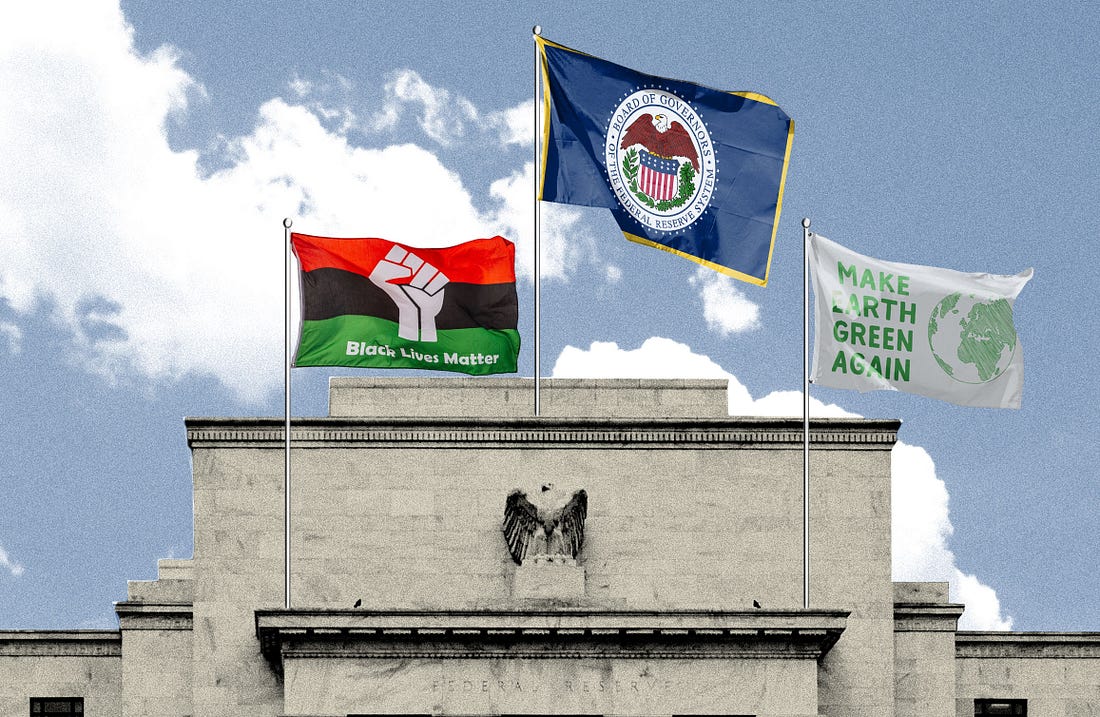
How the Fed Politicized Itself—and What a New Chair Can Do to Fix It | ||||
 | ||||
|
The Watchdogs Who Are Building a ‘Moneyball’ for Politics | ||||
 | ||||
|
Nellie Bowles on Tulsi Gabbard, ICE, the Epstein Files, Kanye West, and the ‘Melania’ Movie |
 |

|