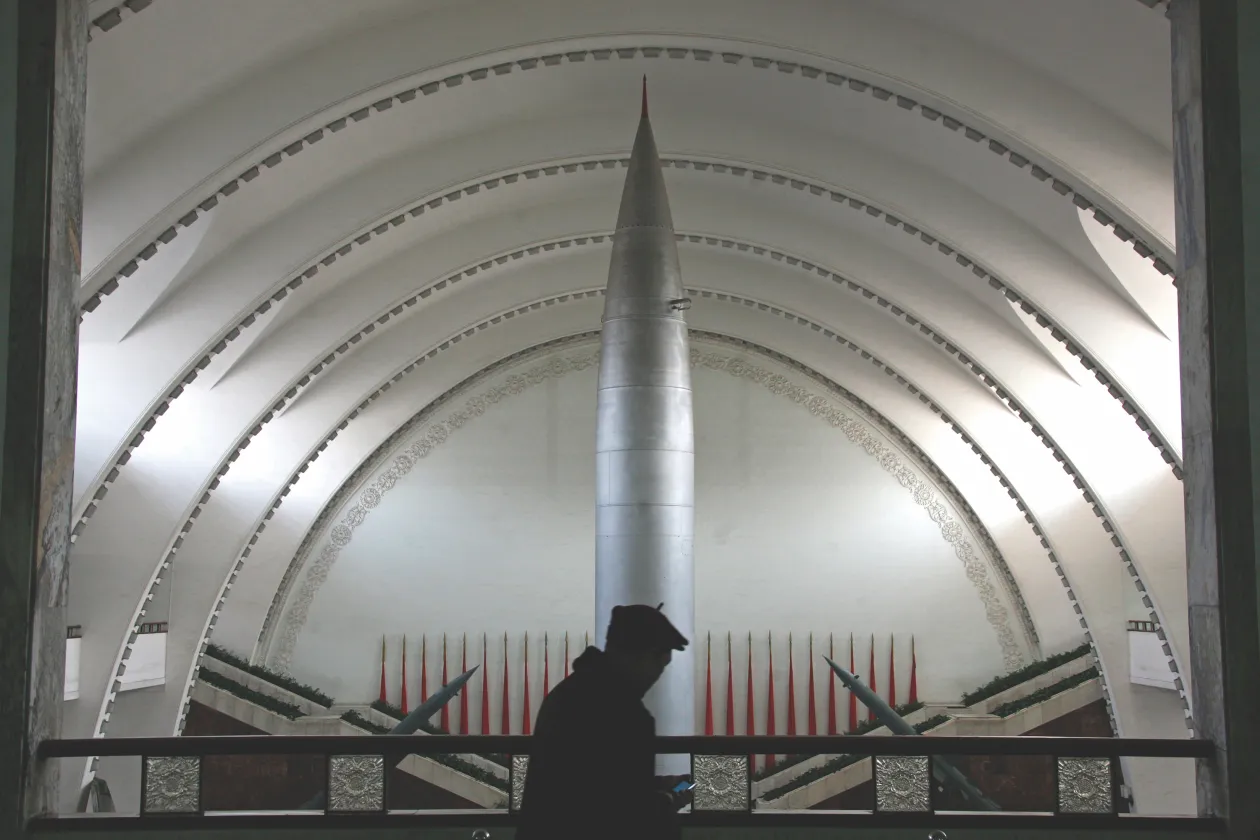
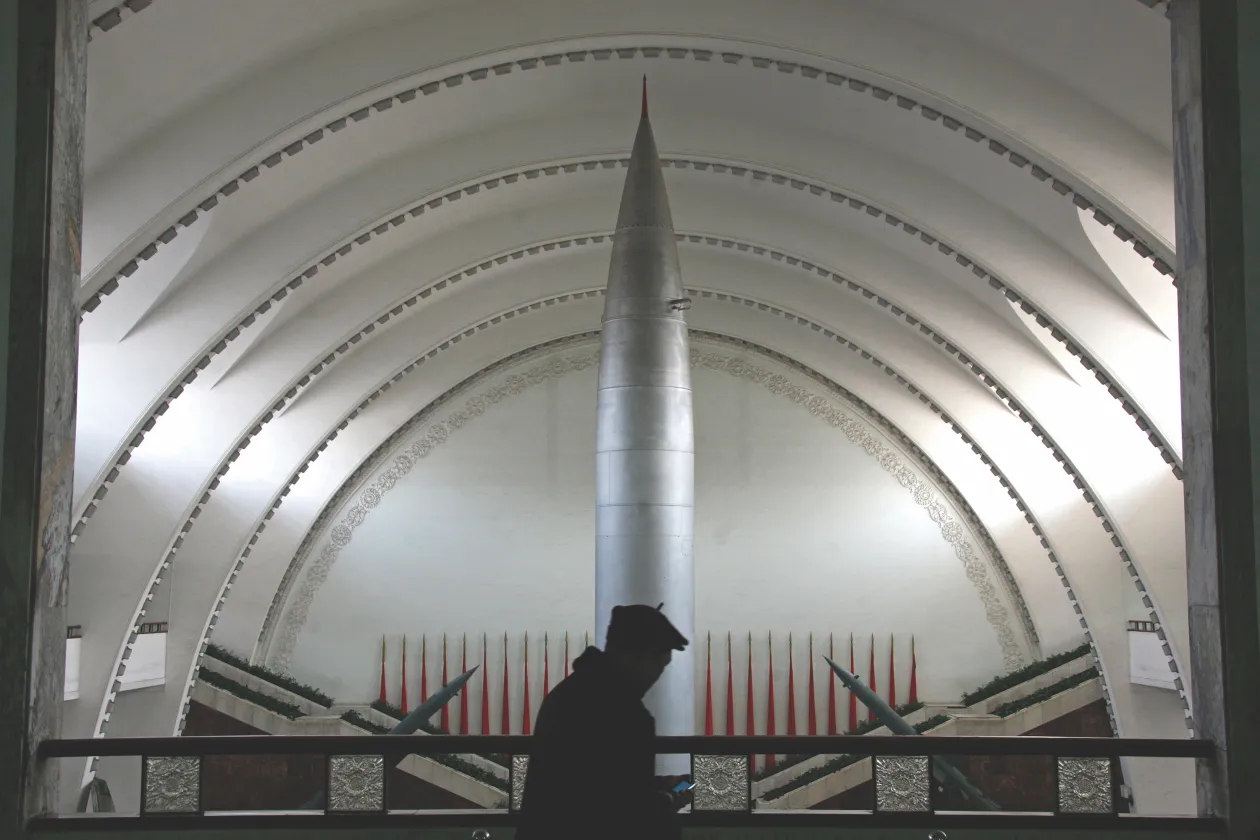
While everyone here is focusing on the new global order (including Foreign Affairs), I’ve also been thinking a lot about the new nuclear order. Nuclear dangers are clearly rising: last week, Washington accused Beijing, which has been rapidly expanding its nuclear arsenal, of conducting a secret test in 2020; New START, what was the last remaining U.S.-Russian arms control agreement, expired on February 5; and U.S. President Donald Trump recently ordered the American military to resume testing nuclear weapons for the first time in decades.
To understand the forces driving this “new nuclear age,” I reread this great 2022 essay by Andrew Krepinevich, Jr. As he explained, the bipolar system in which only Washington and Moscow possessed overwhelming nuclear force also contained “features that enhanced stability”—but with the emergence of three great nuclear powers instead of two, it would become much harder to avoid Armageddon. With a “greater risk of a nuclear arms race and heightened incentives for states to resort to nuclear weapons in a crisis,” he calls on Washington to rethink its deterrence strategy.
Until next week, |