Earlier this week, much to my Oura ring’s dismay, I stayed up late because of AI.
I was chatting up Anthropic’s newest version of Claude, powered by its most recent drop Opus 4.6, which is stunningly good. If your last impression of AI was, “Eh, this is overhyped and faulty,” get yourself a paid version of GPT or Claude and try again (the paid versions are far superior technologically to the free). It has come a long way from even a few weeks ago.
The other thing I was doing was reading a well-articulated essay by AI startup founder Matt Shumer: “Something big is happening in AI.”
Matt captured what so many of us who are watching AI closely are feeling: Our friends and families don’t get what’s coming. Those on the front lines, however—the software engineers—are seeing it, and it’s hugely disruptive.
Matt’s essay got lots of industry pushback for being too doomsday, and Fortune’s AI editor Jeremy Kahn wrote a compelling rebuttal in which he argued Matt’s piece was based on flawed assumptions. But I have to say, the sentiment matched what I’ve been hearing from tech bigwigs behind closed doors and increasingly in public, too.
Anthropic’s Dario Amodei has been the most vocal about the hit the workforce will take over the next few years. But even Sam Altman recently lamented that AI was so much better than he was at accomplishing a task that it made him feel nostalgic.
The latest version of ChatGPT largely wrote itself. Anthropic’s and OpenAI’s top engineers say AI now writes 100% of their code.
Shumer’s argument is that software engineers were the first jobs targeted by AI, because then AI can write and improve upon itself. But lots of other jobs will be similarly replaced. He likened this moment to early COVID, February 2020, when scientists could see a pandemic brewing but the public hadn’t stockpiled toilet paper yet.
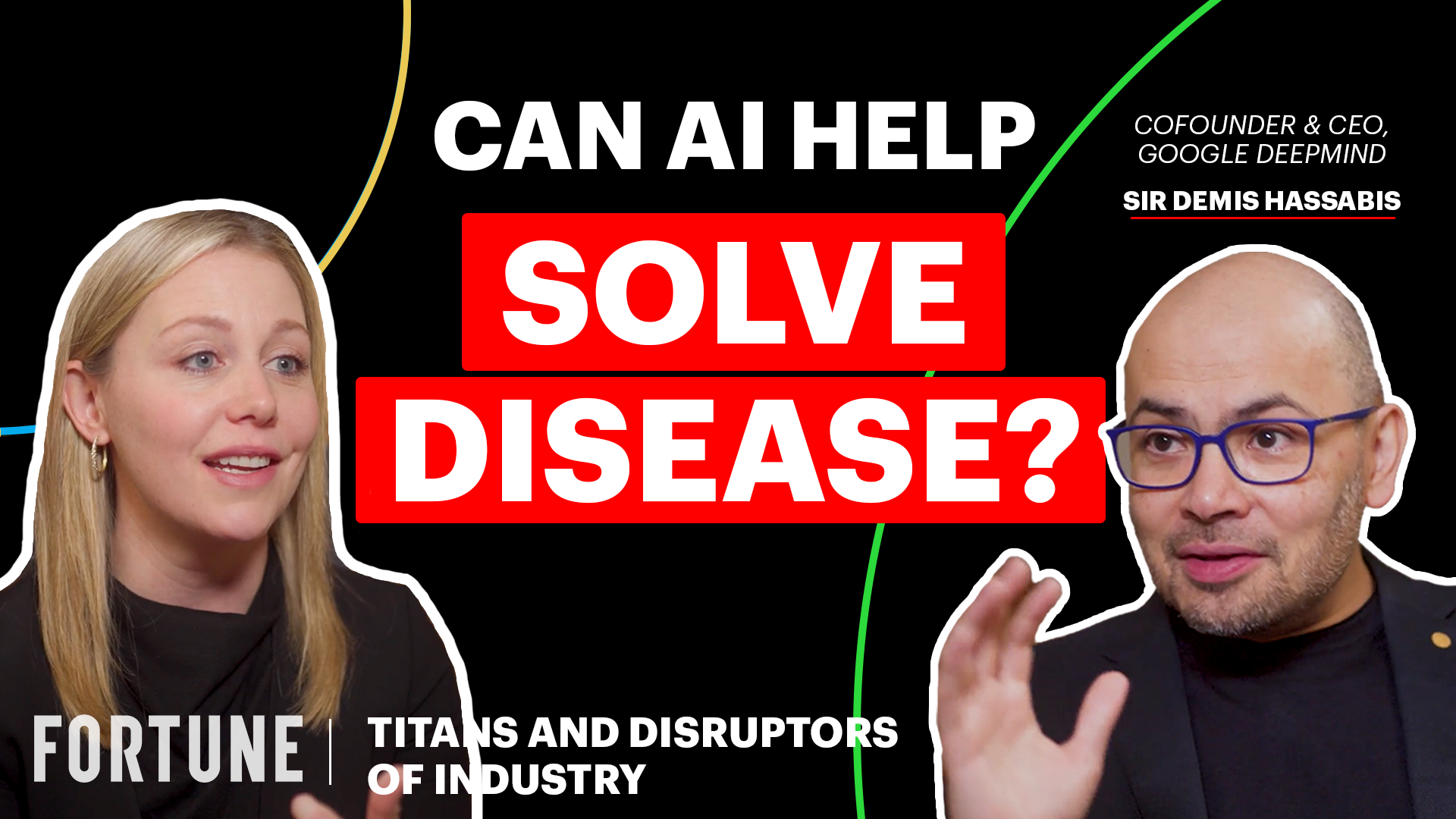
Get yourself “toilet paper ready” by reading Shumer’s essay, which he’s published on Fortune. Then do yourself a favor and listen to the foremost expert in AI, Google DeepMind CEO Demis Hassabis, paint a more optimistic future on my podcast, Fortune 500: Titans and Disruptors. Hassabis sees an AI shakeout that will last 10 to 15 years, followed by a renaissance period, where many diseases will be “solved,” as Hassabis puts it, and most of our critical needs, from housing to health care and education, will be available in abundance.
Subscribe to listen to Hassabis on Fortune 500: Titans and Disruptors on Apple, Spotify, or YouTube. If you leave a review and email it to me, I’ll gift you a free month of a subscription to Fortune.
Follow Alyson on X, LinkedIn, TikTok, and Instagram.