Protect Your Team from AI-Fueled Overload. AI promises productivity gains, but without guardrails it can quietly intensify work instead of reducing it. As tasks accelerate, expectations rise. People attempt more, juggle more—and struggle to stop. If you don’t deliberately shape how AI is used, you risk increasing your team’s workload, straining their attention, and exhausting them. Here’s how to protect them from AI overload.

Read online 

Manage email preferences

Harvard Business Review | The Management Tip of the Day
 

Today’s Tip

Protect Your Team from AI-Fueled Overload 

AI promises productivity gains, but without guardrails it can quietly intensify work instead of reducing it. As tasks accelerate, expectations rise. People attempt more, juggle more—and struggle to stop. If you don’t deliberately shape how AI is used, you risk increasing your team’s workload, straining their attention, and exhausting them. Here’s how to protect them from AI overload. 

Build intentional pauses. As speed increases, create structured moments to slow down. Before major decisions, require a brief pause to test assumptions, surface one counterargument, and reconnect to core goals. Protect short intervals for reflection between work cycles. These pauses regulate tempo and prevent overload from accumulating. 

Sequence the work. AI enables constant background activity. Don’t let that dictate your pace. Batch non-urgent notifications together, hold updates until natural breakpoints, and protect focus windows from interruptions. Encourage teams to move work forward in defined phases instead of reacting to every output immediately. Sequencing reduces fragmentation and protects decision quality. 

Re-anchor work in human connection. As AI makes solo work easier, intentionally create space for dialogue and collaboration. Schedule brief check-ins and shared reflection moments. Encourage discussion before finalizing major outputs. Multiple human perspectives sharpen thinking and restore energy that continuous AI interaction can drain. 


Read more in the article

AI Doesn’t Reduce Work—It Intensifies It

by Aruna Ranganathan and Xingqi Maggie Ye

Read more in the article

AI Doesn’t Reduce Work—It Intensifies It

by Aruna Ranganathan and Xingqi Maggie Ye


ADVERTISEMENT


An issue of HBR and various office supplies next to a tablet showing the HBR subscriptions webpage.

Where leaders turn for perspective

A subscription gives you full access to HBR’s research and analysis on the issues leaders are facing today.

Subscribe to HBR


Harvard Business Review Virtual Event

Strategy Summit 2026

Build your transformation playbook for the AI era. Join us Thursday, February 26. Featuring Rita McGrath, Andrew McAfee, Tsedal Neeley, and more strategy experts.

Register now
 

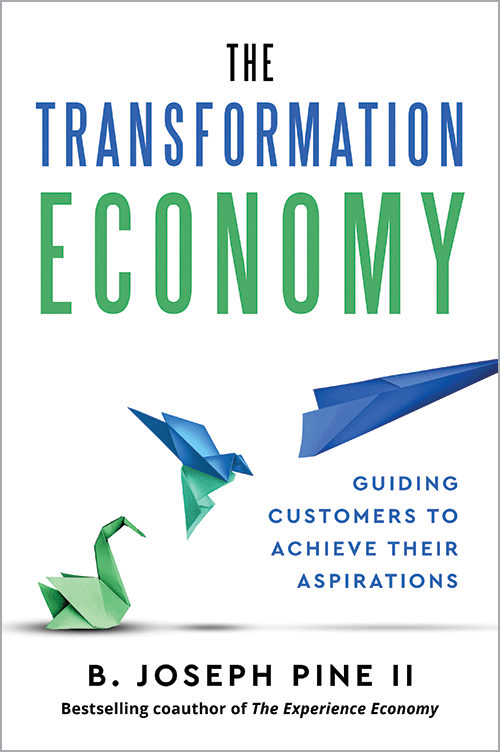
The Transformation Economy: Guiding Customers to Achieve Their Aspirations

The Transformation Economy: Guiding Customers to Achieve Their Aspirations

by B. Joseph Pine

Learn more

Don’t forget you’re entitled to 20% off your first purchase*


*Use promo code HBRORGREG4.
View details here.


The HBR App:
Get the best in leadership thinking on-the-go.

Download on the App Store.
Get it on Google Play
 
X IconFacebook Icon Instagram Icon

You are receiving this because you registered at hbr.org to receive The Management Tip of the Day emails, or you provided us with your email address.

If you prefer not to receive The Management Tip of the Day emails, please