Greetings from London!
Car prices for U.S. consumers have been rising for years, hovering close to the $50,000 mark for nearly a year now – a startling figure when you think that not so long ago, $40,000 was considered the baseline for premium cars. Industry experts have long warned of an affordability crunch and that far too many U.S. consumers have been priced out of the new car market.
But now, as Reuters colleague Nathan Gomes reports here, U.S. car buyers that can stretch their budgets to a new car are opting to ditch expensive trims and go for more basic models. Inventories for higher-trim models are at far higher levels than basic versions.
Lower trims mean lower margins. Unless of course you can get enough volume to cover the difference. So automakers are now under pressure to beef up their lower-cost offerings for more frugal U.S. car buyers. Which brings us to today’s Auto File… |
|
|
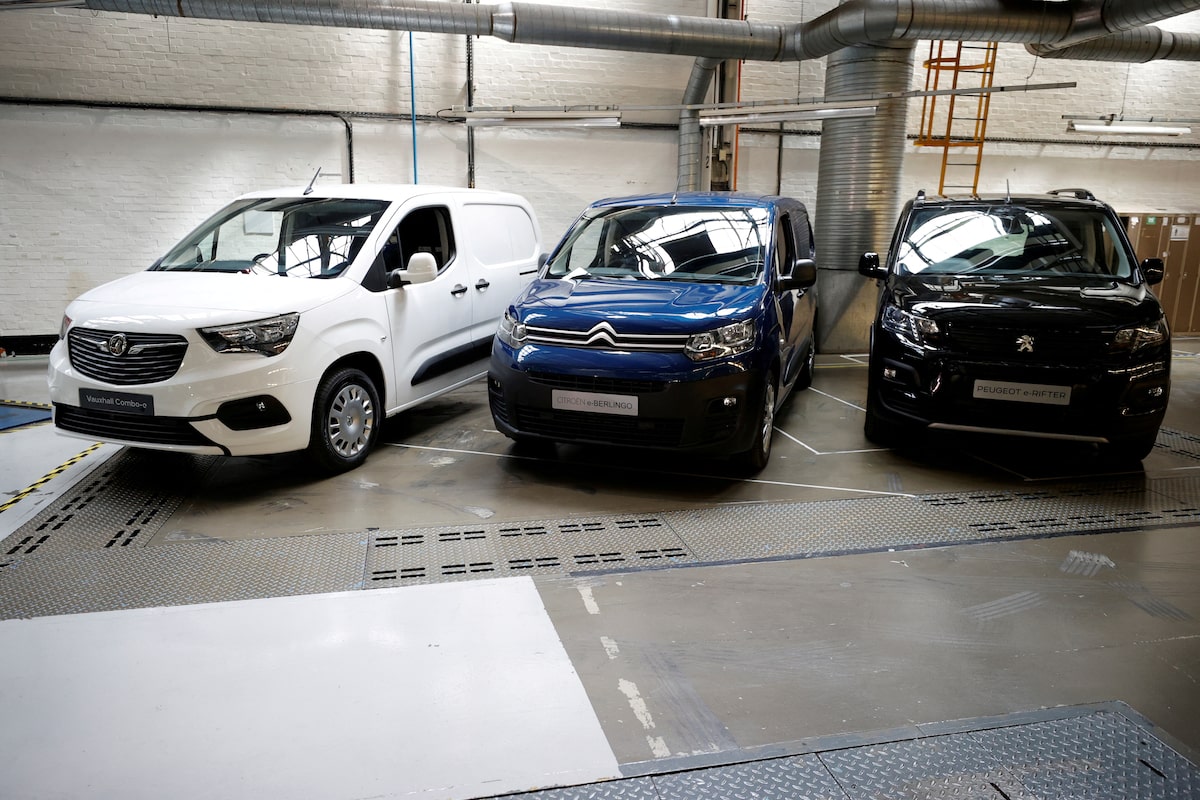
Stellantis models, coming in diesel versions soon - REUTERS/Phil Noble. |
Stellantis’ diesel comeback |
In one of the more unexpected moves of the last couple of years, Stellantis has been quietly bringing back diesel car models to Europe.
As Reuters colleague Gilles Guillaume reports, the world’s No. 4 automaker is resurrecting diesel versions for at least seven car and passenger van models for the European market and keeping diesel for four other models. You can read all about it here.
This comes on the heels of Stellantis’ $27 billion writedown related to its pullback from ambitious plans for EVs.
At first glance, diesel appears a counterintuitive choice. In just a decade, diesel cars fell from more than half of all European car sales in 2015 to 7.7% in 2025 in the wake of Volkswagen’s Dieselgate emissions cheating scandal. Most automakers have either dramatically reduced the number of diesel models they sell or have abandoned them altogether.
But Stellantis can sell diesels at much lower prices than EVs – even factoring in electric car subsidies and penalties for diesel in some markets. It’s also an area that Chinese automakers have not bothered with. So it protects them from price competition. Assuming more European car buyers want diesel after years of decline, that is. This will be an interesting experiment to watch.
|
|
|
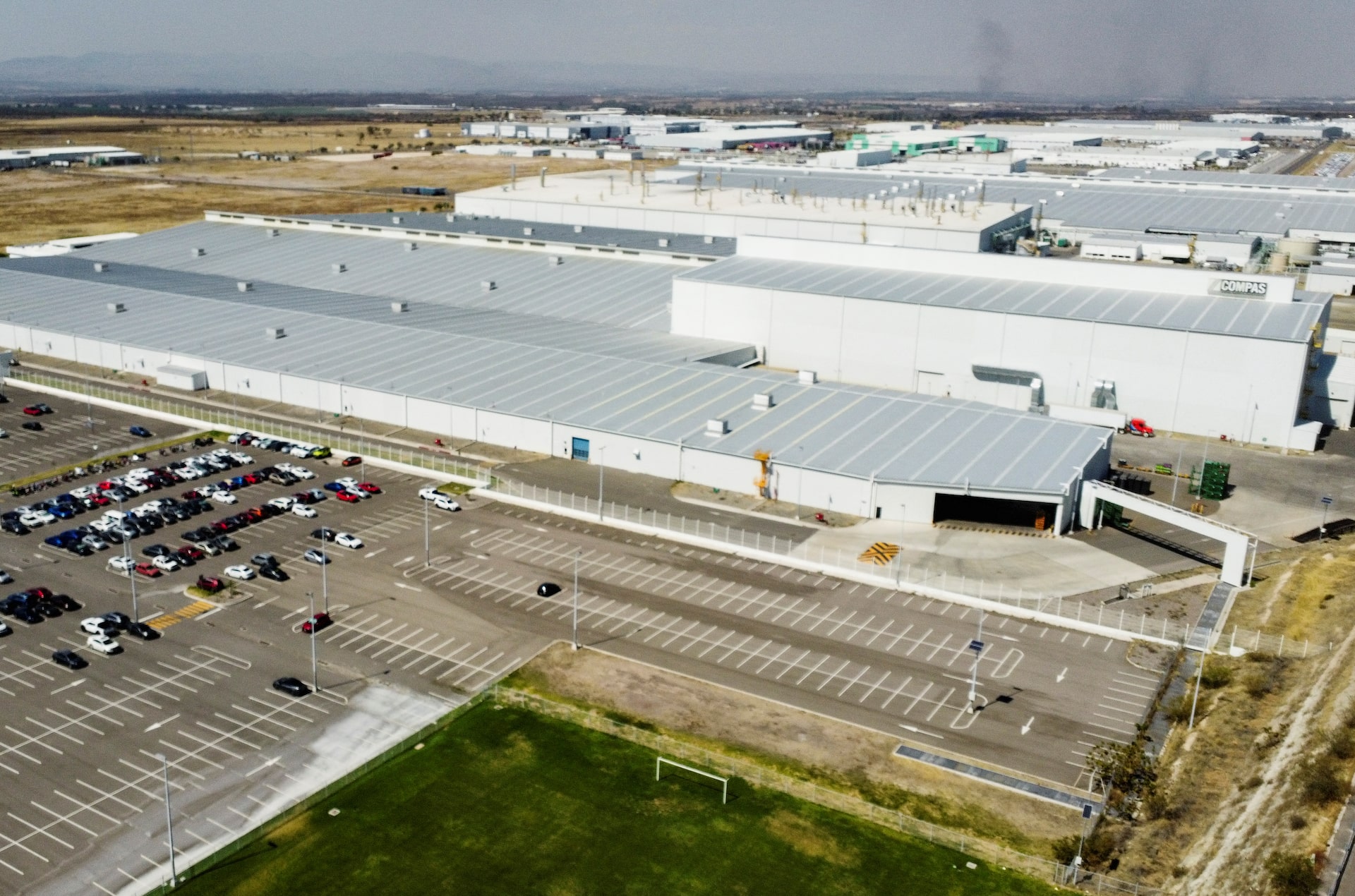
BYD and Geel apparently want to buy this plant - REUTERS/Liberto Urena. |
Chinese automakers have wanted a foothold in Mexico for some time, as factories there would give them access to South America and potentially even to the U.S. market if the Trump administration or a successor down the line decides to let them in.
As Reuters colleague Emily Green reports, China’s top two automakers BYD and Geely are among the finalists seeking to buy a Nissan–Mercedes-Benz plant in Mexico that is slated for closure. You can read all about it here.
According to sources, these finalists – along with Vietnam’s VinFast – emerged from nine companies who want to acquire the factory, including at least two other major Chinese manufacturers: Chery and Great Wall Motor. This seismic shift in a market where U.S., European and Japanese automakers have dominated for decades places Mexican officials in a bind.
Trump’s tariffs have battered Mexico's auto sector, while Chinese investments in under-utilized factories could generate much-needed jobs. But Mexican officials also fear that Chinese production in Mexico could inflame Washington and jeopardize this year's North American trade-agreement negotiations.
Sources say that while Mexico can't block a factory sale, economy ministry officials have quietly urged state authorities to slow-walk Chinese auto investments until the government completes U.S. trade talks. |
|
|
Far right flyers to woo German car workers - REUTERS/Robin Rudel. |
Far right woos German car workers |
Germany’s far-right Alternative for Germany (AfD) party has made large political gains in recent years and is now turning its attention to winning union representation at the country’s automakers to further boost its showing on the national stage.
As Reuters colleagues Rachel More, Sarah Marsh and Andreas Rinke report, Zentrum, a far-right union affiliated with the AfD, is contesting elections to factory works councils taking place across the country from March to May. You can read all about it here.
Works councils are a pillar of the corporatist model which proponents say helped foster stability and prosperity in Germany after World War Two, giving about 37% of employees a formal voice within companies. Although some are only loosely affiliated with the AfD, they could give the party - which leads nationwide opinion polls and is on track to make gains in five state elections this year - a bigger platform to woo workers. |
|
|
Great Wall attempts a comeback |
Great Wall Motor was one of the first Chinese automakers to take a crack at the European market with an EV-heavy lineup. But unlike others like BYD, Chery and Leapmotor that have started to do well in Europe, Great Wall has seen sales fall 25.4% in 2024 and almost 30% in 2025 to just 3,500 cars.
Now, Great Wall plans a comeback in Europe with hybrids and combustion-engine models, as part of an ambitious plan to double overseas sales to 1 million vehicles by the end of the decade. You can read all about it here.
If Great Wall wants to hit its 2030 target, then it absolutely has to succeed in Europe because South America, Asia, Africa and the Middle East will never provide enough volume to get there.
But a lot has changed in Europe since Great Wall made its debut at a car show in Munich in 2021: a number of Chinese rivals have experienced success there in the intervening years and European automakers are also launching cheaper models to compete with the challenge from the East. Second chances are tough in any market. But with dozens of other Chinese automakers in Europe or coming soon, it is not going to be easy. |
|
|
A Toyota tender offer to buy out its Toyota Industries unit has been extended until March 2 after it appeared to fall short of the necessary shareholder votes in the face of staunch opposition from activist shareholder Elliott Investment.
Tens of thousands of cars are being exported from China to Russia under gray-market schemes that often circumvent Western and Asian government sanctions and automakers' commitments to exit the Russian market, according to registration data reviewed by Reuters and interviews with five people involved in the trade. China's commerce ministry has decided to allow Chinese EV makers to negotiate independently with the European Union, after Volkswagen secured a tariff reprieve for one of its China-made SUV models.
Rivian’s results beat Wall Street targets and the U.S. EV maker stoked expectations for its rival model to Tesla's best-selling Model Y, saying its new, more affordable R2 SUVs would drive a 53% jump in 2026 deliveries.
JSW MG Motor, a joint venture between China's SAIC and India's steel-to-cement JSW Group, plans to invest |
|
|
|