|
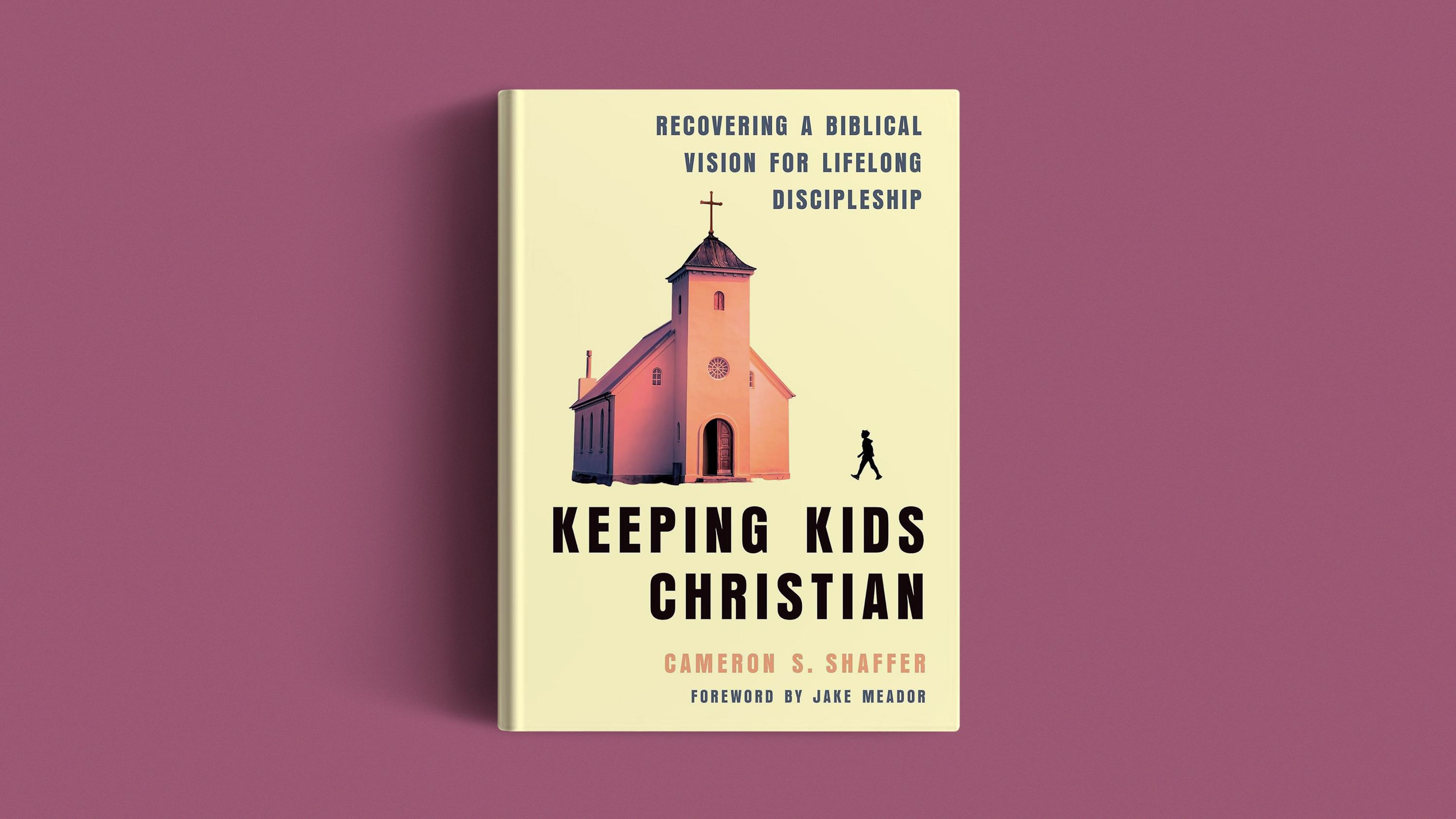
Parenting takes a lot of courage in a world that offers much confusing and often contradictory advice. Gretchen Ronnevik, an author and mom to six children, reviews three books this week on parenting books that give hope to Christian parents. These books tackle heavy-duty topics on sexuality, education, and raising teenagers and can help both parents and churches as they raise gospel-centered teens. |
|
Senior Features Editor, Christianity Today |
Three Books to Read on Parenting |
|
Laurie Krieg, Raising Wise Kids in a Sexually Broken World (IVP, 2026) |
|
Raising Wise Kids in a Sexually Broken World lays out how to teach our kids a biblical sexual ethic without ever losing sight of the gospel or the freedom we have in Christ. While the topics of sex and sexuality often evoke fear in parents, Laurie Krieg and Matt Krieg are full of gentleness and hope, encouraging parents to look upon the goodness of God. It’s both practical and deeply theological. |
|
This book proclaims that all of us experience broken sexuality in various ways, and we need the gospel for healing, not shame. The law gives us a picture of wholeness and what is good, and the gospel is the avenue of that healing. I especially loved how the authors see our sexuality as part of our vocations, whether that is in marriage or singleness, rather than the source of our holiness, which comes from Christ. Our bodies, made by God, are in service to his mission. And the church, also a body, has many parts, and there is diversity in how that plays out. |
|
The conversation is especially tender and vulnerable around LGTBQ issues in this book. It gives an accessible framework of both explaining to kids how God’s design for marriage is between a man and a woman but also showing how to love and speak to LGTBQ people within our reach in appropriate ways—as beloved human beings made in the image of God. Krieg also addresses gender identity, solidly rooted in physical biology as well as Christian freedom to express those genders in the full range that God allows, rather than cultural stereotypes. |
|
James Traub, The Cradle of Citizenship (W. W. Norton & Company, 2026) |
|
As a mom of six who homeschooled for over a decade and also used both public and private schools for my children, I often find myself in an ideological no-man’s-land, where educational tribes are set against one another. I believe in Christian freedom in this area, as well as in a civic duty to our neighbors. It is that civic responsibility—ensuring an educated democracy—that makes this next book especially relevant. |
|
The author is a journalist specializing in educational issues and has been disturbed by the glaring lack of civics education in the public schools, leading to the political situation we find ourselves in now. He talks about a move away from history and facts to skills mastery—to the detriment of basic knowledge of government processes. This book is a thorough history of the educational civic movements within our country, as overcorrections have swung back and forth. |
|
He marks out the shift of schools becoming an instrument used by various factions for social change and whitewashed patriotism rather than a look at civic virtue through the lens of historical founding documents and circumstances of our country. |
|
Like me, Traub doesn’t seem to fit a traditional political tribal mold when it comes to education. Neither of us would hardily "amen" for a return to a classical model of education. And I agree with his view that some current classical Christian movements wear the "veil" of classical education when they are actually pushing political agendas, becoming the very thing they critique on the far left. Readers may be triggered by his open distain for President Trump’s moral character being antithetical to the development of civic virtues, and his critique of both far right and far left agendas within education. |
|
However, this book calls us back to the foundational goals of a civilized society and warns us of the enduring truth that those who neglect history are bound to repeat its mistakes. |
|
Melissa Kruger, Parenting with Hope (Harvest House Publishers, 2024) |
|
The Gospel Coalition’s Melissa B. Kruger offers a gentle picture of parenting teens that involves generous hospitality, instilling biblical values, and rooting our kids in the gospel. Rather than fearing the teen years, Kruger presents a different picture where truths taught start to take root. Some parenting books are full of data and give academic or exegetical arguments. The tone of this book is personal, as an experienced mom imparting her wisdom on younger parents with kids just entering the teen years. I especially appreciated Kruger’s points on providing an atmosphere of grace and cultivating a home where your teen can rest from the world. |
|
In a culture that draws parenting knowledge from studies that optimizes human performance, Kruger offers a more biblical approach that makes space for teens to just be human, living in the knowledge and grace of God. Sports are good, but they are not the end. Failures are part of the learning process, and also not the end. |
|
The Lutheran in me would have liked to see better law-and-gospel distinctions, as definitions of each tend to get muddled together. I also would like to glean from the author more about walking our children through inevitable suffering, as most parenting books like this focus on flourishing—a less scary topic. But I can’t help but find this book to be incredibly encouraging, firmly fixing our eyes on Jesus. It would make a great resource for studies in small groups as well as individuals or couples. There are so many topics addressed that would be ideal discussion points for parents to work through together. |
|
 |
|
| PAID CONTENT FOR COMPASSION INTERNATIONAL |
|
|
David and Alex have always been dreamers. As brothers growing up in Esmaraldas, Ecuador, they fantasized about becoming professional soccer players—but the challenges of poverty stood in their way. The…
|
|
|
|
|
|
|
|
|
|
|
One of my theological mentors was a great example of authoritative parenting.
|
|
|
|
|
A scene in the new film Wake Up Dead Man: A Knives Out Mystery offers a glimpse of what a good pastor looks like.
|
|
|
|
|
|
|
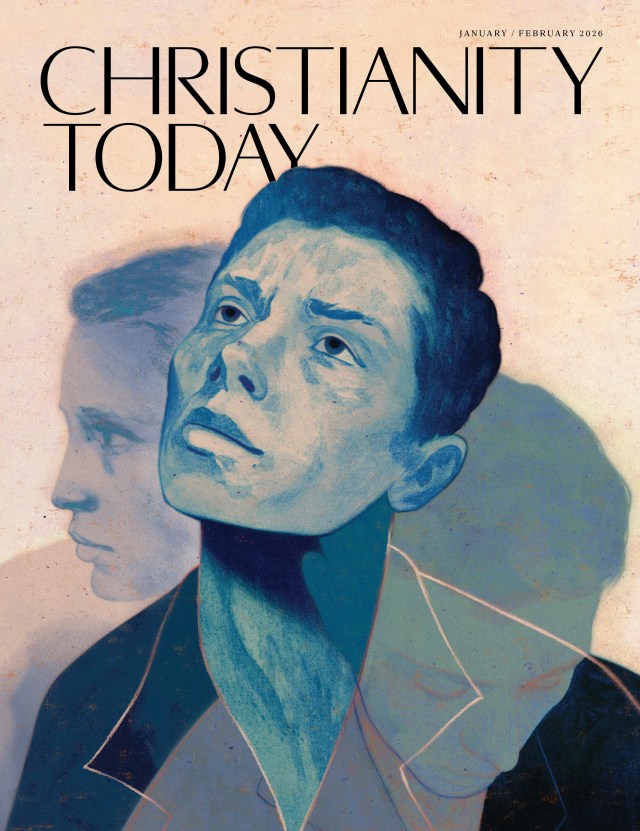
When Jesus taught, he used parables. The kingdom of God is like yeast, a net, a pearl. Then and today, to grasp wisdom and spiritual insight, we need the concrete. We need stories. In this issue of Christianity Today, we focus on testimony—the stories we tell, hear, and proclaim about God’s redemptive work in the world. Testimony is a personal application of the Good News. You’ll read Marvin Olasky’s testimony from Communism to Christ, Jen Wilkin’s call to biblical literacy, and a profile on the friendship between theologian Miroslav Volf and poet Christian Wiman. In an essay on pickleball, David Zahl reminds us that play is also a testament to God’s grace. As you read, we hope you’ll apply the truths of the gospel in your own life, church, and neighborhood. May your life be a testimony to the reality of God’s kingdom. |
|
more from christianity today |
|
CHRISTIANITY TODAY WEEKLY: CTWeekly delivers the best content from ChristianityToday.com to your inbox each week. |
|
CT PASTORS: Each weekly CT Pastors issue equips you with the best wisdom and practical tools for church ministry. |
|
Each issue contains up-to-date, insightful information about today’s culture, plus analysis of books important to the evangelical thinker. |
|
Delivered free via email to subscribers weekly. Sign up for this newsletter. |
|
You are currently subscribed as npy7hz0ktx@nie.podam.pl. Sign up to more newsletters like this. Manage your email preferences or unsubscribe. |
| | |