| Forwarded this email? Subscribe for more |



 |
| By The Free Press |
It’s Monday, March 2. This is The Front Page, your daily window into the world of The Free Press—and our take on the world at large. Today: Why the strikes against Iran are really about China. How Western obituaries soft-pedaled the blood on Khamenei’s hands. Tyler Cowen explains the real meaning of the fight between the Pentagon and Anthropic. And more.
But first: What happens if the war against Iran goes badly?
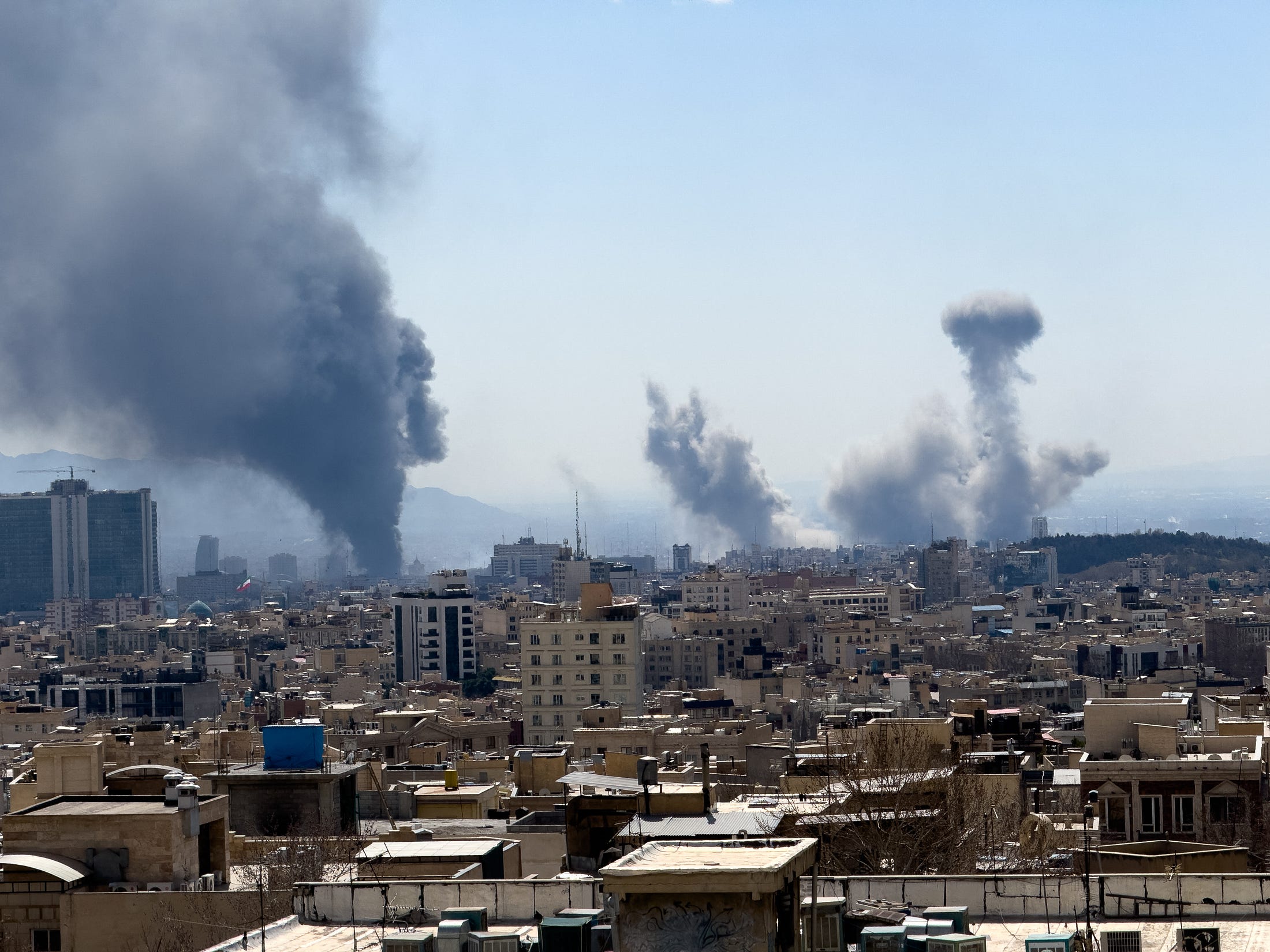
Since the strikes against Iran began Saturday morning, we’ve focused our coverage on the strategy behind the bombing that led to the death of Ayatollah Khamenei, the prospect of regime change, and what that could mean not just for Iran but the Middle East. This morning, we start with two pieces that focus on how the war is playing here in the U.S.
First up is contributing writer Elliot Ackerman, who, as a Marine, fought in the Iraq War. He notes that according to a recent Reuters poll, only one in four Americans supports the strike against Iran. In terms of domestic politics, Ackerman writes, “Trump has little margin for error.” And in his view, the chances of an error—of this war going wrong, as happened in both Iraq and Afghanistan—are high. As he put it, “It is possible to imagine [Trump’s] strategy going right. . . . It is also possible to imagine all of this going wrong.”
Elliot makes the case against the war, and his sober analysis deserves a thoughtful read:
While Elliot’s view is informed by America’s attempt at regime change in Iraq, Niall Ferguson argues that all the signs show 2026 will not be a rerun of 2003. If you missed his initial essay on the strikes, read it here:
Meanwhile, Daniel McCarthy, the editor of Modern Age and a member of the dovish wing of the conservative movement, dissects how the strikes are playing—and are likely to play—with the president’s base. Noting that some of Trump’s prominent MAGA supporters feel the president has abandoned his “America First” stance, he asks: “Will Republican voters in November’s midterm elections be as willing to give the president the benefit of the doubt as Republicans in Congress are? Or will they feel as ill-used as many of MAGA’s online influencers do?” Read his answer here:
 |
Up next: the media wringing its hands over Khamenei’s death—and the Iranians celebrating.
When the U.S. and Israeli strikes took out Ayatollah Ali Khamenei, the world had one less tyrant. His legacy is drenched in blood—the blood of Israelis who died at the hands of Iranian proxies like Hamas and Hezbollah, the blood of Americans killed in Iranian attacks on U.S military facilities, and most of all, the blood of his own people who were killed by the thousands when they rose up in protest. But some of the obituaries in the Western press told a very different story. Maya Sulkin writes on how Khamanei’s obituaries whitewashed a terrorist’s legacy.
While the media wrung their hands, Iranian Americans could not have been happier that Khamenei was killed in an Israeli strike. In cities across the U.S., thousands flooded the streets to celebrate his death, and voice their hope that freedom for their country might finally be at hand. Jonas Du hit the streets of Washington, D.C., to hear their harrowing stories and witness their relief firsthand.
|
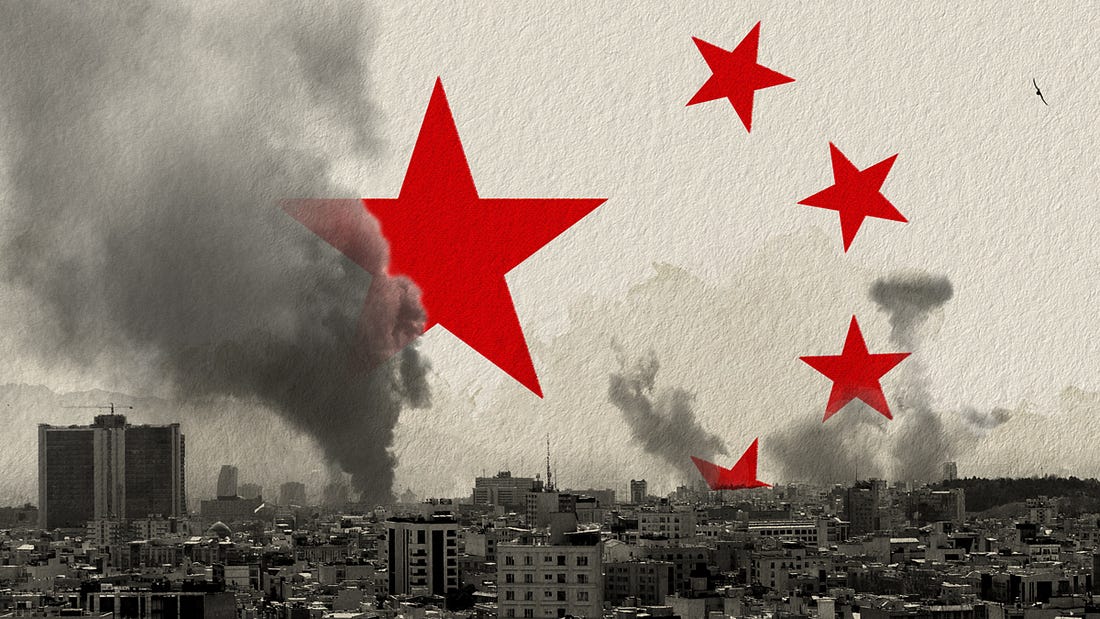
The Iran Strike Is All About China | ||||
 | ||||
|
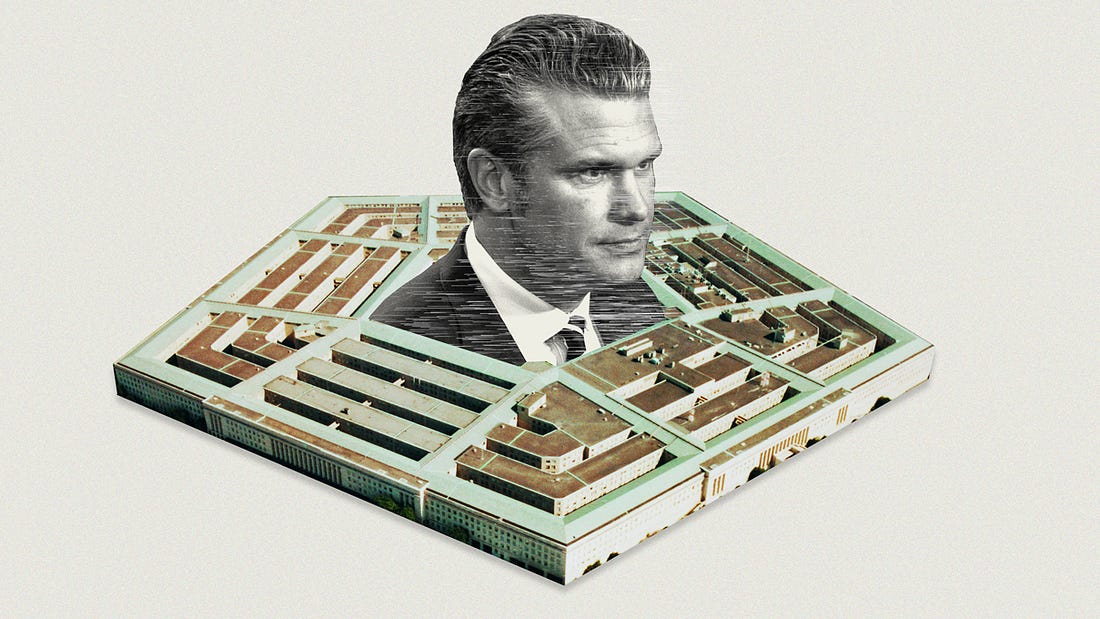
In the Pentagon Battle with Anthropic, We All Lose | ||||
 | ||||
|
Tough Love: Can I Tell My Daughter She’s Fat? | ||||
 | ||||
|