From the Maurice R. Greenberg Center for Geoeconomic Studies |
|
|
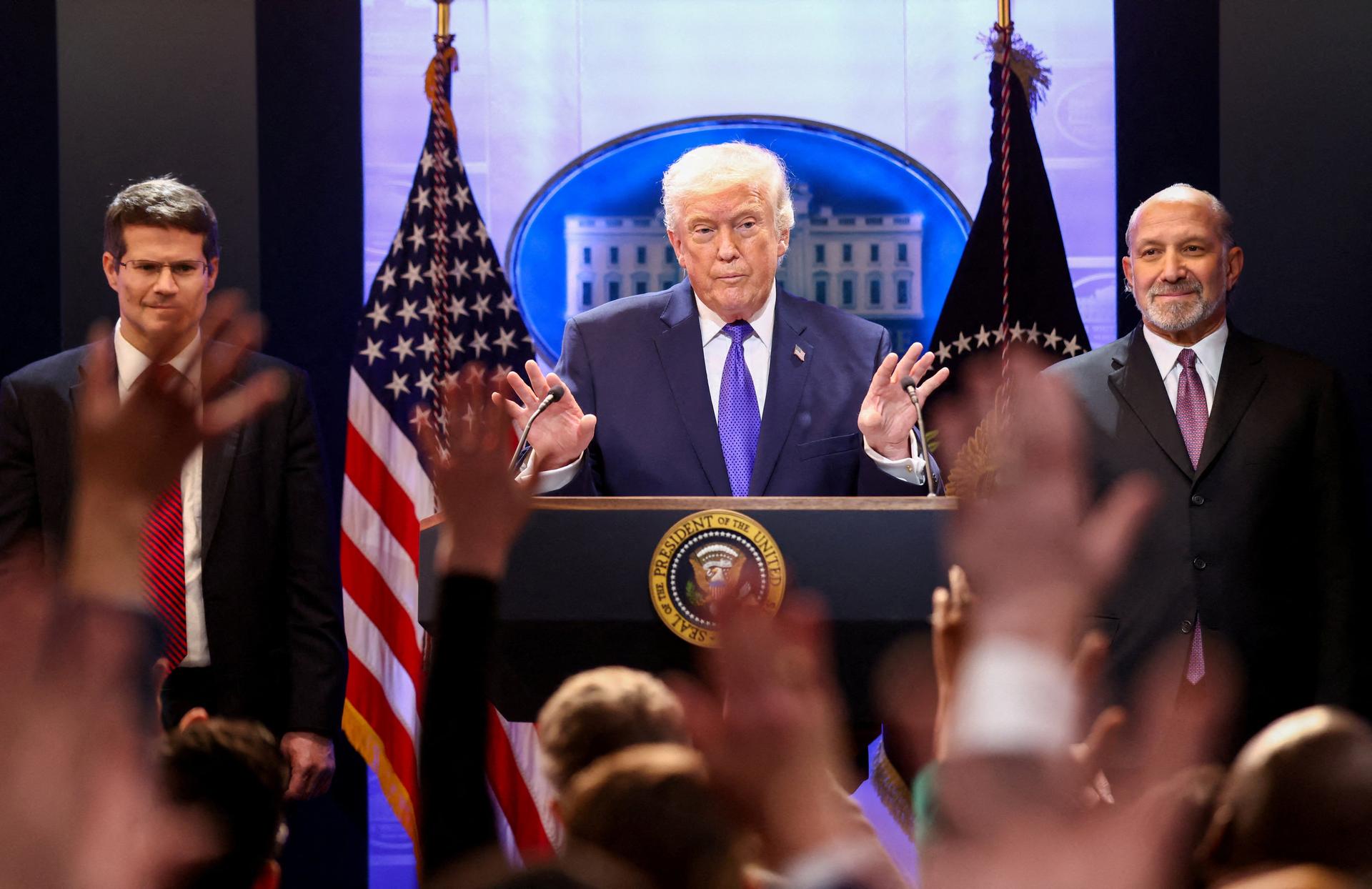
CFR President Michael Froman analyzes the aftermath of a Supreme Court decision that struck down tariffs imposed under the International Emergency Economic Powers Act. Read his analysis |
|
|
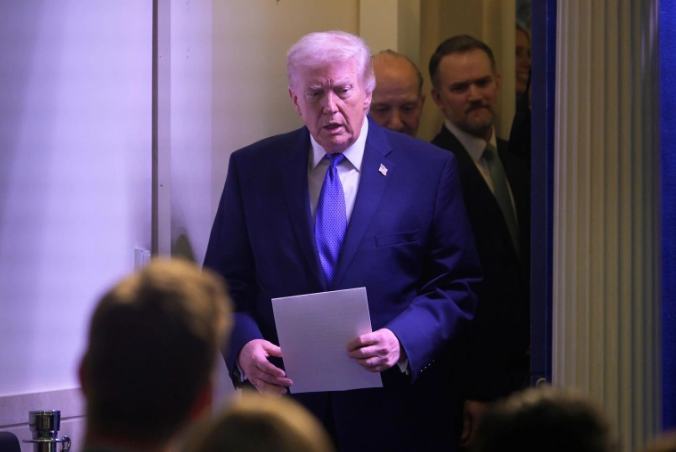
The court’s six-to-three ruling is a major victory for congressional authority, but its reach is narrow. It leaves most existing tariffs intact and opens new fights over tariff refunds, other tariff authorities, and trade-deal stability, argues CFR Fellow Jennifer Hillman. Read more
|
| |
|
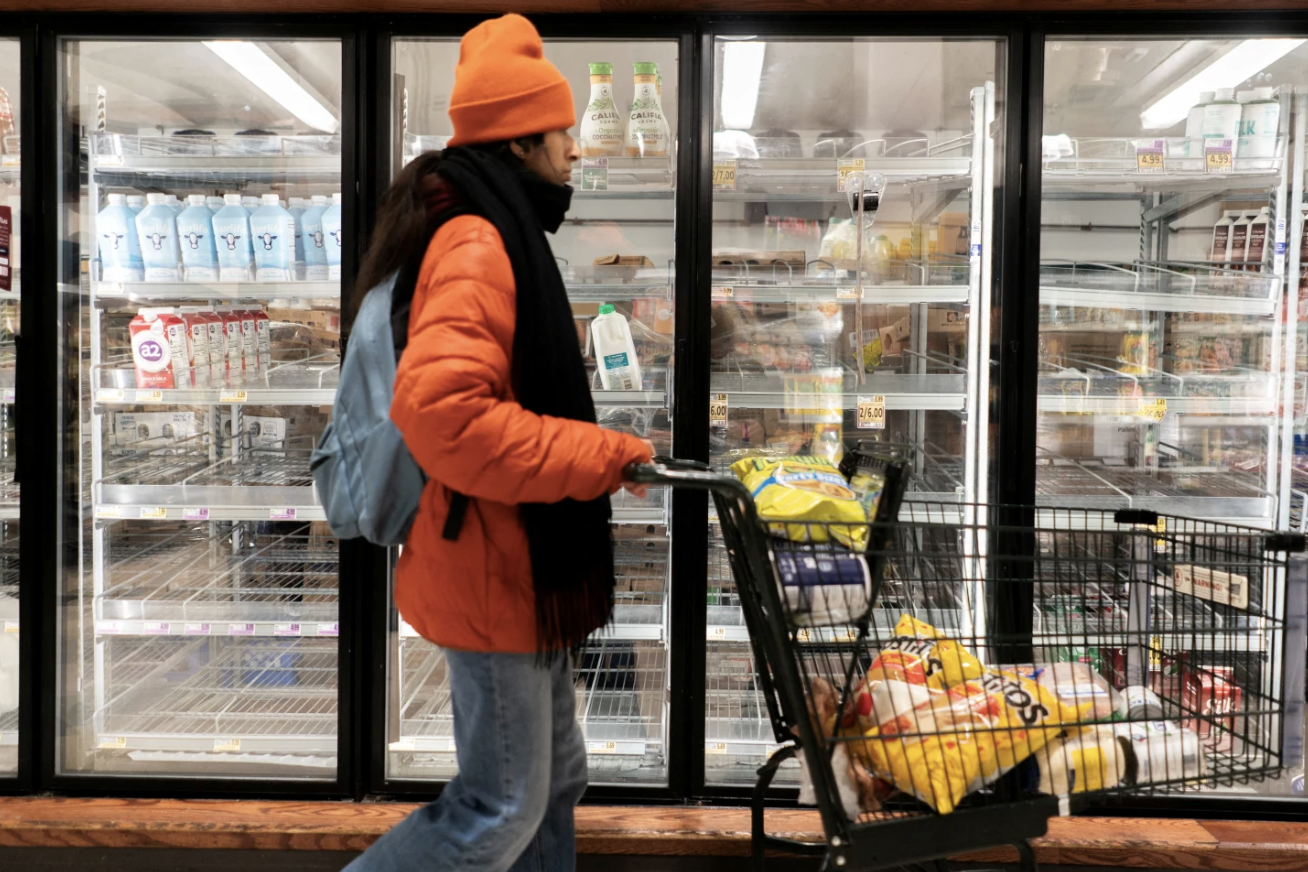
Lowering tariffs could be an effective way for the Trump administration to address voters’ cost-of-living concerns, even if actual price trends reflect a more complex set of drivers, argue CFR Fellow Rebecca Patterson, Associate Director for Geoeconomics Allison J. Smith, and Research Associate Ishaan Thakker, informed by findings of a January 2026 CFR opinion poll conducted in partnership with Morning Consult. Read more
|
| |
|
Trade is seen as mutually beneficial, but Americans’ views on tariffs are more partisan. They largely understand how tariffs work and what they do—and although they are open to some trade protections, they prefer cooperation over confrontation and want clear limits on how far those measures go, observe CFR Fellow Inu Manak and Smith. Read their analysis of the polling
|
| |
|
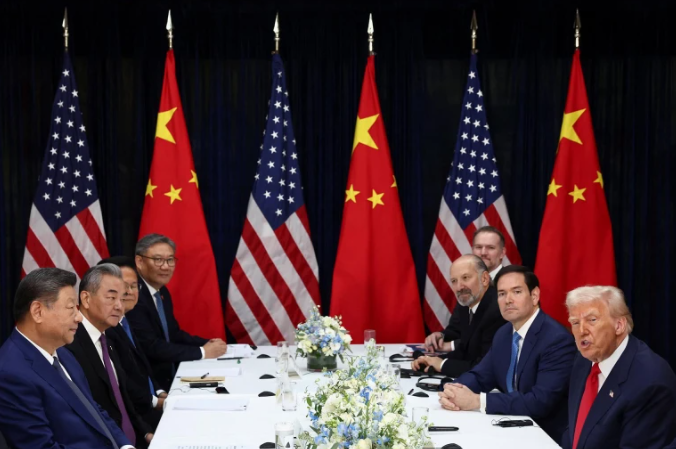
Washington retains formidable tools of pressure, but deploying them will require more consensus, more procedure, and more time. Beijing, for its part, gains a modest tactical advantage but not a strategic reprieve, writes CFR Fellow Zongyuan Zoe Liu. Read her take
|
| |
|
The Supreme Court has ruled against President Donald Trump’s use of tariffs, but the president has other methods and authorities available to him that could keep his trade agenda alive, explains Manak. Read more
|
| |
|
| Trade Fun Fact
In 2024, what share of fully assembled golf carts imported by the United States came from China? Answer at the bottom of the newsletter |
| |
|
Edward Fishman, senior fellow and director of the Maurice R. Greenberg Center for Geoeconomic Studies, sits down with Patterson and Sebastian Mallaby to discuss the role of Europe in the unfolding new world order, as well as lessons from Brazil, China, and India on navigating the U.S. trade war.
|
| |
|
Featured From the Greenberg Center |
|
|
Alibaba and Baidu were added to the Department of Defense’s 1260H list—the government’s official roster of firms that it says serve the Chinese military. Investors barely responded, but when political winds shift, the 1260H list can quickly become more than just a warning label, argues CFR Fellow Jonathan E. Hillman. Read his take for Barron’s
|
| |
|
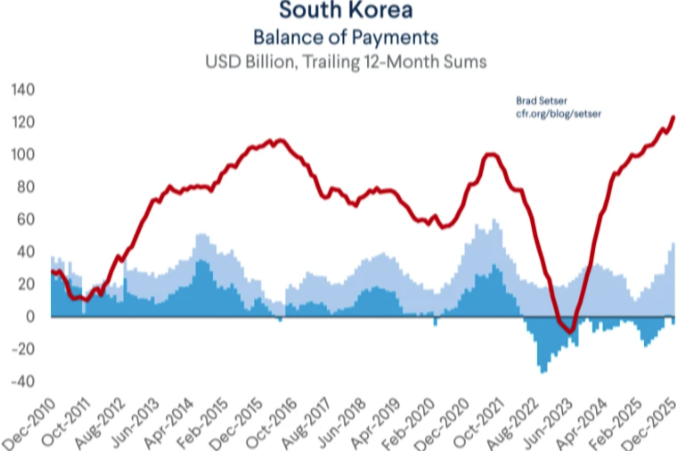
Korea’s record current account surplus was offset by large equity outflows. This marks a new era for U.S. balance of payments, visualizes CFR Fellow Brad W. Setser. Check out the data
|
| |
|
A look back at the defining political episodes of the nearly eighty years since the United States built the global trading order sheds light on how steep the challenges will be for any future administration hoping to restore it, observes CFR Fellow Benn Steil for the Dispatch. Read the piece
|
| |
|
This tracker by Steil allows readers to gauge trends in energy use across the globe through time. On average, 89 percent of tracker countries’ energy comes from high-carbon sources such as oil. Low-carbon sources, however, are on the rise, particularly in developed countries. Hover over the charts to see countries’ consumption data.
|
| |
|
|