| | The US claims near-total dominance of Iranian airspace, the conflict hits energy and shipping worldw͏ ͏ ͏ ͏ ͏ ͏ |
| |  | Flagship |  |
| |
|
The World Today | 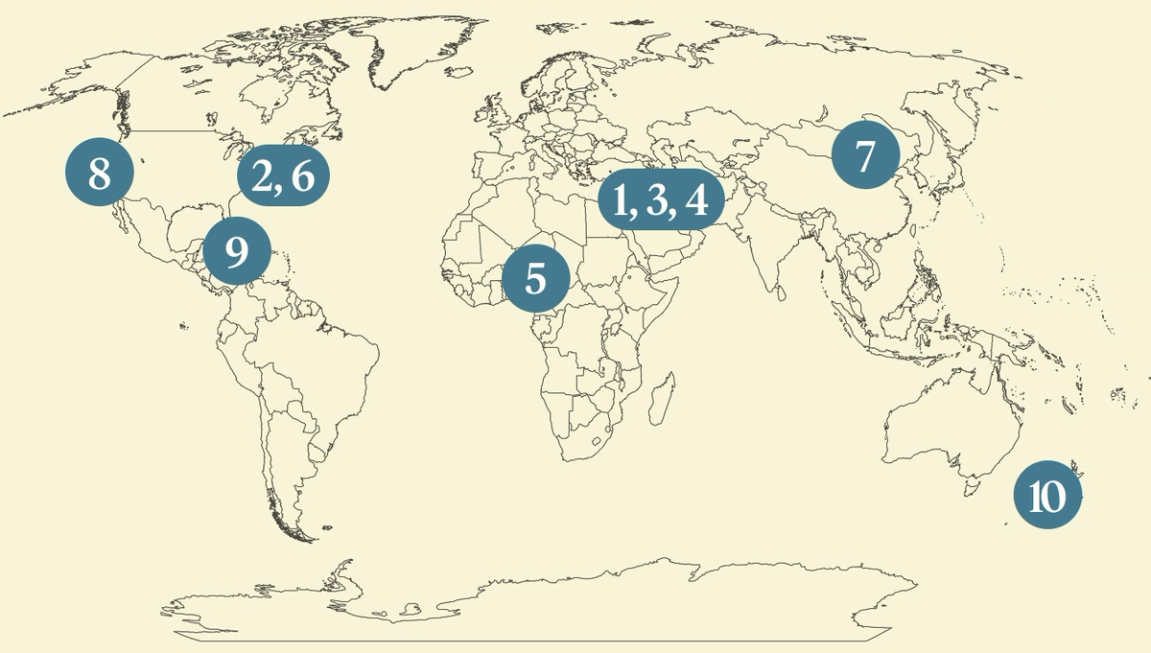 - US claims air dominance
- War powers move fails
- Energy crunch intensifies
- US reportedly courts Kurds
- Africa’s Iran exposure
- New US tariffs expected
- China cuts growth target
- Anthropic in DoD talks
- Huge blackout in Cuba
- Rare parrot’s reprieve
 A 1980s graphic novel about nuclear war that traumatized a generation. |
|
US claims Iran air dominance |
 Aftermath of a strike in Tehran. Majid Asgaripour/WANA via Reuters Aftermath of a strike in Tehran. Majid Asgaripour/WANA via ReutersThe US will shift focus to striking targets deeper within Iran after having taken almost complete control of the country’s airspace, Washington’s defense secretary said. American forces were also keen to destroy Iran’s navy to protect shipping through the Persian Gulf, sinking an Iranian warship in the Indian Ocean. The change in priorities came as the war expanded further beyond Iran’s borders, with NATO forces intercepting a missile in Turkey, Azerbaijan accusing Tehran of firing a drone at its biggest airport, and Gulf capitals again coming under attack. Increasingly, “the possibility of [the war’s] expansion, into Asia and elsewhere, is no longer theoretical,” a geopolitical analyst wrote in The Diplomat. |
|
Senate war powers measure defeated |
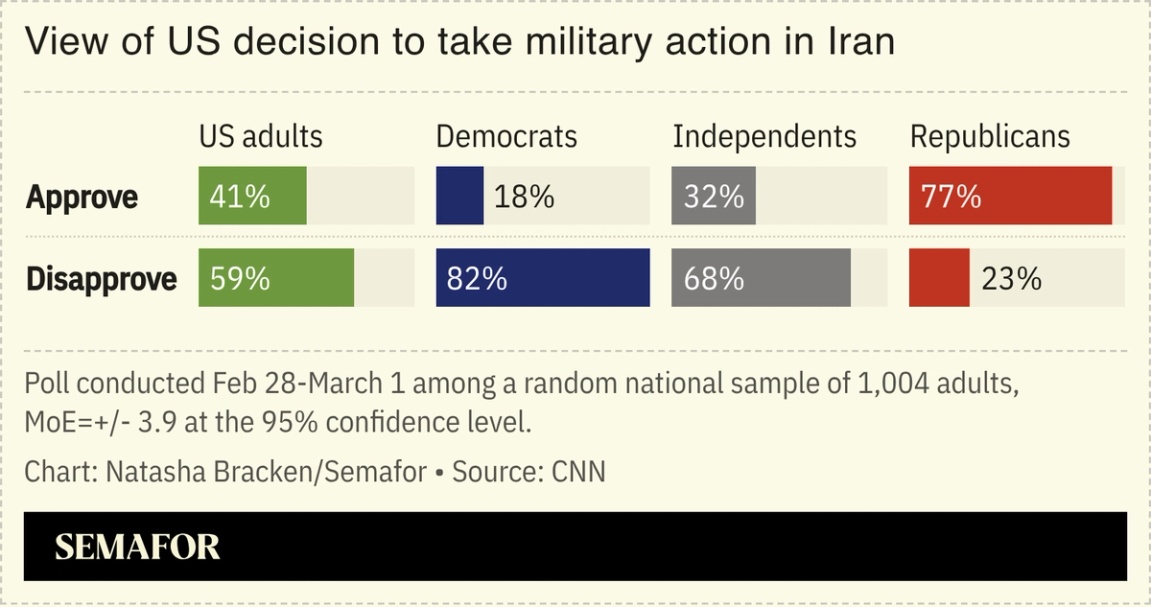 The US Senate voted down a measure to stop the war in Iran. Supporters of the resolution argued that US President Donald Trump exceeded his authority by starting the conflict; the Constitution says that only Congress can declare war. One senator said the White House “could produce no evidence” of an imminent threat. The House of Representatives will vote on a separate such effort today, though that, too, faces obstacles. If any legislative effort were to succeed, it would likely be largely symbolic — Trump could veto, absent a two-thirds Senate majority. Though lawmakers are largely voting along party lines on the issue, it remains unpopular in the country: About 60% of Americans oppose the attacks, three separate polls found. |
|
Iran strikes cause energy crunch |
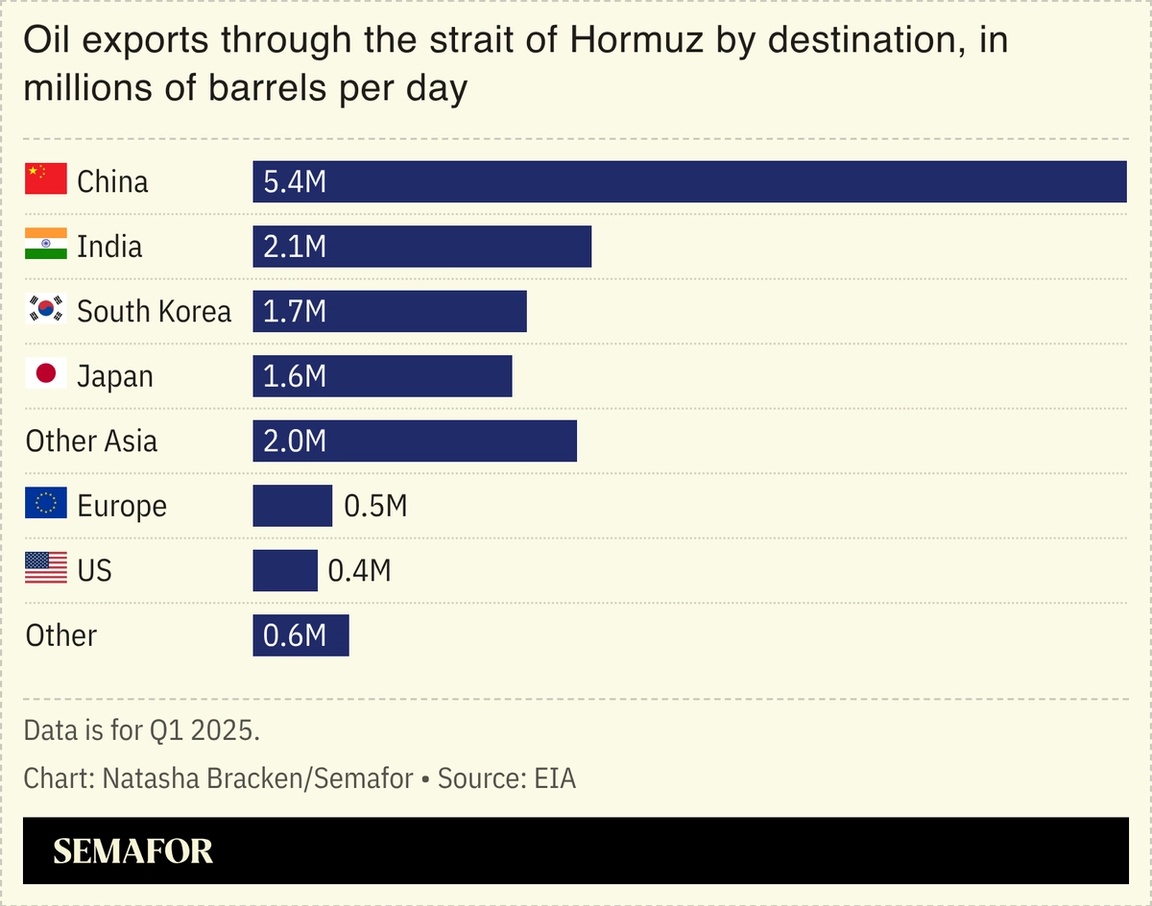 The Iran conflict is changing the flow of energy around the world. Oil and gas prices have spiked since the strikes began, as the conflict hit both Iran’s own exports and shipping through the Strait of Hormuz. Beijing has told its oil refiners to suspend selling overseas, prioritizing domestic needs, and Europe faces another energy crisis, with gas prices up 70% since Friday; the continent is “only coming out of an industrial energy crunch” from Russia’s invasion of Ukraine, and “now we’ve got the next one,” an analyst told the Financial Times. Cargo shipping more broadly is also struggling: The freight giant Maersk imposed emergency price hikes on shipments, as the fighting forces it to take longer, costlier routes. |
|
US reportedly talks with Kurds |
 Stringer/Reuters Stringer/ReutersIran struck the Iraq-based headquarters of Kurdish opposition forces, amid reported discussions between the fighters and Washington over allying in the attack on Tehran. Kurds make up about a tenth of Iran’s population, and the ethnic group’s other national factions in Iraq and Syria have allied with the US in prior decades to fight those countries’ rulers. Senior Kurdish leaders denied having made any ground incursion into Iran thus far, but several outlets reported that Iranian Kurdish groups were in talks with Washington, which is mulling arming the militias in order to help overthrow Iran’s leadership. The strategy is a risky one, though, with a leading Iranian American historian telling The National that it was “a recipe for civil war.” |
|
Iran conflict’s African impacts |
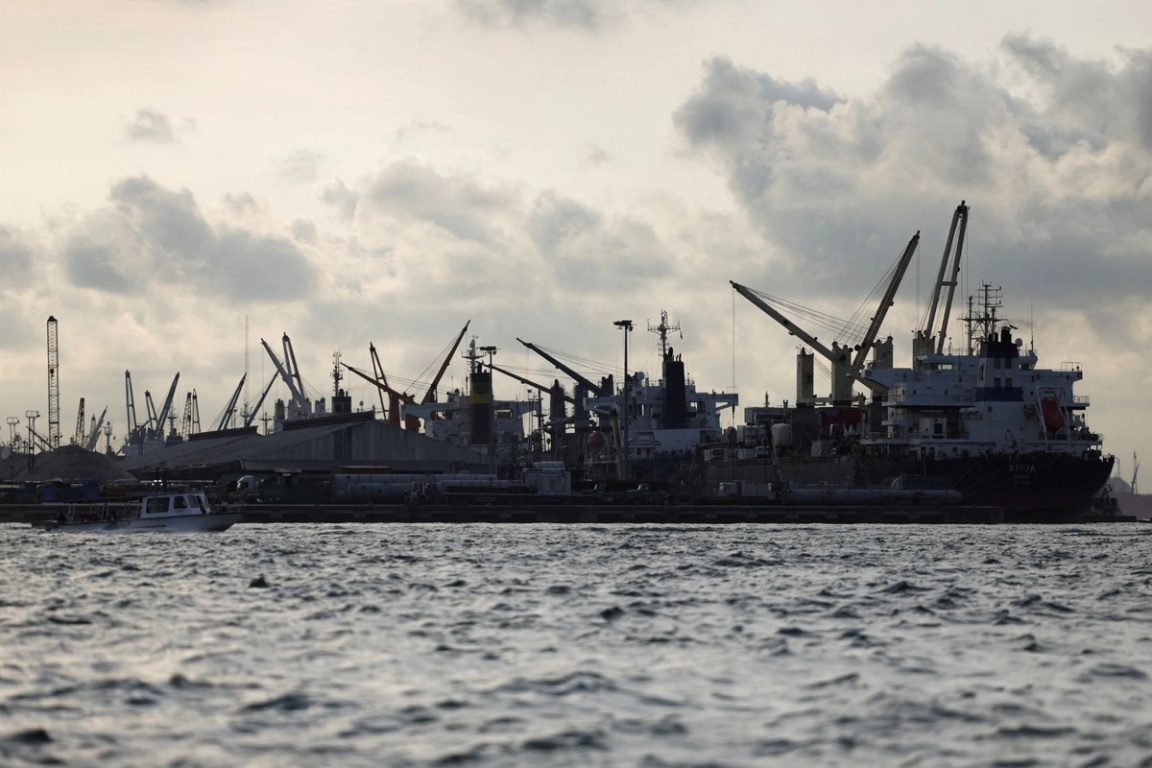 Sodiq Adelakun/Reuters Sodiq Adelakun/ReutersThe war in the Gulf has left African nations particularly exposed to surging energy prices, threats to remittances, and air travel chaos. Multiple sub-Saharan African countries had seen credit-rating upgrades in recent months thanks to improving fiscal situations, falling global interest rates, and accelerating economic growth. But most — even oil producers such as Nigeria — still import refined fuels, leaving them vulnerable to energy-price swings, and many are reliant on transfers from migrants living in the Gulf: In 2024, inbound remittances across the continent from abroad were roughly equivalent to foreign direct investment. And attacks on Gulf hubs have hit African air travel, which remains small by global standards and relies on the region for connectivity elsewhere. |
|
US global tariffs to return |
|
Beijing’s lowest-ever growth target |
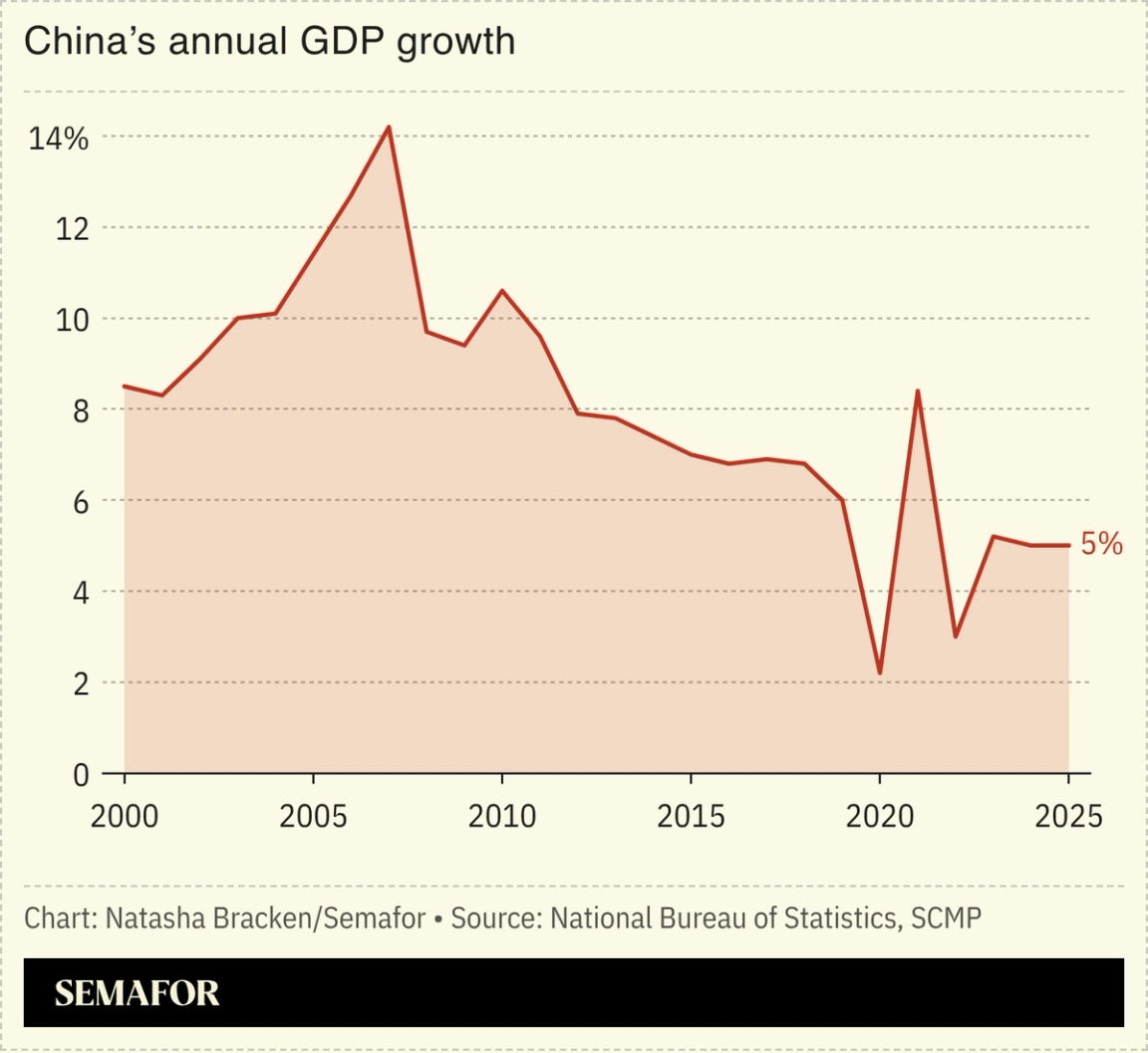 China cut its growth target, closing a decades-long chapter of breakneck expansion, but maintained a focus on high-tech advancement, defense modernization, and economic self-reliance. The new aim of between 4.5% and 5% this year is the lowest on record, with the country’s premier saying that “while acknowledging our achievements, we are also keenly aware of the difficulties and challenges we face.” Policymakers at the annual “Two Sessions” meetings in Beijing prioritized innovation, domestic consumption, and improving security, with defense spending in particular outpacing GDP growth. And the focus on moving up the tech value chain likely means that “sectors such as AI, semiconductors, and cloud computing will likely continue to benefit from outsized investment,” ING’s China chief economist wrote. |
|
 On Thursday, March 19, Gretchen Rubin, happiness expert, will join Semafor for The State of Happiness in 2026: Wellbeing in the Digital Age. The 2026 World Happiness Report, powered by new global data from Gallup, reveals striking generational shifts in wellbeing. From rising loneliness to changing patterns of social connection, the findings challenge assumptions about technology, social media, and happiness. In partnership with Gallup, Semafor will bring together leaders across research, policy, media, and technology to explore what the evidence means — and how institutions and communities can foster deeper connection in a rapidly evolving digital world. Join us for a forward-looking conversation on resilience, belonging, and the future of human connection. March 19 | Washington, DC | RSVP |
|
Anthropic’s attempt to save DoD deal |
 Anthropic’s CEO. Bhawika Chhabra/File Photo/Reuters Anthropic’s CEO. Bhawika Chhabra/File Photo/ReutersAnthropic began last-ditch talks to save its deal with the US Department of Defense and avoid being designated a supply-chain risk. The firm’s relationship with the Pentagon broke down over the use of its AI products in domestic surveillance and fully autonomous weapons, but its chatbot Claude is still being used to plan attacks on Iran. The negotiations may be hindered by an internal memo from the Anthropic CEO saying it had been frozen out for not giving “dictator-style praise to [US President Donald] Trump.” It has also been hampered by its own investors failing to back it, Semafor’s technology editor reported. Meanwhile, talks began in Geneva between 128 nations to establish an international framework regulating the use of semi-autonomous weapons. |
|
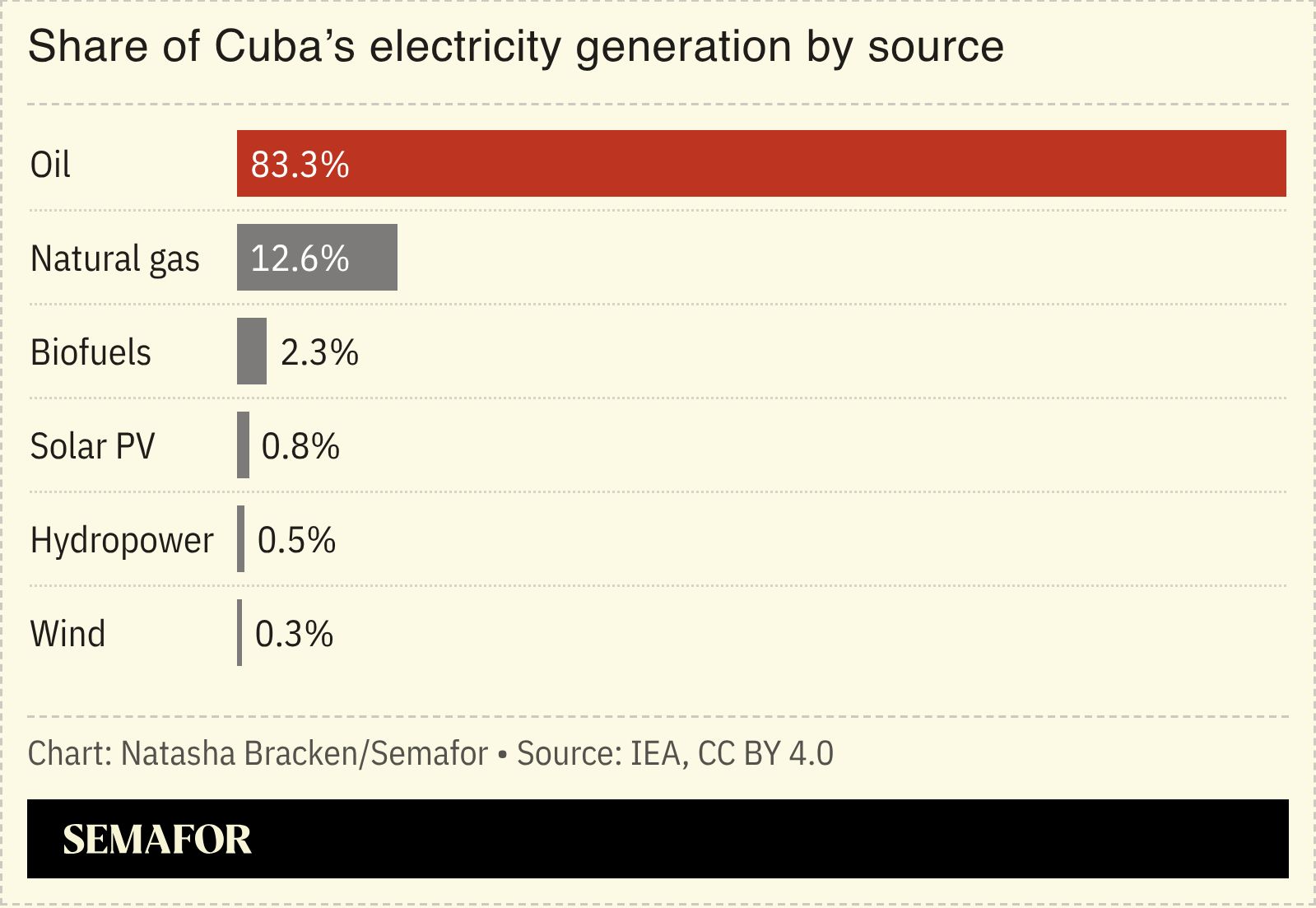
Cuba blackout as energy grid crumbles |
|
|