| | The Iran war expands, the energy shock becomes more apparent, and the Gulf’s efforts to present itse͏ ͏ ͏ ͏ ͏ ͏ |
| |  Abu Dhabi Abu Dhabi | Caracas |  New Delhi New Delhi |
 | Flagship |  |
| |
|
The World Today | 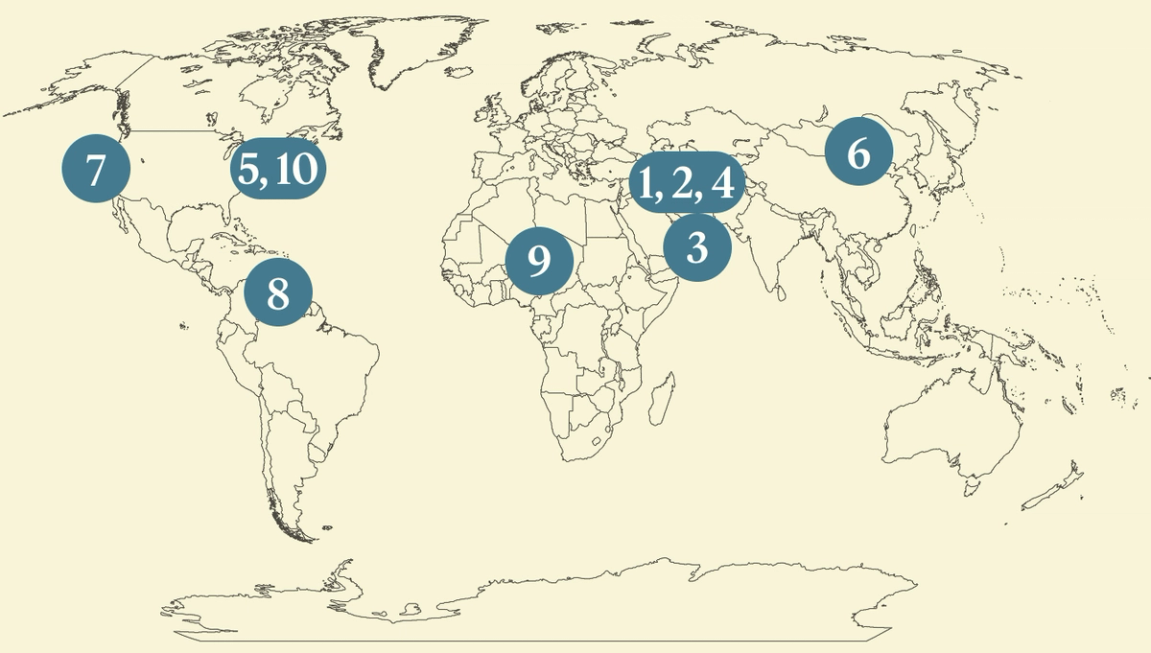 - Iran war expands
- Energy shock to economy
- Gulf’s volatility reminder
- Need for peace plan
- DoD’s Anthropic move
- China’s AI race struggles
- AI writes microbe genome
- Venezuela, US restore ties
- US looks to Sahel juntas
- Lots of black holes
 A Guggenheim exhibition that transcends ‘conventional notions of time and space.’ |
|
Stakes get higher in Middle East war |
 Majid Khahi/ISNA/WANA via Reuters Majid Khahi/ISNA/WANA via ReutersThe US said it would expand its aerial campaign against Iran, Israel stepped up strikes against Tehran, and the Islamic Republic attacked regional capitals — with little sign of respite in the week-long conflict. Riyadh and Doha said they intercepted drones, Dubai residents received missile alerts on their phones, and hotels were targeted in Manama; Iran fired upon Israel, while Israeli forces hit Lebanon. If anything, the multi-front conflict looked set to intensify, with Emirati officials reportedly mulling freezing billions of dollars worth of Iranian assets. The fallout undermined Washington’s case that neutering Iran would promote stability, one analyst wrote in Foreign Affairs: “The outcome of this war will likely fall far short of these rosy expectations.” |
|
War’s energy, economy impacts |
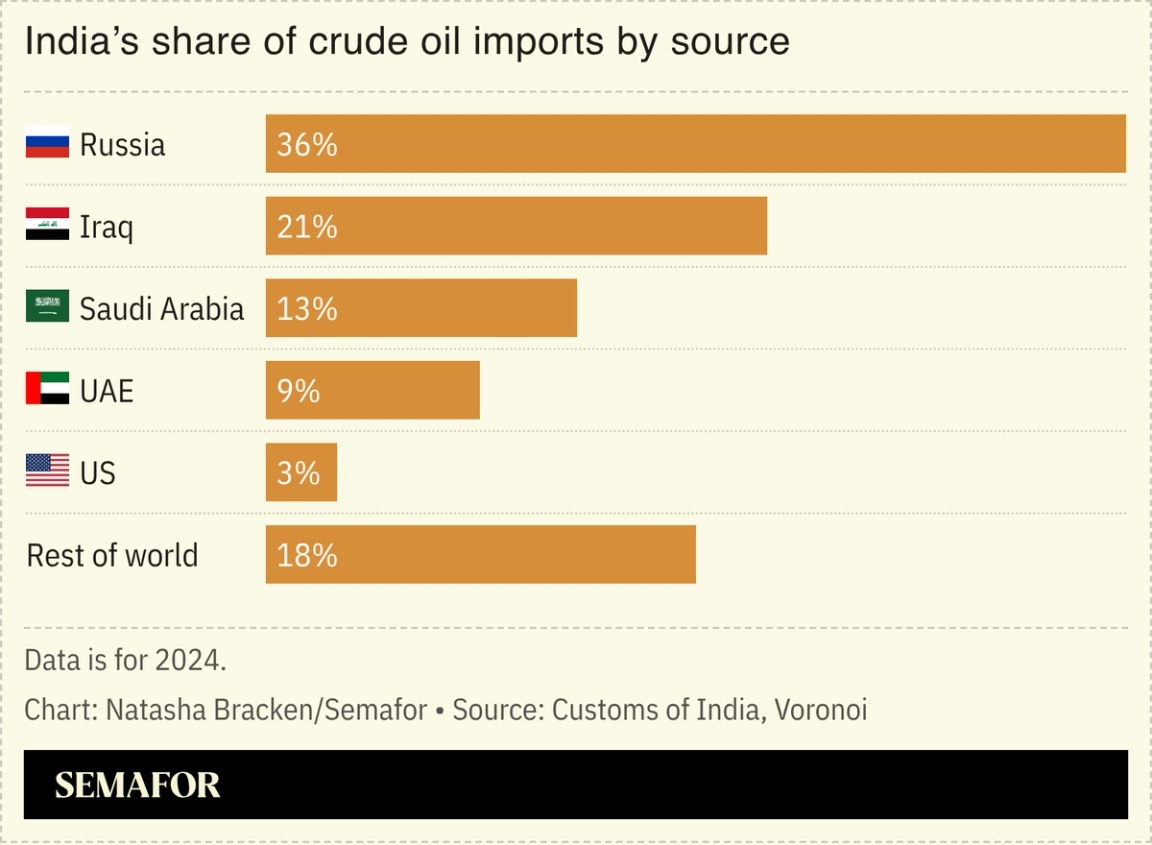 The Iran war is driving energy prices up and hurting economies worldwide. Qatar’s energy minister told the Financial Times regional exporters may have to shut down oil and gas production within days, that oil prices could nearly double from their current level, and the war might “bring down the economies of the world.” The US, meanwhile, agreed a 30-day waiver allowing India — heavily dependent on oil from the Middle East — to buy Russian oil. China, Japan, South Korea, and Thailand are also vulnerable to what has in effect been a closure of the Strait of Hormuz. The US itself has significantly depleted oil reserves following Russia’s 2022 invasion of Ukraine, and prices at the pump are rising. |
|
Gulf haven push undermined |
|
Urgent need for post-war plan |
 Majid Asgaripour/WANA/Reuters Majid Asgaripour/WANA/ReutersIran and the US have made overtures to end their widening war, though officials are skeptical that either side is ready to seek peace. Tehran has reportedly sought negotiations after the conflict erupted, although its leaders have publicly remained defiant. Earlier this week, US President Donald Trump said he had agreed to talks, but has since said that it is now “too late.” Even the possibility of an imminent truce, though, highlights the need for a plan for the peace. Trump had suggested Iranians would overthrow their government, but lately hinted that regime moderates could take over. US lawmakers have, however, expressed skepticism that there was a meaningful post-war plan. |
|
US DoD backs up Anthropic threats |
 Bhawika Chhabra/Reuters Bhawika Chhabra/ReutersThe US Department of Defense officially designated Anthropic a supply chain risk, after repeatedly threatening to do so. The designation is usually reserved for firms in unfriendly countries, such as China’s Huawei, and theoretically means Anthropic cannot work with any companies with military contracts. But its chatbot Claude is deeply embedded in the military’s systems, and removing it will be “painful,” an analyst told Bloomberg: Claude has been used in recent operations in both Venezuela and Iran. Anthropic said it would sue — a lawsuit legal scholars think it would win — and insisted the move would have little impact on its business. A group of former intelligence and military officials wrote an open letter saying the move “sets a dangerous precedent.” |
|
China’s struggles in AI race |
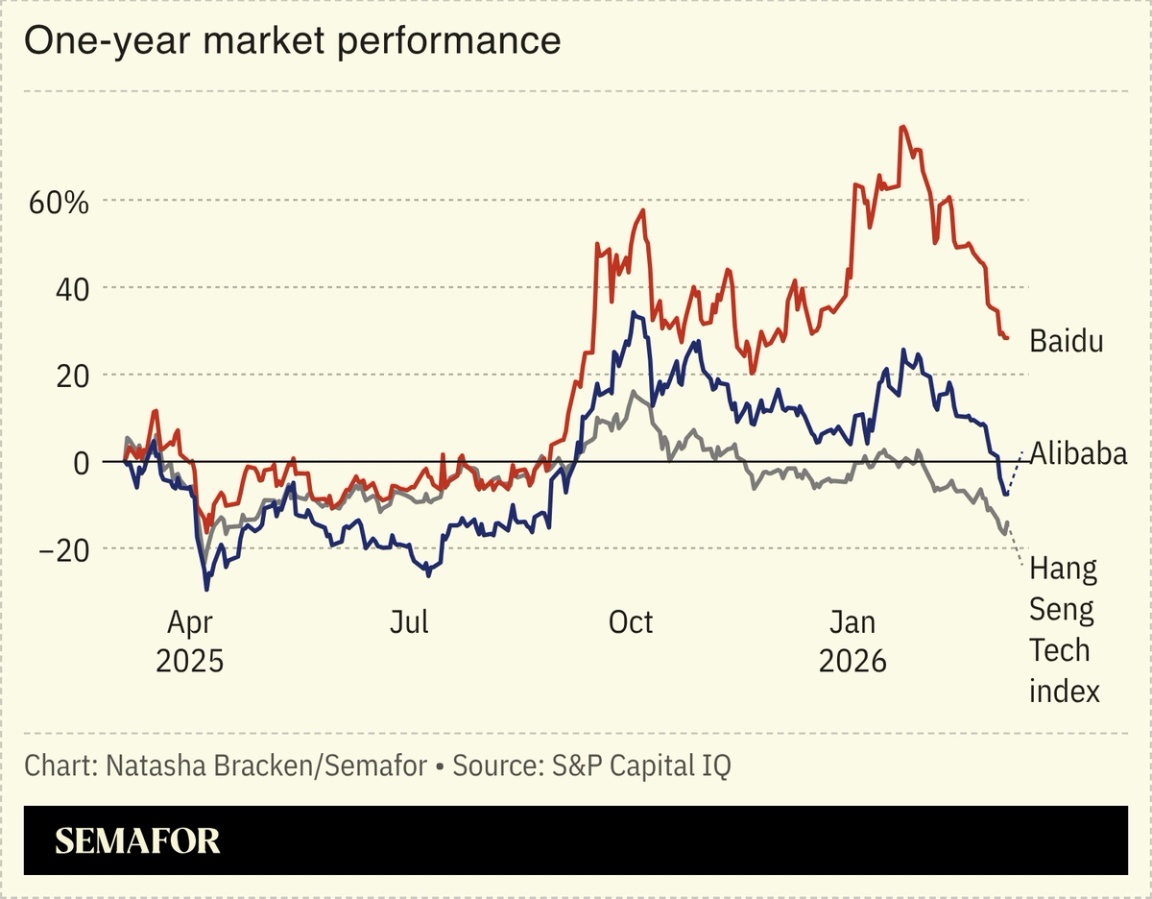 Chinese tech giant Alibaba pledged additional resources in order to accelerate development of foundational AI models, after a third top executive left the company amid signs the country’s technological push is facing obstacles. Lin Junyang’s departure followed remarks he made in January arguing Chinese firms were unlikely to catch up to American rivals because they were “stretched thin just meeting delivery demands.” Separately, Baidu, struggling to generate growth from its hefty AI investments, last week reported a 42% fall in quarterly profit. The news points to a dissonance between headlines about the ostensibly relentless march of Chinese AI firms and the challenges those firms face. “If China AI is so great,” one Bloomberg columnist wrote, “why aren’t its tech stocks?” |
|
AI genomics’ ‘ChatGPT moment’ |
 Bernadett Szabo/Reuters Bernadett Szabo/ReutersAn AI wrote an entire microbial genome. The Evo2 model was trained on 9 trillion DNA letters much as other AIs train on internet text, and when given a chunk of a microbe’s genome, was able to create a plausible-looking version of the rest. The researchers did not synthesize the resulting microbe, and it likely would not have lived if they had — DNA is less forgiving of errors than English text — but they did demonstrate significant control: In a separate experiment, Evo2 wrote DNA sequences that encoded Morse code messages in the shape of the chromosomes. Further advances are needed to create true AI-generated life, but “these AI models are the ‘ChatGPT moment’ for synthetic genomics,” one researcher told Nature. |
|
 Since 2018, Hasan Piker has gone from streaming alone in his bedroom to becoming one of North America’s most influential leftist creators. This week on Mixed Signals, he sits down with Ben and Max to talk about getting older with his audience, the grind of broadcasting all day seven days a week, and whether constant livestreaming changes the way he thinks. Piker also talks about his relationship with Democratic politicians like Zohran Mamdani, and dialing back his rhetoric as he accrues real political power. |
|
US, Venezuela to normalize relations |
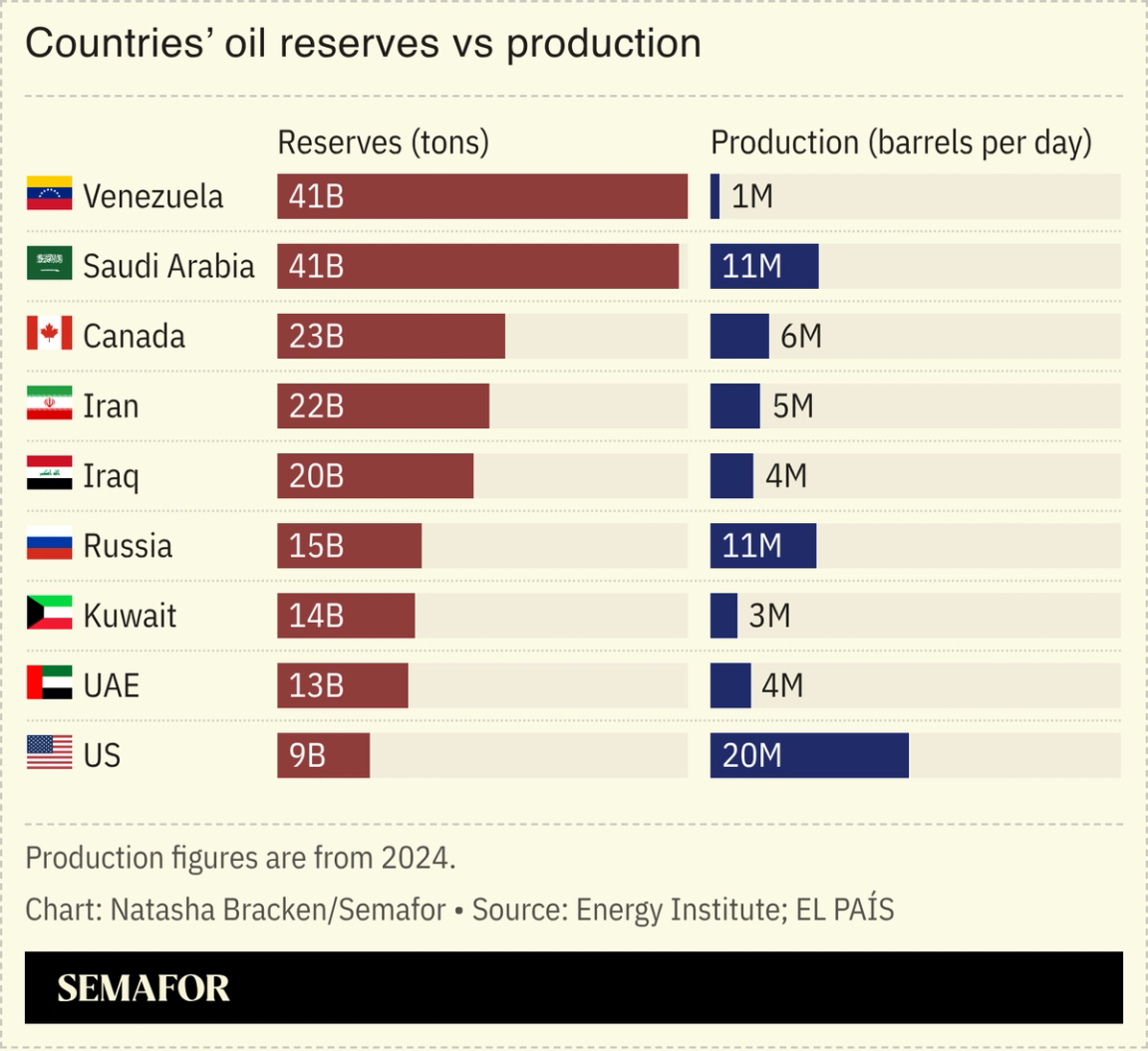 The US and Venezuela agreed to reestablish official diplomatic ties, a landmark moment in the wake of Washington’s ouster of the Latin American nation’s leader. The announcement followed a raft of visits by top US officials, most recently the interior secretary, and a series of moves by Washington to normalize its economic relations with Caracas. Though the agreement officially suggests a peer relationship, the US has in reality been putting huge pressure on Venezuela’s leadership, in particular over the redevelopment of its lucrative oil fields, the world’s largest stated reserves: Washington has in effect exercised control over who Caracas can sell its oil to. |
|
US re-engages with Sahel juntas |
|
|


