Plus: Trump pledged the “free flow of energy” from the Middle East. He has less than a week to show progress before prices really spike again.
 ͏  ͏  ͏  ͏  ͏  ͏  ͏  ͏  ͏  ͏  ͏  ͏  ͏  ͏  ͏  ͏  ͏  ͏  ͏  ͏  ͏  ͏  ͏  ͏  ͏  ͏  ͏  ͏  ͏  ͏  ͏  ͏  ͏  ͏  ͏  ͏  ͏  ͏  ͏  ͏  ͏  ͏  ͏  ͏  ͏  ͏  ͏  ͏  ͏  ͏  ͏  ͏  ͏  ͏  ͏  ͏  ͏  ͏  ͏  ͏  ͏  ͏  ͏  ͏  ͏  ͏  ͏  ͏  ͏  ͏  ͏  ͏  ͏  ͏  ͏  ͏  ͏  ͏  ͏  ͏  ͏  ͏  ͏  ͏  ͏  ͏  ͏  ͏  ͏  ͏  ͏  ͏  ͏  ͏  ͏  ͏  ͏  ͏  ͏  ͏  ͏  ͏  ͏  ͏  ͏  ͏  ͏  ͏  ͏  ͏  ͏  ͏  ͏  ͏  ͏  ͏  ͏  ͏  ͏  ͏  ͏  ͏  ͏  ͏  ͏  ͏  ͏  ͏  ͏  ͏  ͏  ͏  ͏  ͏  ͏  ͏  ͏  ͏ ­ ­ ­ ­ ­ ­ ­ ­ ­ ­ ­ ­ ­ ­ ­ ­ ­ ­ ­ ­ ­ ­ ­ ­ ­ ­ ­ ­ ­ ­ ­ ­ ­ ­ ­ ­ ­ ­ ­ ­ ­ ­ ­ ­ ­ ­ ­ ­ ­ ­ ­ ­ ­ ­ ­ ­ ­ ­ ­ ­ ­ ­ ­ ­ ­ ­ ­ ­ ­ ­ ­ ­ ­ ­ ­ ­ ­ ­ ­ ­ ­ ­ ­ ­ ­ ­ ­ ­ ­ ­ ­ ­ ­ ­ ­ ­ ­ ­ ­ ­ ­ ­ ­ ­ ­ ­ ­ ­ ­ ­ ­ ­ ­ ­ ­ ­ ­ ­ ­ ­ ­ ­ ­ ­ ­ ­ ­ ­ ­ ­ ­ ­ ­ ­ ­ ­ ­ ­  
Fortune 500 Digest with Alyson Shontell
Saturday, March 7, 2026
Foreword
Alyson Shontell
Editor-in-Chief

Within four years, “80% of all jobs will be capable of being done by an AI.”

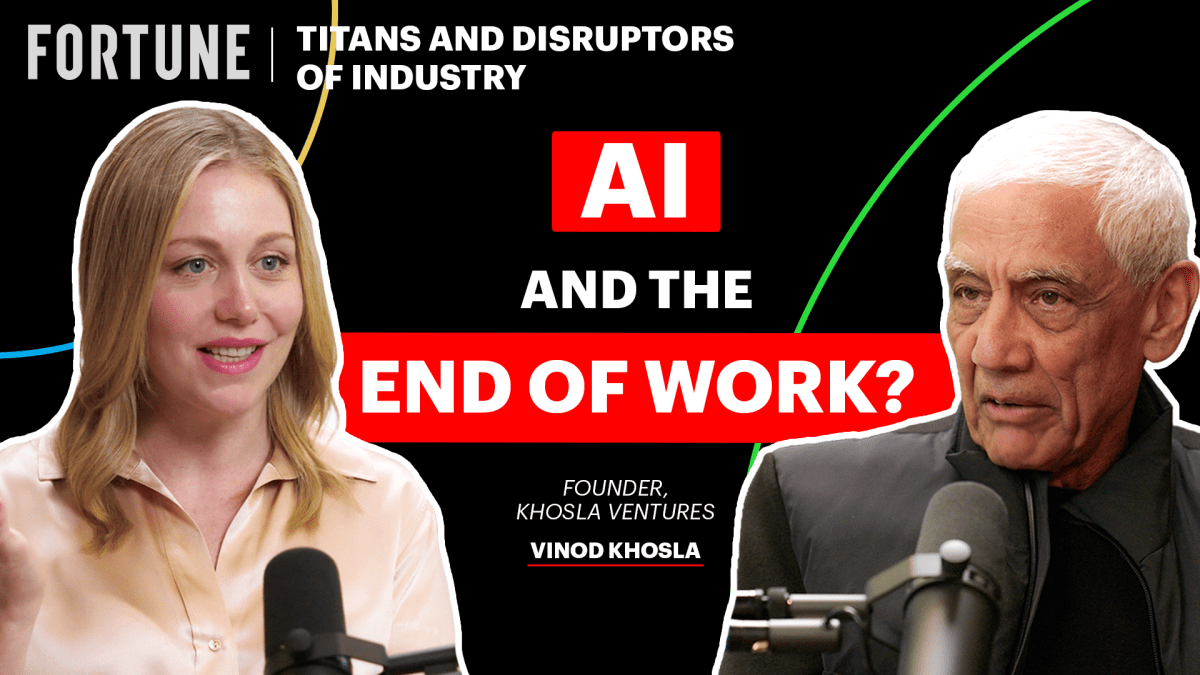
That bold claim was made by Vinod Khosla, the legendary Silicon Valley founder and startup investor, when I met with him for an in-depth interview. Khosla cofounded Daisy Systems and Sun Microsystems, and launched Juniper Networks, before opening his namesake venture capital firm, Khosla Ventures, in the early 2000s. Since then, he and his team have made early bets in Block (No. 179), DoorDash (No. 394), and Instacart, and in 2019, he was the first major backer of OpenAI, putting $50 million in at a $1 billion valuation. The company was recently valued at $780 billion.

After I cited that quote in a column this week, I received a lot of comments complaining that Khosla was drinking the AI Kool-Aid. I do think Khosla was choosing his words carefully—just because the technology is “capable,” it doesn’t mean all that work will be displaced by 2030. Still, a recent Anthropic research chart backs him up: AI is currently far more capable of doing our jobs than we are taking advantage of, across many fields. It’s a sign of what’s likely to come, once the power of the technology is fully realized.

While the idea of a workless future may sound utterly terrifying (Khosla also told me he believes no 5-year-old today will ever need to get a job), the veteran investor paints an optimistic picture of a future that could be more abundant, fulfilling, and equalizing than what we’re dealing with today—if we put the right government policies in place to support society through the AI transition.

His blueprint for abundance:

  1. Extreme deflation. Khosla believes AI and robotics will create a deflationary economy, and that almost all labor and expertise will become free. Because the cost to produce goods will plummet, the amount of money everyone needs to thrive will decrease significantly. He predicts that by 2040, $10,000 could buy you more than a $100,000 income could today—including your house, education, food, and health care.
  2. Taxing capital, not labor. To bridge the gap for those who might be left behind by the AI transition, Khosla proposes a radical restructuring of the tax code. His specific proposal includes eliminating income tax for the majority of people and eliminating the notion of capital gains, treating everything as ordinary income.
  3. National wealth funds for all. Khosla believes a structural change is essential in the next few years. He proposes creating some sort of AI productivity-driven wealth fund for nations, similar to Norway’s Oil Fund. A fund like this could finance a universal basic income of some sort, or pay for “near free” public services, but he notes that every country will handle the solution for their citizens differently.
  4. Equity versus efficiency. While 20th century capitalism was about economic efficiency, Khosla suggests that post-2040 society should “focus on equity” instead. By decoupling survival from employment, AI has the potential to “free us to be more human,” allowing future generations to “follow their passion” rather than working to survive.

For more of Khosla’s predictions, check out my podcast episode with him on Fortune 500: Titans and Disruptors of Industry.

Follow Alyson on X, LinkedIn, TikTok, Instagram, and the Titans and Disruptors vodcast.

Advertisement
Catch Up
Fortune 500 C-suite Power Moves
Cigna (No. 13) announced that CEO David M. Cordani will retire as of July 1 and be succeeded by Brian Evanko, currently Cigna’s President and COO (and former CFO). McKesson (No. 9) announced that EVP and CFO Britt Vitalone will retire, effective May 29. Kenny Cheung, currently EVP and CFO of wholesaler Sysco (No. 56), will succeed Vitalone. Brandon Sewell, SVP and CFO–U.S. Foodservice Operations at Sysco, will succeed Cheung. Delta Air Lines (No. 70) appointed Dan Janki COO, Erik Snell CFO, and Ranjan Goswami Chief Marketing and Product Officer.
And more in this week's Fortune 500 Power Moves.
Advertisement
Oceania Cruises
There are many ways to mark a once-in-a-lifetime moment. Watching a total solar eclipse from a lounge chair aboard an intimate, elegant cruise ship, drink in hand, gala brunch on deck, is certainly one of the better ones. In August 2026, Oceania Cruises will be sailing directly through the path of totality, giving guests a rare celestial vantage point. This particular voyage, part of the 2026 Solar Eclipse: Experience a Celestial Wonder at Sea promotion, embarks in Copenhagen and wraps up in Reykjavik, weaving through storied cities and hidden harbors in Norway, the U.K., the Faroe Islands, and Iceland. Onboard, it’s all-star treatment—from chef-curated cocktails to viewing celebrations that rival the spectacle above.
Book now
Deals & Developments
  • Google, owned by Alphabet (No. 7), faces a new wrongful death and product liability lawsuit alleging that conversations with the company’s Gemini chatbot led a 36-year-old Florida man, Jonathan Gavalas, to stage a “catastrophic accident” near Miami International Airport, among other delusions that ultimately led to his death by suicide. In a statement, Google said it had “deepest sympathies to Mr. Gavalas’ family” and emphasized that Gemini is “designed to not encourage real-world violence or suggest self-harm.”
  • Meta Platforms (No. 22) and News Corp. (No. 414) have struck a licensing agreement under which Meta will pay News Corp. up to $50 million a year to allow its AI models to train on content from the media group’s U.S. and U.K. outlets for at least three years, the Wall Street Journal first reported. News Corp. owns that publication as well as Barron’s, the New York Post, and others.
  • Oracle (No. 87) and OpenAI will no longer expand an AI data center in Abilene, Texas that was planned as part of the companies’ larger Stargate partnership, per Bloomberg. Sources familiar with the matter say Meta (No. 22) is now in talks facilitated by Nvidia (No. 31) to take over the expansion site.
  • Netflix (No. 116) has acquired InterPositive, a developer of AI tools for filmmaking post-production, founded by actor Ben Affleck. The platform doesn’t generate video but instead can help with “missing shots, background replacements, or incorrect lighting,” Affleck said in a statement, adding that the platform was built with “restraints to protect creative intent.” Financial terms were not disclosed.
  • A consortium of investors led by BlackRock’s (No. 210) Global Infrastructure Partners agreed to acquire energy producer AES (No. 343) in a deal valued at $33.4 billion. The acquisition comes as power demands surge, partly to support AI projects.
Overheard
“There’s a little bit of the swagger that we need to bring back.”
—New Target (No. 41) CEO Michael Fiddelke, who shared details of his $6 billion plan to rejuvenate the business in conversation with Fortune’s Phil Wahba.