Bumble Inc. released its full-year 2025
results yesterday, and on first glance it didn’t look good. Revenue took a 10% nosedive last year to less than $1 billion—$966 million, to be precise. Paid users declined 11.5%. The drop-off seems to have accelerated; in the fourth quarter, that revenue drop was even steeper, almost 15%.
Some of this is across the dating industry—Bumble is feeling the pain at both of its flagship apps, Bumble and Badoo. (At competitor
Match Group, which is more than three times Bumble’s size, revenue
was flat year to year.) Some of these challenges are unique to Bumble, which once captured the cultural zeitgeist but has struggled for years to set a lasting strategy or find its footing in among women and Gen Z today.
Yet despite the bad news, Bumble’s stock has risen more than 35% since earnings. Why? Investors are optimistic about the changes Bumble is rolling out. The company
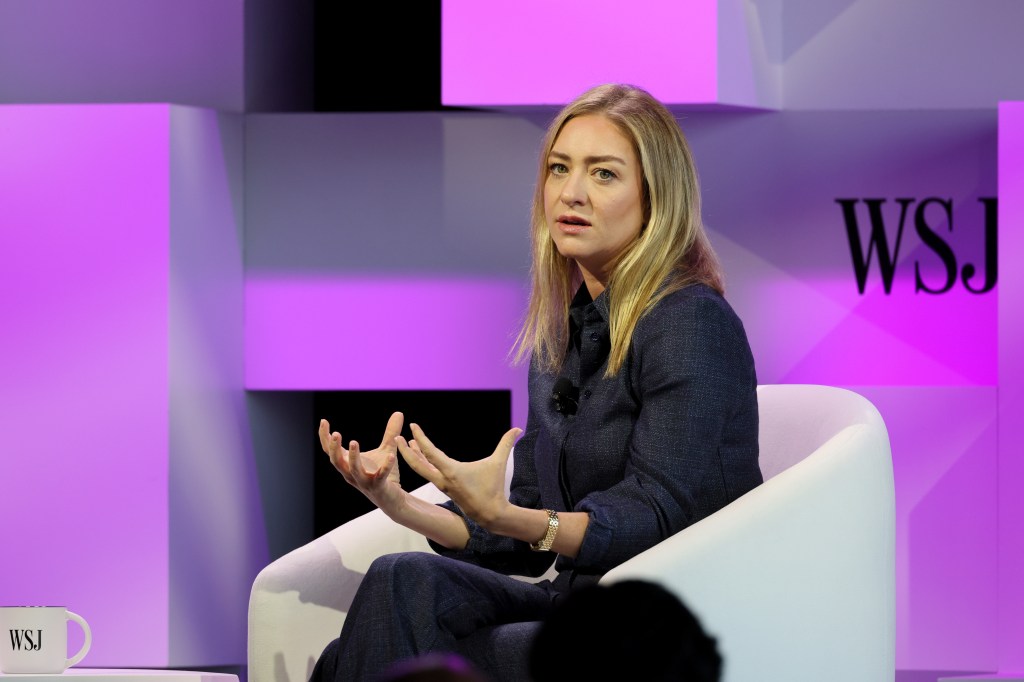
laid off 30% of its workforce in mid-2025. Founder and CEO Whitney Wolfe Herd, who returned to the company a year ago,
told investors yesterday that she cut performance marketing spend by 80%. She described a “deliberate shift away from volume-based acquisition and towards higher-intent, organically driven growth as we return to our roots of brand organic marketing.” “Despite raising the bar on new members and dramatically limiting marketing, Bumble app registrations and active users have stabilized,” she said. She argued that this proved two things: that demand for Bumble is still strong, and that the brand has “tremendous affinity” with Bumble’s target audience.
With earnings, Bumble announced its newest AI feature, a tool called “Dates.” Users
tell the app’s AI assistant about their values, relationship goals, communication style, and lifestyle in a private conversation (not just selecting descriptors for a profile). Bumble’s AI then identifies two users who have “shared intentions and values” and sends them a description of why they would make a great match. Bumble is hopeful that the “why,” not just the match, will help users move to in-person dates sooner and get more value out of Bumble. Investors liked the sound of the innovation—some of the first we’ve seen from Bumble in a while.
Plus, there’s something else that appeals to investors: Bumble is cheap. Even after rising 35%, its stock is still trading around $3.80 today. For those who are “risk-tolerant,” the downside to buying is low.
So does Bumble have a chance at a comeback? It’s an uphill battle. Many of the millennial women with whom Bumble resonated so strongly have moved on to different life stages, and Bumble has failed to capture the attention of Gen Z daters with the same hold. For dating app users of any age, Bumble hasn’t been a first choice for a while. Wolfe Herd told investors that Q4 “marked the completion of our quality reset.” Will Bumble be innovative enough to take that reset beyond the basics?
Emma Hinchliffeemma.hinchliffe@fortune.comThe Most Powerful Women Daily newsletter is Fortune’
s daily briefing for and about the women leading the business world. Subscribe here.