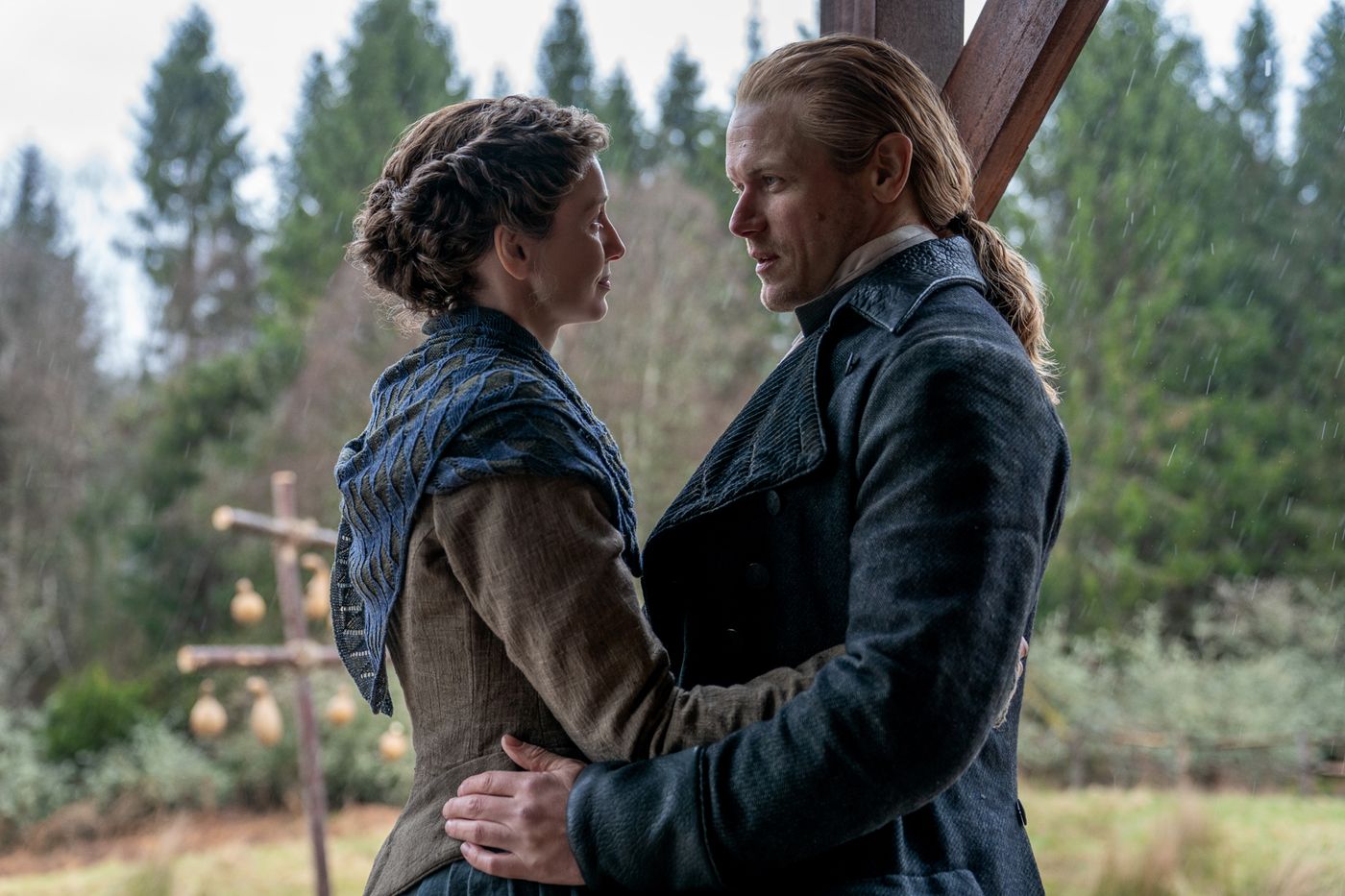
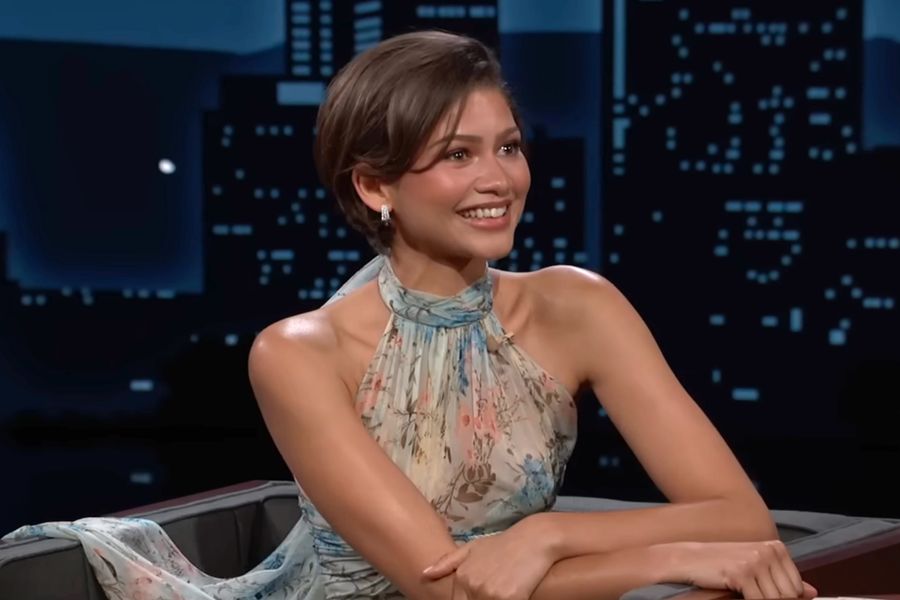
In early March, Sam Heughan and his Outlander co-star Caitriona Balfe step out onto a sidewalk outside Lincoln Center and into a wall of shrieks. Fans lining the street and corralled into what a publicist calls “the fan pit” wave posters for them to sign and call out how long they’ve driven to be there. Heughan and Balfe gamely make their way along the barriers, Sharpies in hand, to take selfie after practiced selfie. Soon, the fans launch into a spontaneous sing-along to the show’s theme music, with voices starting first in one corner of the red carpet then sweeping over the whole event. Heughan and Balfe turn and begin mock-conducting, including a gesture clearly designed to get the crowd to stop once they finish the first chorus. The screams continue.
Outlander, now wrapping up its eighth and final season, has had this kind of massive, fervent fandom from the very beginning, and although it’s rarely thought of in the same company as big buzzy shows of the moment — never nominated for any of the major Emmys, rarely the source of “what is TV now” think pieces like Succession or The Bear — Outlander has been out there for years inspiring screams, sing-alongs, and packed fan pits. Like those series, Outlander is a complicated combination of several genres, but it shares more in common with a show like Heated Rivalry than Succession: Whatever else it’s doing, Outlander has always been a show about sex and romance. “It’s slightly irked me over the years,” Heughan tells me earlier in the day. “We were here way before Bridgerton. We’ve been doing it for 12 years.”