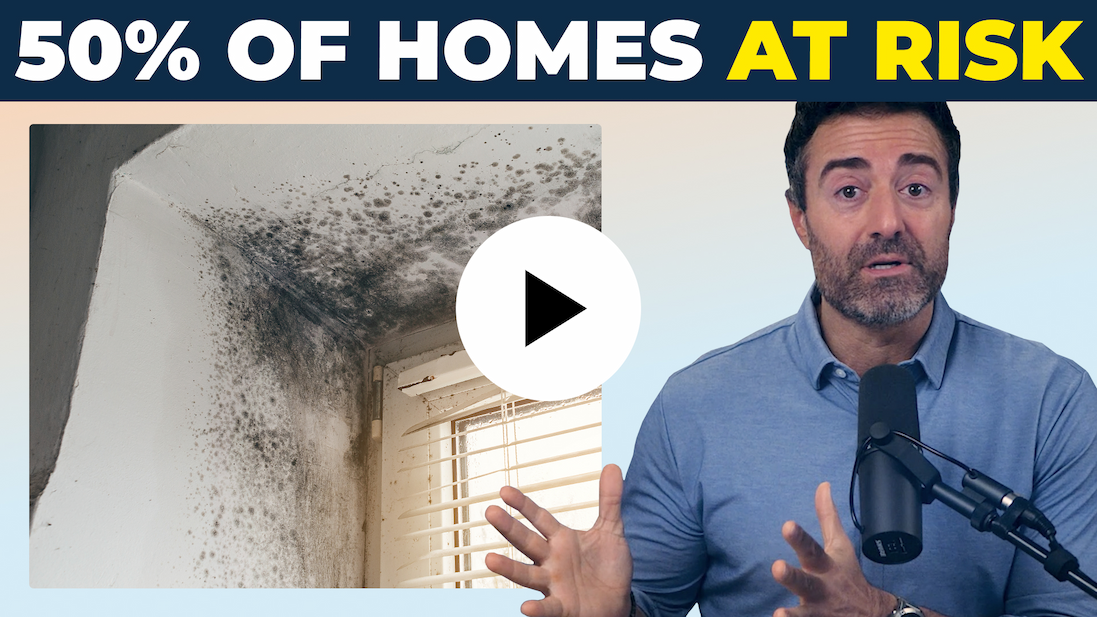
Almost half of homes in the U.S. show signs of dampness or mold.
So there’s a real chance this could be present in your environment. And from what we’ve seen in the clinic, and what I and others on our team have experienced firsthand, finding out if mold is a factor can be a major turning point.
That’s why I put together this episode to show you exactly how to check and what to do next. Because even if mold is not the main driver of your symptoms, it is not something you want in your home if you can avoid it.
IN THIS WEEK'S PODCAST, I BREAK DOWN:
Symptoms that come from mold exposure
A step-by-step way to identify mold in the home
The best home testing approach (so you don’t miss other environmental offenders)
How to address mold if it is in your home
To make this easier to apply, we also put together a step-by-step guide you can reference as you go.
It walks through how to assess your home, choose the right testing method, and what to do next if you find mold.
Many people who find us are trying to make sense of ongoing symptoms and are not sure where to start.
We’re hiring a New Patient Care Coordinator to guide them through that first step. This role is about helping people feel heard, informed, and supported as they explore whether our care is the right fit. It’s a key part of how patients begin making progress.
If you value the kind of work we share here and want to be part of helping others move forward, we’d love to hear from you.
We’re Hiring: Help Someone Start Their Care
Many people who find us are trying to make sense of ongoing symptoms and are not sure where to start.
We’re hiring a New Patient Care Coordinator to guide them through that first step. This role is about helping people feel heard, informed, and supported as they explore whether our care is the right fit. It’s a key part of how patients begin making progress.
If you value the kind of work we share here and want to be part of helping others move forward, we’d love to hear from you.