| | Semafor’s new Compound Interest podcast, hosted by Liz Hoffman and Rohan Goswami, pulls back the cur͏ ͏ ͏ ͏ ͏ ͏ |
| |  | Business |  |
| |
|
 We’re a month into Compound Interest, our new show about the seismic, but often unexplored ways that business is changing. Wall Street, Washington, and tech are coming for every established business model: We’re talking to the people on the receiving end of those shifts about the view, and their plans. Here’s a recap of our episodes so far, and I hope you’ll join us for the rest of this season. We’ve got some great guests coming your way — keep reading for a preview of the feed. |
|
Silicon Valley goes to war |
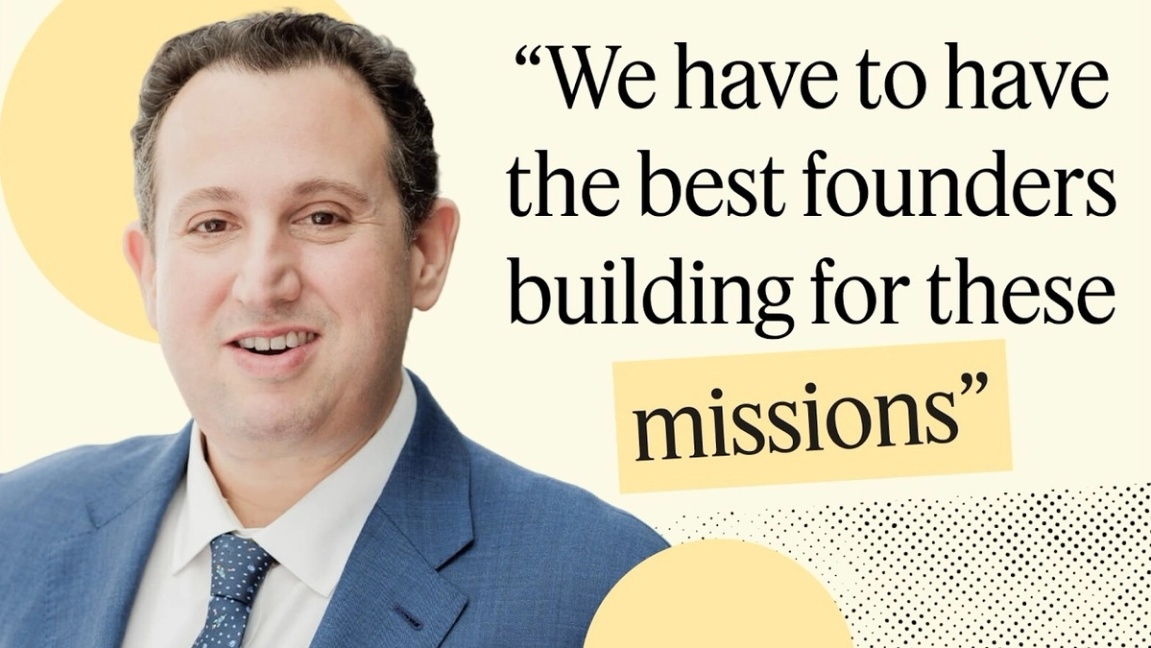 Should Silicon Valley’s push into defense come with a kill switch? David Ulevitch, the partner who runs a16z’s America-first fund, “American Dynamism,” says no: If tech companies want to do business with the government, they have to trust it. He said Anthropic’s rift with the Pentagon won’t be a “company-killing event” but a “sorting algorithm” for employees in AI. “I don’t want to be the person they call and say, can we hit the enter button on this command or not,” Ulevitch said on Compound Interest. “But I also don’t have a God complex.” |
|
The death of anonymous commerce |
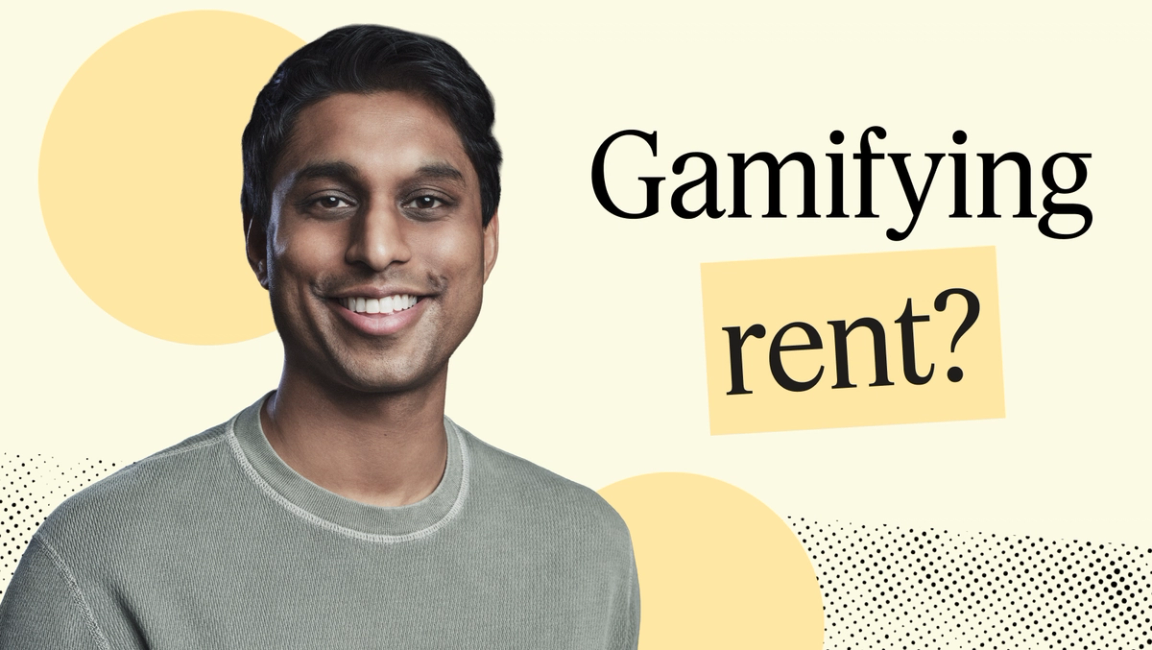 Why does every company want to be a private club? Commerce used to be anonymous: You gave a company money, and they gave you a movie ticket or a coffee or a ski lift. Now it’s all membership-based, chasing customer loyalty through smartphone alerts and walled gardens. No company embodies that more than Bilt, which has made rent-payment processing the heart of what CEO Ankur Jain calls “a membership program around where you live.” We get into whether that’s a good thing, whether there’s a killer, completely unsexy business hidden inside Bilt, and the risks of Redditors. |
|
Tucking in the robotaxis at night |
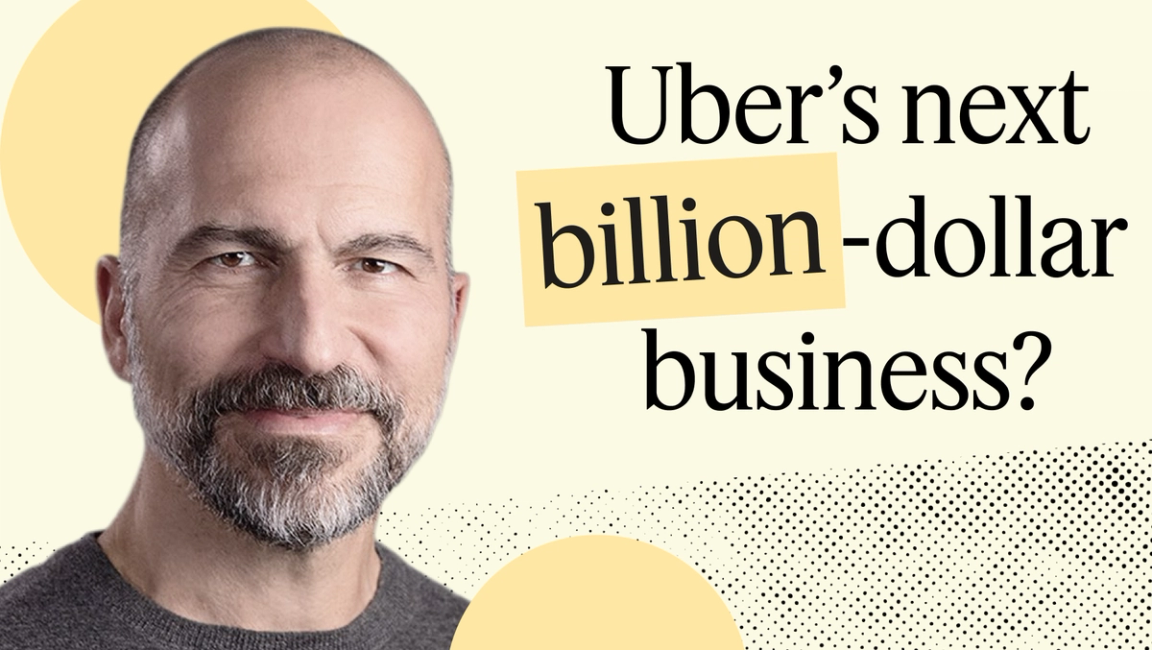 Uber’s next trillion-dollar opportunity is the care and feeding of robotaxis, CEO Dara Khosrowshahi says. He sees a future of fully autonomous cars that need to be serviced, charged, repositioned, kitted out, insured, financed, and washed. Khosrowshahi envisions a world in which Uber is the wrap-around servicer for self-driving fleets owned by “the Blackstones of the world … all of the jobs other than their driving have to be done, even more so, in an autonomous world.” His challenge is to turn Uber into a driverless world’s “mission control” without disappearing into the background, becoming a back-end B2B platform rather than the $30 billion verb of a brand name. The danger, he acknowledged, is customers deleting their Uber apps and instead telling their agents, “Get me a car.” |
|
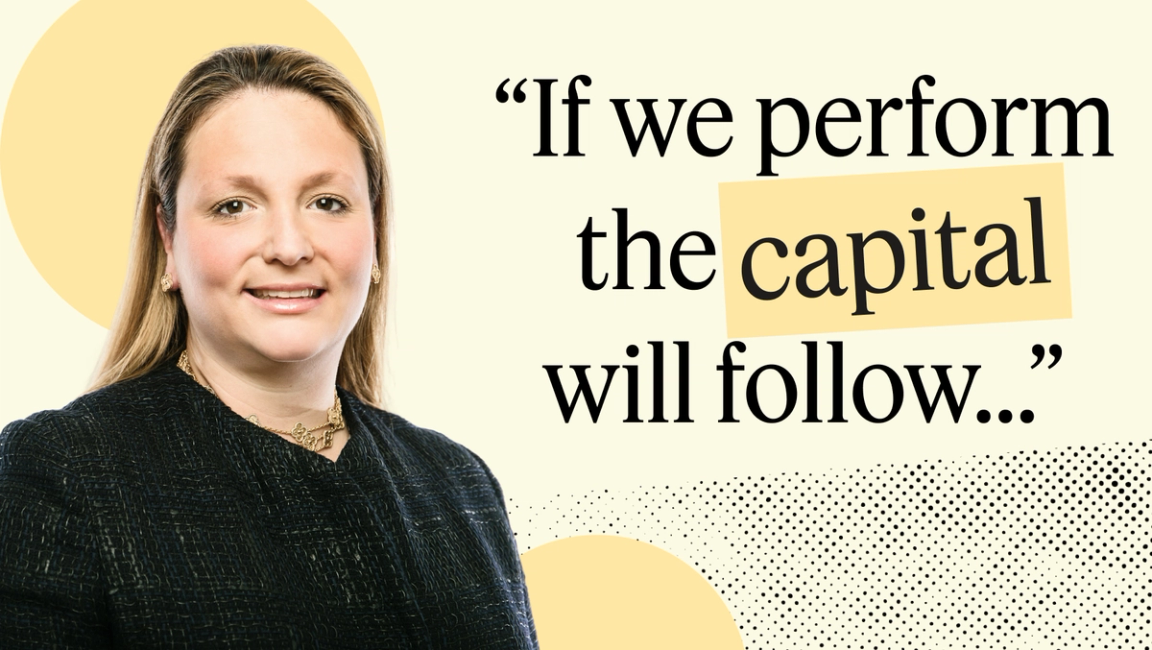 Who wins when the tide goes out in private markets? Mom-and-pop investors who piled into private markets are now doing what they can reliably be counted on to do: They are panicking. The outflows from private investment funds marketed to retail investors is testing Wall Street, which started courting them a few years ago. The question is whether this is a black eye for the whole industry or a shakeout that boosts better managers and kills off the sloppy ones. “Is this a market where if someone sneezes, everybody catches a cold?” said Alisa Wood, who has overseen investment giant KKR’s push into retail products. When there is “panic in the market… Our job is to hopefully be seen and show the world that we are that safe pair of hands.” |
|
 Coming up on the podcast: - Mike McNamara, CEO of Samara, whose tiny backyard homes might help solve a housing shortage in the US. Of course, they’ll need tiny-backyard-home mortgages, so we dig into the money.
- Tom Hale, CEO of Oura, which earned an $11 billion valuation gamifying sleep, and lives at the intersection of the wellness economy and the subscriptionization of everything.
- Mark Cuban, on how the way we pay for prescription drugs is changing, with an assist from President Donald Trump.
- John Arnold, who became America’s youngest self-made billionaire as an energy trader-turned-philanthropist, on the business of higher education.
|
|
| |



