Image

Daily News Brief

March 30, 2026

Welcome to CFR’s Daily News Brief. Today we’re covering a weekend of both diplomacy and military escalation in the Iran war, as well as...

  • Ukraine’s new Gulf defense deals
  • China’s fresh trade probes
  • The arrival of a Russian tanker in Cuba


Top of the Agenda

The Iran war appears on the precipice of escalation, even as President Donald Trump insisted yesterday that negotiations with Iran were going “extremely well.” Pakistan spearheaded talks with regional leaders yesterday, though neither U.S. nor Iranian officials attended. Meanwhile, the president told the Financial Times yesterday his administration is weighing multiple military options in Iran, including taking Kharg Island. He is also considering an operation to extract Iran’s uranium, the Wall Street Journal reported. The Houthis launched a missile at Israel Saturday after additional U.S. Marines arrived in the region, in the group’s first such attack of the war. Iran’s Parliamentary Speaker Mohammad Bagher Ghalibaf said Tehran would set U.S. troops “on fire” if a ground operation is launched, according to state media. 


Pakistan’s mediation. Pakistan’s talks with regional leaders yesterday focused on proposals for securing transportation through the Strait of Hormuz. After the meeting with senior officials from Egypt, Saudi Arabia, and Turkey, Pakistan’s foreign minister announced that Islamabad was also ready to host U.S.-Iran talks. Neither side confirmed the date of the talks, however, and Iran’s foreign ministry said today that a fifteen-point U.S. peace plan included “excessive, unrealistic, and irrational demands.” 


Weekend strikes. In addition to the Houthi missile launch, Iran since Friday hit aluminum plants in Bahrain and the United Arab Emirates (UAE) and attacked a U.S. airbase in Saudi Arabia. The attack in Saudi Arabia wounded twelve U.S. troops and damaged several aircraft, unnamed U.S. officials told multiple news outlets. U.S.-Israeli strikes hit a uranium processing plant and universities in Tehran and Isfahan, according to Iranian state media. In Lebanon, a UN peacekeeper and three Lebanese journalists were killed this weekend amid fighting between Israel and Hezbollah. 


“As the conflict expands to involve new actors with their own interests, a ceasefire will be increasingly difficult to impose and sustain…An emergent coalition of mediators led by Egypt, Pakistan, and Turkey must mobilize to pressure Iran and the United States to expedite a ceasefire agreement.”

—the European Council on Foreign Relations’ Ellie Geranmayeh, Foreign Affairs


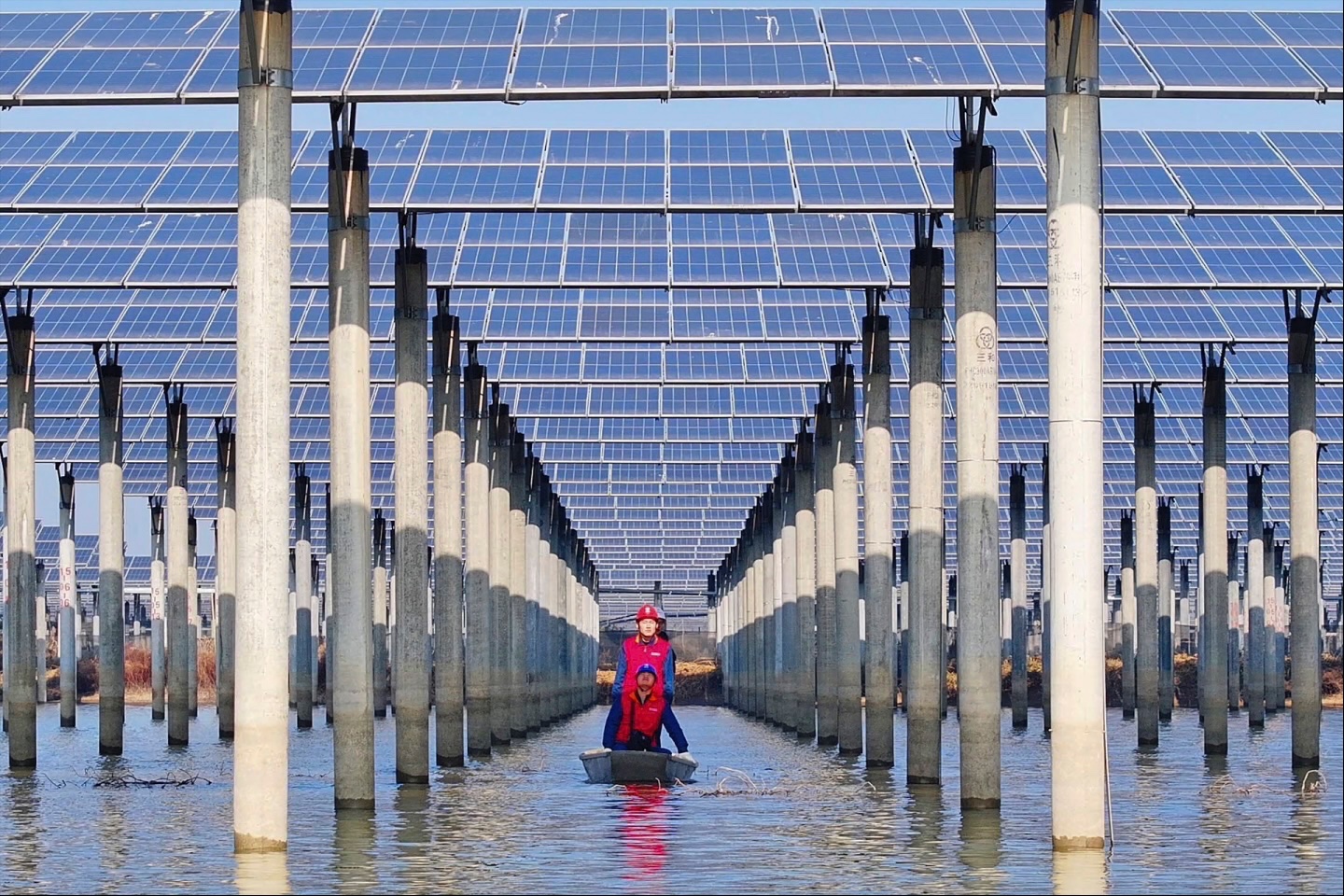
China Is Planning Decades Ahead on Clean Energy

Workers check solar panels installed on a lake in Tianchang, east China’s Anhui province, on January 12, 2026.

CN-STR/AFP/Getty Images

China’s blueprint for expanding its commanding lead in carbon-free energy sources sharply contrasts with the Trump administration’s short-sighted approach that relies on fossil fuels, Senior Fellows David M. Hart and Alice C. Hill and CFR’s Lindsay Iversen write in this Expert Take. 


Across the Globe

Ukraine’s Gulf defense deals. Ukraine has signed a joint defense production deal with Qatar and is negotiating one with the UAE, Ukrainian President Volodymyr Zelenskyy announced following weekend visits to both countries. He announced a similar defense deal with Saudi Arabia last week. Zelenskyy said talks with the Gulf countries covered their potential to provide Kyiv with war funding while European Union aid is delayed, as well as potential future Ukrainian energy purchases.


China’s U.S. trade probes. China announced two new probes into U.S. trade practices Friday in light of the Supreme Court’s reversal of Trump’s emergency tariffs, moves that echo similar U.S. probes into China. One of China’s probes broadly examines potential unfair trade practices, while the other specifically focuses on trade restrictions on green products. Both come ahead of Trump’s planned visit to China.


Russia oil reaches Cuba. A sanctioned tanker carrying Russian oil arrived in Cuba, where Washington has tried to restrict oil supplies to extract political concessions from Havana. Trump told reporters last night that he had “no problem” with the oil’s delivery, despite signing an executive order in January threatening tariffs on any country supplying Cuba with oil. Cubans, Trump said, “have to survive.”


Attempted bank attack in Paris. French authorities arrested three people this weekend as part of anti-terrorism probe into an attempted bomb attack at Bank of America’s Paris offices. France’s interior minister said the foiled attack could be related to the Iran war, pointing to similar actions attempted in other European countries. Iran’s embassy in France did not immediately comment. 


U.S. senators in Taiwan. A bipartisan delegation of U.S. senators began a visit to Taipei Saturday to rally support inside Taiwan for a $40 billion defense bill. The legislation has stalled amid resistance from opposition lawmakers. The trip is the first such visit by U.S. senators since last summer; the delegation will travel on to South Korea and Hawaii.  


Deadlock at WTO talks. A global ban on taxing digital downloads and streaming has expired after World Trade Organization (WTO) delegates failed to reach a deal to extend it. A dispute between the United States and Brazil derailed an agreement late yesterday. A draft plan on reforming how the WTO deals with unfair trade subsidies was also not adopted after the meetings ended acrimoniously. 


Former Nepali PM arrested. Nepal’s former prime minister and home minister were arrested in police raids Saturday as part of an investigation into their alleged roles in a police crackdown last year that killed dozens of protesters. Both men deny responsibility for the police’s abuse of force. The arrests came a day after Nepal swore in a new prime minister who rose to prominence during the demonstrations.


Italy-Israel Holy Week tensions. Both Italy's prime minister and the U.S. ambassador to Israel criticized Israeli police yesterday for blocking the Latin Patriarch of Jerusalem from entering the Church of the Holy Sepulchre to celebrate Palm Sunday for the first time in hundreds of years. Israeli Prime Minister Benjamin Netanyahu said the move was due to concerns for the Catholic leader’s safety. Israeli officials granted access to the church following the objections.


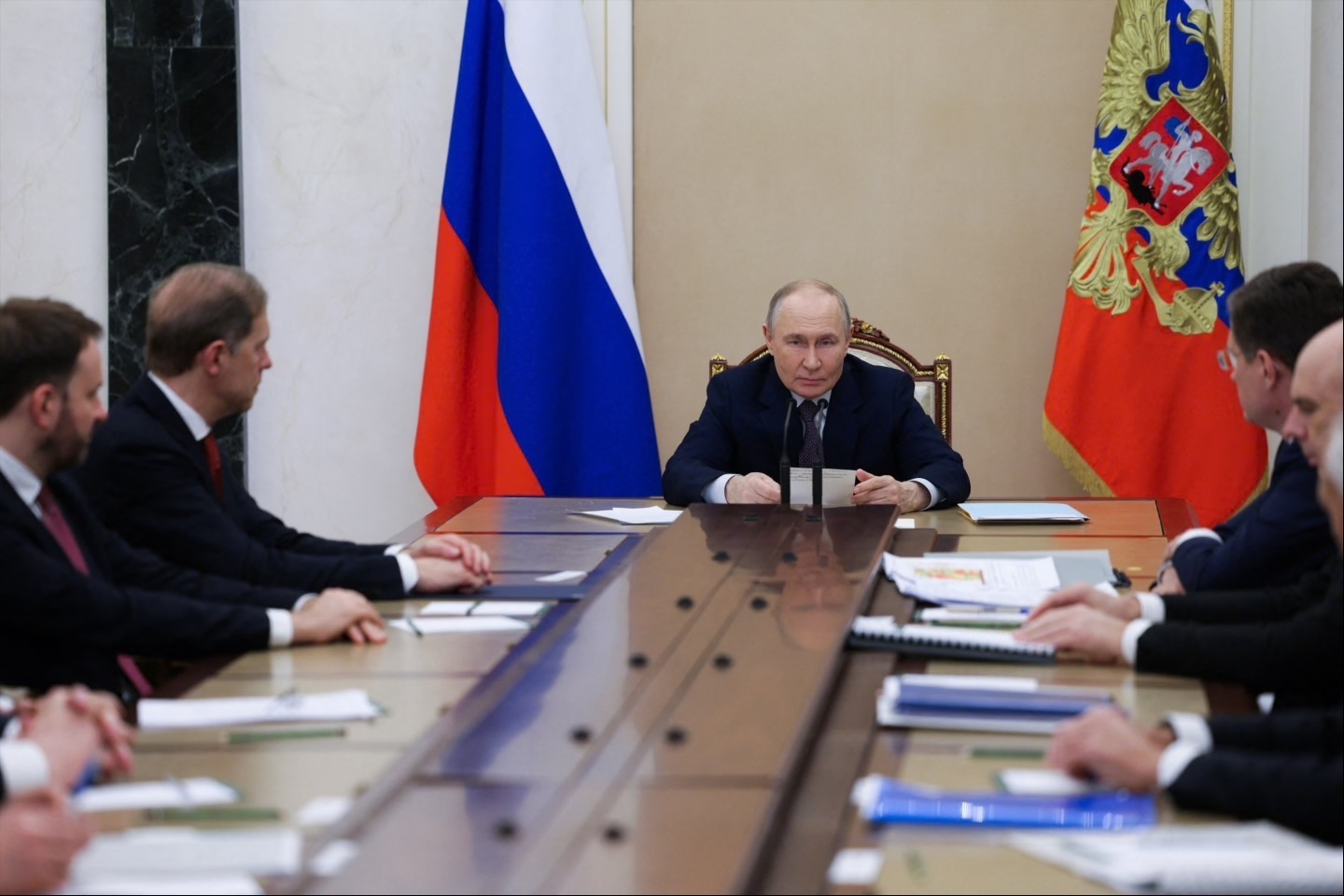
The Iran War Is a Boon for Russia, But Putin Should Still Worry

Russian President Vladimir Putin chairs a meeting on the situation in the global energy market, at the Kremlin in Moscow, Russia March 9, 2026.

Gavriil Grigorov/Sputnik/Reuters

The war has boosted Russia’s oil revenues and its ability to escalate in Ukraine, but concern is mounting among Russian elites about relations with the Trump administration, CFR Distinguished Fellow Thomas Graham writes in this Expert Take.


What’s Next

  • Today, Myanmar’s legislature begins the process of selecting its next president

  • Today, Syrian President Ahmed al-Sharaa begins a visit to Germany and the United Kingdom.

  • Today, Group of Seven finance and energy ministers meet to discuss the war in Iran.

  • Tomorrow, French President Emmanuel Macron begins a visit to Japan.


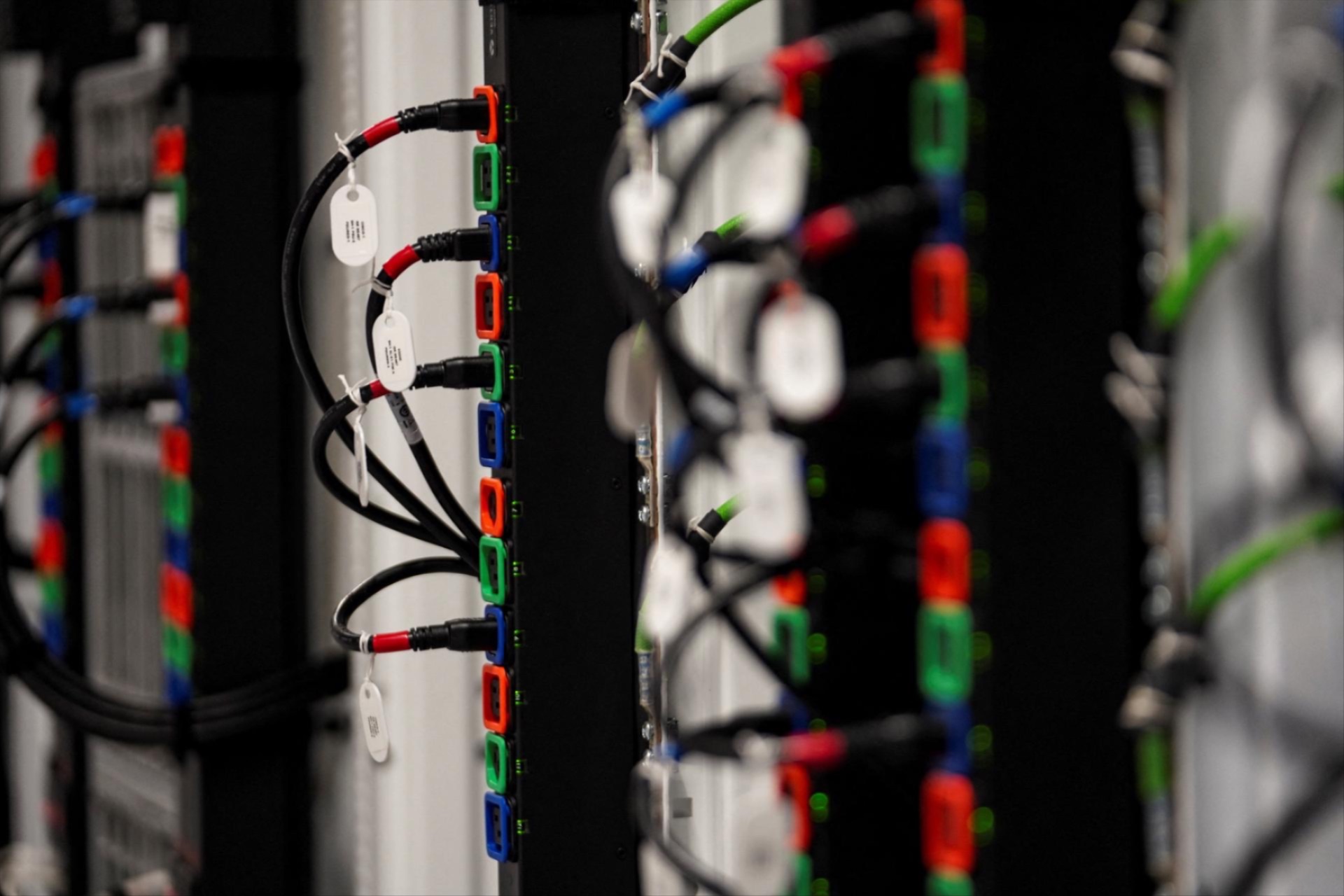
Is the United States Facing an AI Bubble?

Cables sit inside the Microsoft data center campus’ Data Hall in Mount Pleasant, Wisconsin, September 18, 2025.

Audrey Richardson/Reuters

Tech companies are taking on record debt to support their work on artificial intelligence (AI), Stanford University’s Jared Bernstein says in this CFR YouTube Short.


Council on Foreign Relations

58 East 68th Street, New York, NY 10065

1777 F Street, NW, Washington, DC 20006

Was this forwarded to you?