Monocle’s top hospitality tips, ‘Brutus’ magazine and a conversation with Trump’s commerce secretary.
|
Tuesday 31/3/26
|

|
|
London
Paris
Zürich
Milan
Bangkok
Tokyo
Toronto
|
|
|
|

Good morning from Midori House. For more news and views, tune in to Monocle Radio. Here’s what’s coming up in today’s Monocle Minute:
THE OPINION: How Ukraine is pivoting to security provider
Q&A: Trump’s former commerce secretary on the war in Iran and Republican election confidence
DAILY TREAT: Leaf through Brutus magazine
FROM MONOCLE.COM: Monocle’s top-15 hospitality tips
THE LIST: Three stories you might have missed
|
|
As threats rise, the Gulf turns to Ukraine’s war-tested expertise
By Inzamam Rashid
|

|
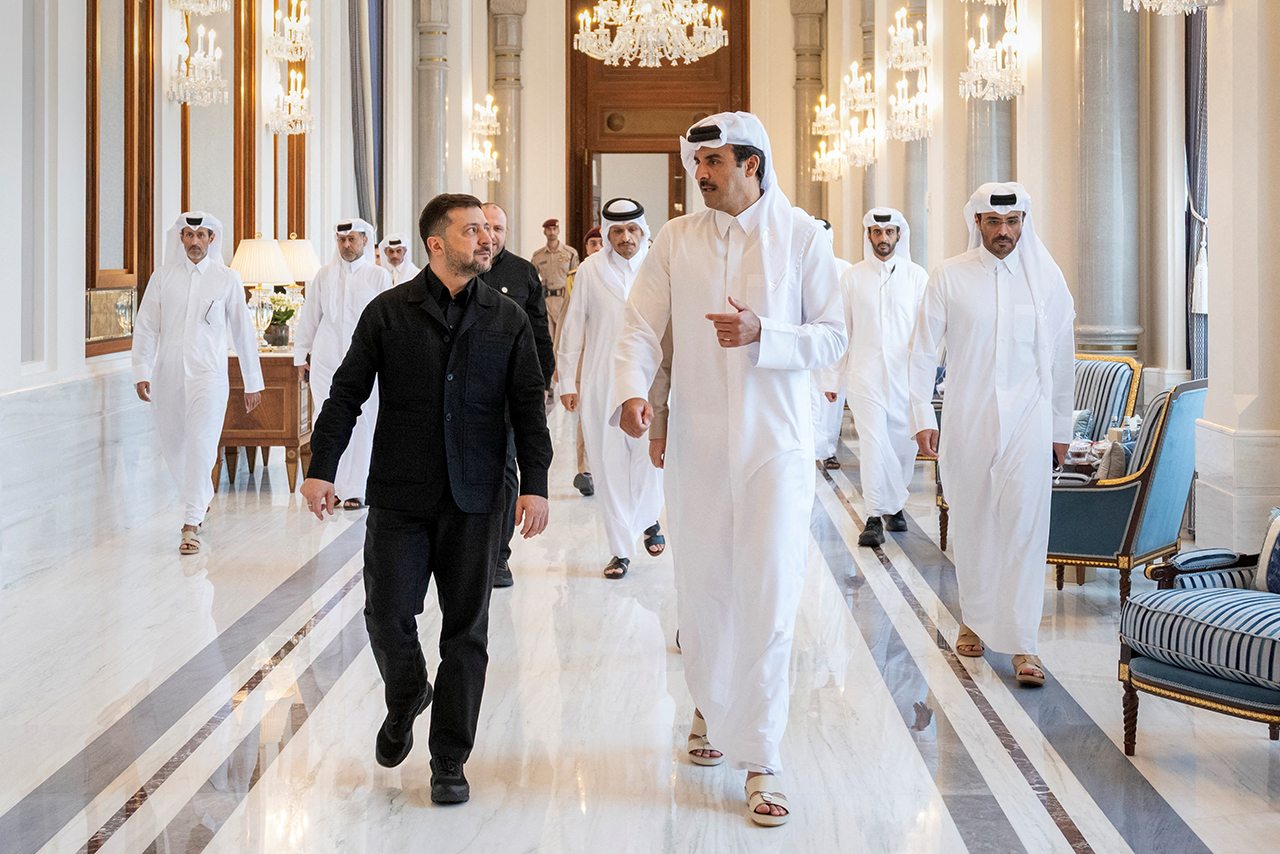
Ukrainian president Volodymyr Zelensky’s swing through Saudi Arabia, the UAE and Qatar this past weekend was billed as diplomacy. It was, more importantly, a sales trip and a rather deft one at that. In Jeddah, Abu Dhabi and Doha, Zelensky was not simply asking for sympathy, cash or a few more polite communiques. He was offering something rarer in 2026: a war-tested security product that these wealthy states suddenly need. Saudi Arabia signed a defence-co-operation arrangement with Kyiv; the UAE agreed a security and defence deal; and Qatar went further, signing a 10-year intergovernmental defence partnership that includes coproduction facilities and technological partnerships.
All of this matters because the Gulf is no longer insulated by distance, balance sheets or American hardware. Iranian attacks and the disruption around the Strait of Hormuz have made the region feel more vulnerable than it has in many years, while global oil markets have again been reminded that geography, not confidence, sets the terms. In Abu Dhabi, Zelensky and the UAE’s president, Sheikh Mohamed bin Zayed, discussed Iranian strikes, the Strait of Hormuz blockade and the effects on the oil market. In Doha, Zelensky and the Qatari leadership explicitly framed their talks around protecting life and preventing the regional war from expanding. Zelensky’s wager is that Ukraine can now market itself not just as a front-line democracy worth defending but also as a security donor in its own right. That is a notable shift.
| |
|
Leading the way: Ukraine has turned its experience into expertise
|
|
Zelensky’s own formulation is blunt. “As a result of the war we are going through,” he wrote, “and because our enemy is extensively using the Iranian ‘Shahed’ drone technology, we have developed our own system.” He added that Ukraine is now sharing what it has built with countries in the Middle East and that “we have shifted the geopolitical landscape”. That might sound grandiose but it’s broadly true.
The real story is not that Zelensky has discovered what the Gulf can do for Ukraine. It is that the Gulf has discovered Ukraine in a new register. Riyadh, Abu Dhabi and Doha are accustomed to buying finished systems from Washington, Paris and London. Ukraine is pitching something different: battlefield know-how, fast adaptation, cheaper interception and production partnerships. Qatar’s agreement is the clearest sign of where this is heading. Coproduction is not diplomatic theatre – it is industrial policy. It suggests that at least some Gulf capitals have concluded that in an era of drones, missiles and uncertain supply chains, sovereignty depends as much on manufacturing lines and software integration as on flashy procurement announcements.
There is, admittedly, a moral queasiness to all this. Zelensky is effectively arbitraging one war into leverage for another. He is doing so while the Middle East is already under attack and while Ukraine still depends on outside support to survive Russia’s invasion. Yet it would be naive to pretend that there is a better option. The West is distracted, arsenals are stretched and Kyiv needs cash, investment and air-defence depth. If Europe has been slow and the US erratic, then Zelensky is right to look for buyers and benefactors.
Still, charm offensives can curdle into overreach. Ukraine’s greatest asset is its credibility, earned at a terrible cost. If Kyiv begins to sound too pleased with its new role as a merchant of wartime expertise, it risks blurring the line between resilience and commodification. Zelensky should be careful here. The pitch works best when it is sober: Ukraine understands the Shahed threat because it has lived under it and it can help others to prepare. That is persuasive. Claims of having “shifted the geopolitical landscape” are better left for others to make.
Even so, the Gulf tour looks like one of Zelensky’s most intelligent diplomatic gambits. He arrived not as a supplicant but as the head of a country that has turned necessity into exportable expertise. And in an age when wars bleed into markets, infrastructure and logistics, this is a practical form of statecraft. Kyiv is still fighting for survival. But in Saudi Arabia, the UAE and Qatar, Zelensky has shown that survival, if managed properly, can itself become a business model.
Inzamam Rashid is Monocle’s Gulf correspondent. Here he considers whether Pakistan can broker the peace that Washington and Tehran cannot. For more opinion, analysis and insight, subscribe to Monocle today.
|
|
Q&A: wilbur ross
Trump’s first commerce secretary believes that the president’s fortunes hinge on a hasty end to the Iran war
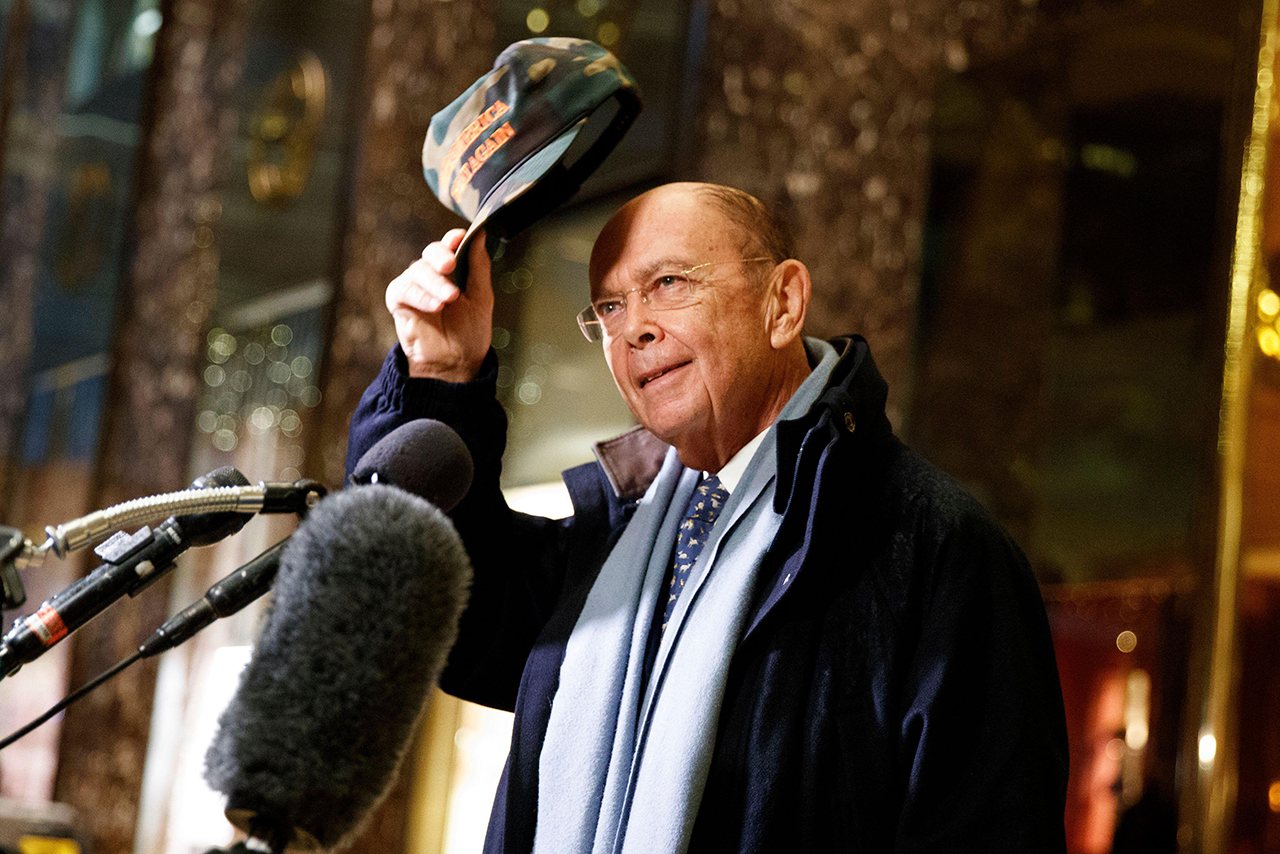
Wilbur Ross was Donald Trump’s commerce secretary from 2017 to 2021. He spoke with HJ Mai for Monocle about the conflict in the Middle East and its economic impact.
|
What has had the greatest effect on the US economy since the Iran war started?
The price of hydrocarbons has been pretty high. But in the case of the US, we’re much better off than other big countries because we’re self-sufficient: we’re the largest producer and a net exporter. Since we don’t have a shortage of supply, we should get the price of gasoline and oil down quickly after this is resolved.
Trump was elected on the promise of making the lives of Americans cheaper. Do you think that he is delivering on that promise?
The primary duty of any president is the safety and security of America. He is clearly delivering on that. I also believe that we have made progress [in Iran] at a more rapid rate than anybody anticipated. So I think that he will end this thing pretty quickly.
But we’re also in an election year. Can Republicans go into the midterms confidently?
It’s a long time, politically, until November. If we’re still at war in November, which I do not think we will be, that would be very bad for the president. Iran really is the devil in terms of both national security and inflation.
The president’s trip to China was postponed. How important and how challenging will these negotiations be going forward? And has the war given China or the US more leverage?
Assuming that the war is over quickly, it gives the president leverage: China witnessed what he did in Venezuela, it is witnessing what he’s doing in Iran and, pretty soon, it will witness what he’s doing in Cuba. For any potential adversary, this has to be a big wake-up call because whoever is stronger is in the better negotiating position. On the economy, China has real problems; it claims that it is growing rapidly [but] I don’t see it; I don’t believe the statistics. China isn’t in a position to have a trade war with us.
|
|
• • • • • DAILY TREAT • • • • •
Leaf through a copy of ‘Brutus’ magazine
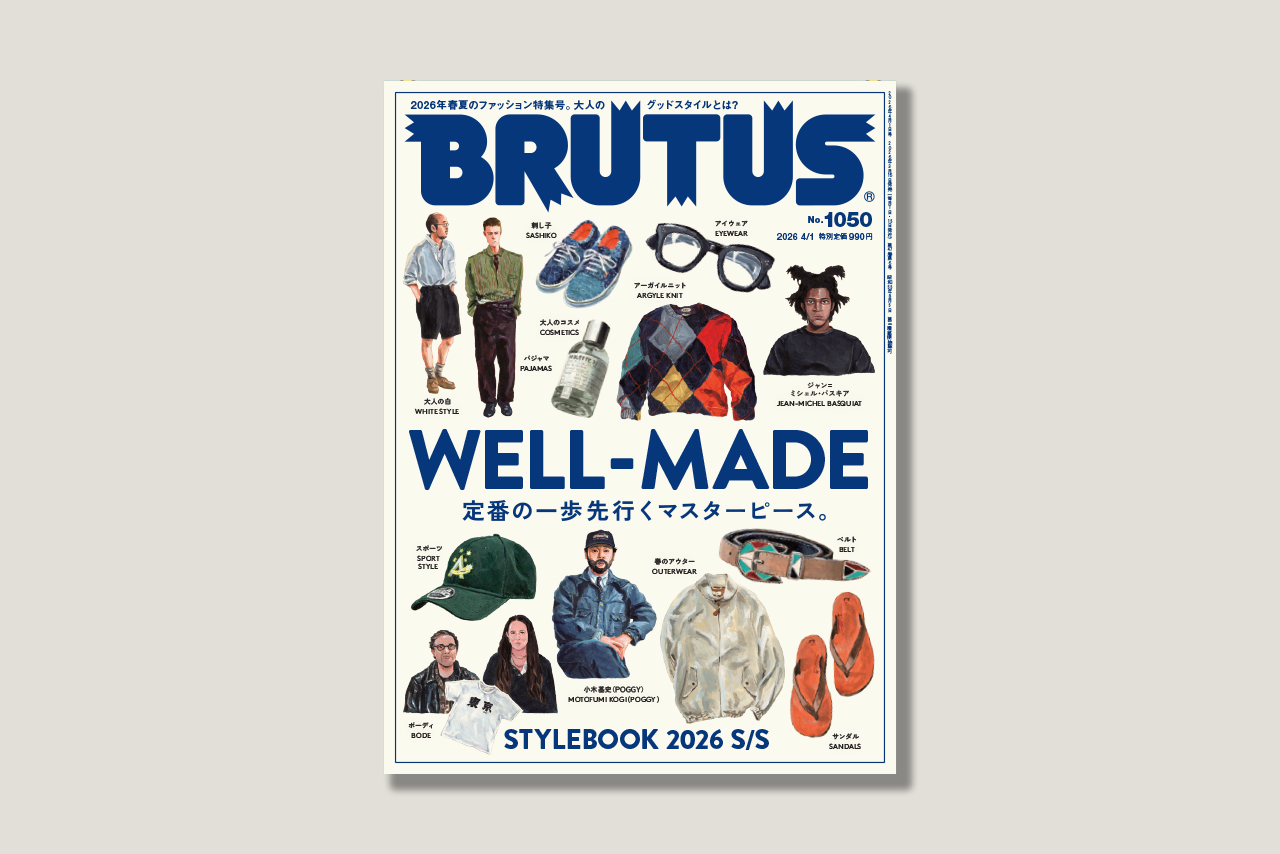
Launched in 1980, Brutus is one of Japan’s most prominent men’s titles. The biweekly lifestyle magazine covers a wide range of pop-culture topics, from films to music – and even bizarre plants.
Its latest issue is a sharp style special for spring/summer. Titled “Well Made”, it’s an homage to staple wardrobe pieces that have stood the test of time, including signature sneakers and old-fashioned workwear.
You can listen to the full interview with ‘Brutus’ editor in chief Ro Tajima on ‘The Stack’.
|
|
|
SPONSORED BY HITACHI ENERGY
|
|
|
|
|
|
from monocle.com: global
The hospitality playbook: 15 expert tips to build a hotel or restaurant that lasts
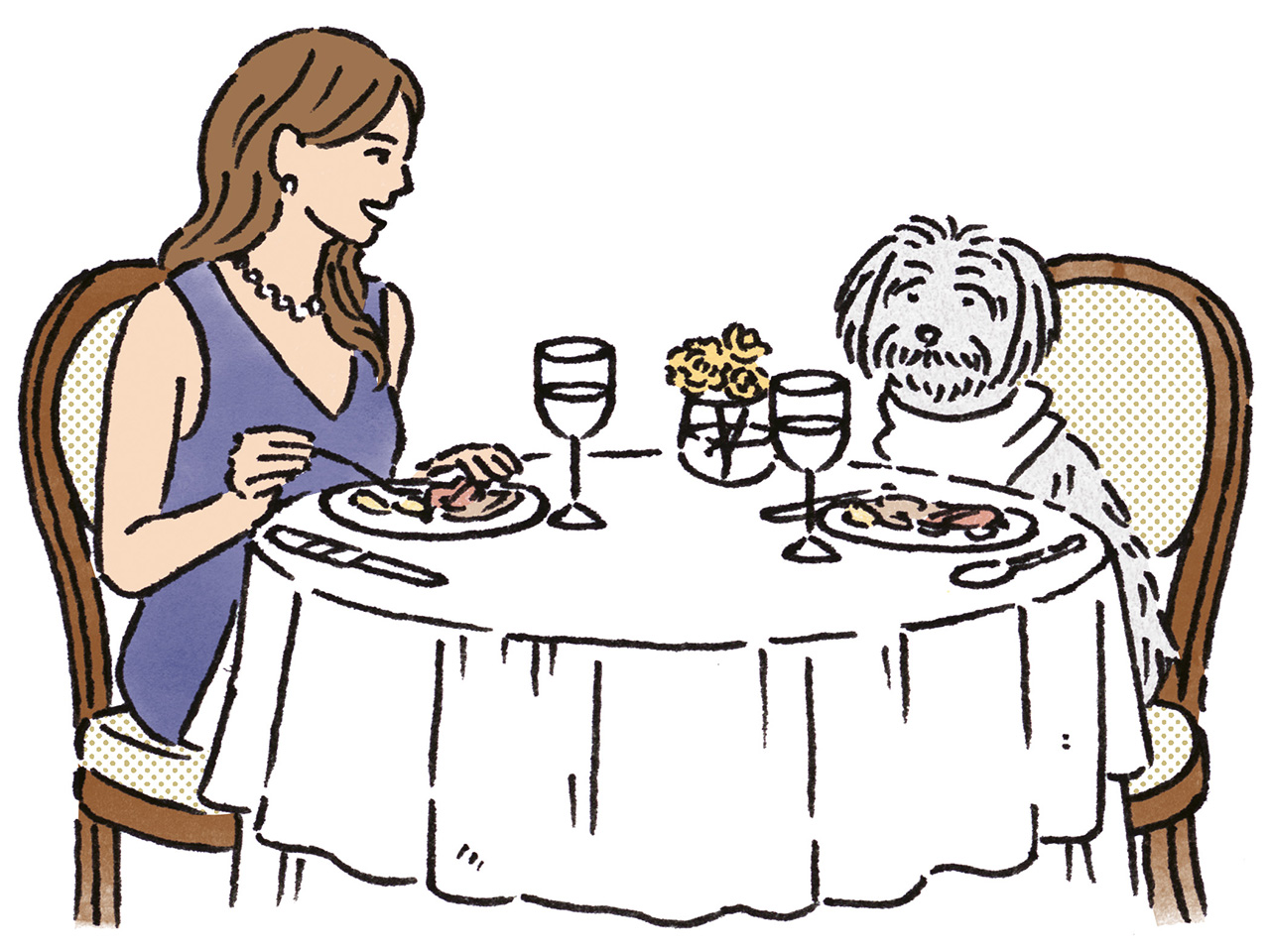
Hospitality can be a demanding game (writes Josh Lee). Hotels get turned down at a rapid clip and restaurants often operate on a knife’s edge. For our April issue, Monocle writer Claudia Jacob sat down with veteran hotelier Thierry Teyssier, who opened the 14-suite Dar Ahlam in Morocco almost 25 years ago. Teyssier distilled his learnings into a manifesto for well-thought-out hospitality. Following our conversation, we dug into our archives to find further advice from the industry’s best minds. You can read three of our favourites below, with the full 15 tips available to read here.
|
Hosting is an act of embrace
Thierry Teyssier, hotelier
“Classic hospitality doesn’t allow for differences and prefers docile, predictable guests. But hospitality should embrace otherness.”
Location, location, location
Gero Fasano, owner, Fasano Group
“We identify places where we’re confident that there’ll be an audience [for us], such as London and Paris. It’s like filling the gaps in a game of Risk and occupying territories that we know will add more value to the company. For now, that’s it. We won’t open a hotel in Nevada any time soon.”
Read more from Fasano here.
Invest in leaders
Edo López, founder, Edo Kobayashi Group
“You can have a big army but you must have generals that you can trust.”
Read more from López here.
|
|
| | |