Hello!
Countries around the world are grappling with the fallout of the U.S.-Israel war against Iran as oil prices continue to skyrocket, leading some nations to implement emergency measures to cushion the effects of gas shortages and price rises.
Some 20% of the world's oil was transported through the Strait of Hormuz before the war choked off supplies, leading the price of Brent to surge by 59% in March, the steepest monthly gain in history. It stood at $115.66 per barrel when the market opened on Monday.
We’ll be taking a look at how Australia, South Korea, Indonesia, Nigeria and Ethiopia have been affected by the war and the energy-saving measures they have implemented to safeguard households from rising prices such as fuel tax cuts, driving curbs and working from home policies.
Check out last week’s newsletters on how the Middle East conflict has affected Europe and Africa’s energy plans.
I’ve also been keeping my eye on some governance stories around digital trade negotiations that have been taking place at the World Trade Organization and other major trade deals: |
|
|
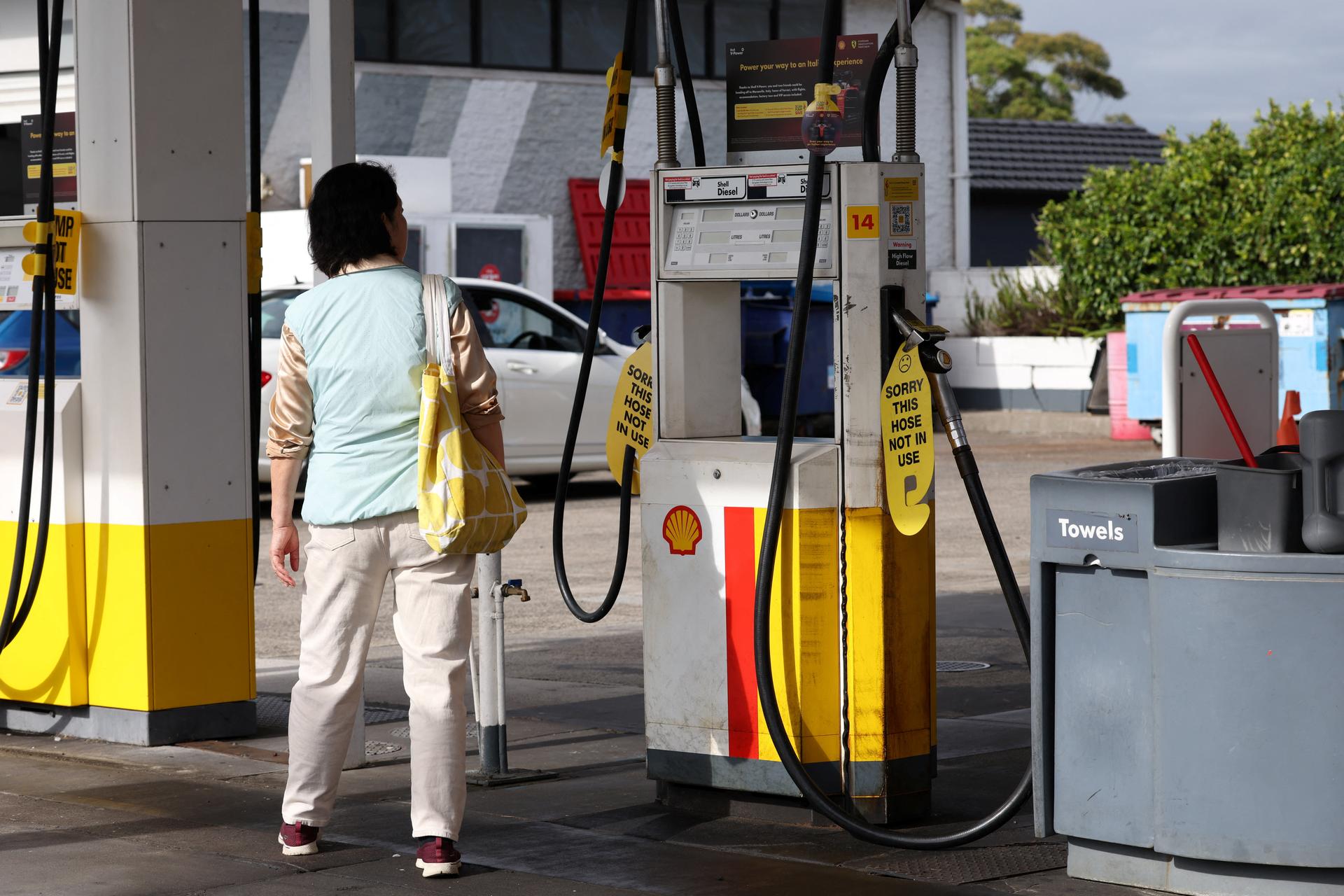
A woman looks at signs displayed on empty fuel dispensers at a Shell petrol station that ran out of fuel, in Sydney, Australia. REUTERS/Hollie Adams |
Australia had its highest fuel stocks in 15 years, but they are still far below International Energy Agency recommendations for 90 days. The latest government numbers as of last week said Australia had enough for 30 days of diesel, 30 days of jet fuel and 39 days of petrol.
Australian Prime Minister Anthony Albanese said the government would halve the excise on fuel and diesel and remove the heavy road user charge for three months to help households cope with a surge in costs driven by the Iran war, and will adopt a national fuel security plan to deliver fuel to regional areas where it is needed most. The average retail price of a litre of diesel rose to more than A$3 ($2.06) in Australia last week and petrol to A$2.50, according to a March 29 report from the Australian Petroleum Institute. Halving the tax would reduce the cost of fuel by 26.3 Australian cents per litre, Albanese said.
The measures are the latest in a series of fuel security measures adopted by Canberra since the war began on February 28. Click here for a story on how it previously announced the release of petrol and diesel from domestic reserves and the temporary relaxation of fuel quality standards. |
|
|
Driving curbs in South Korea |
South Korea is considering extending driving curbs to the general public if global oil prices climb further and may also consider further fuel tax cuts to ease the burden on households, Finance Minister Koo Yun-cheol said, as authorities seek to rein in energy demand.
The government could expand restrictions on passenger car use beyond public institutions if crude prices rise to around $120–$130 a barrel, up from the current $100–$110 range. If expanded to the entire public, the policy would mark the country's first nationwide driving curbs since the 1991 Gulf War, when the government imposed a 10-day vehicle rotation system to conserve energy. Over in Indonesia, the nation’s leader visited Tokyo this week to offset crippling shortages caused by conflict in the Middle East, a key source of regional energy supplies. Indonesia is also expected to announce curbs in the coming days.
It comes a week after the Philippines became the first country to declare a national energy emergency, as Sri Lanka cut its work week to four days and rationed fuel, and Myanmar limited car drivers to alternate days. |
In Nigeria, pump prices have risen by 65%, more than elsewhere in the region, where government price controls have limited the rise. Inflation had also begun to ease after reaching a record high last year, but since the start of the war, the cost of transport and some food items has doubled.
Businesses and labor unions have called on the government for emergency relief, including tax incentives for refiners, more naira‑based crude supply and temporary cushioning measures, while accelerating longer‑term energy reforms.
Meanwhile, Ethiopia's Ethio Engineering Group has asked its more than 3,000 employees to switch to virtual meetings to reduce fuel usage following government guidance to avert a full-blown energy crisis.
Like other countries in the region, Ethiopia faces fuel supply disruptions. The government in Addis Ababa has responded by boosting fuel subsidies and laying out a set of energy-saving measures.
Keep scrolling for more on how the war is affecting workers. We’ve also got an exclusive report released today from our colleagues at the Thomson Reuters Foundation on artificial intelligence deployment and governance on today’s ESG Lens. |
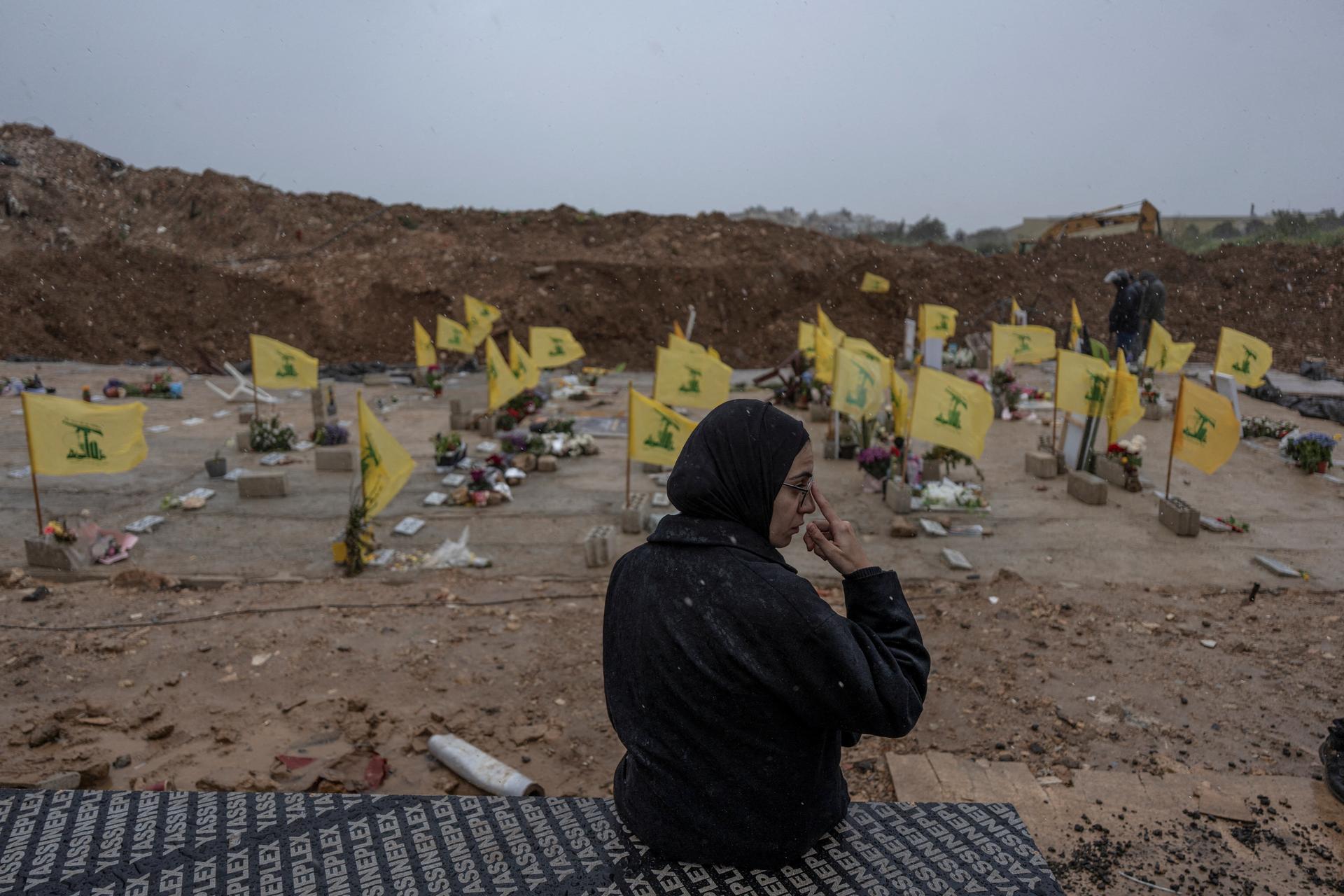
A woman sits in a cemetery before the funeral of Lebanese journalists who were killed by a targeted Israeli strike in Choueifat, Lebanon. REUTERS/Manu Brabo |
-
Killed on duty: At least 10 paramedics, three journalists and three United Nations peacekeepers were killed over the weekend in Israeli strikes on south Lebanon in the war between Israel and Lebanese armed group Hezbollah which erupted on March 2. This follows Israeli tank fire that wounded Ghanaian soldiers at a U.N. peacekeeping position in southern Lebanon earlier this month.
-
Working in war: Migrant workers are facing acute risks as conflict escalates across the Middle East and companies can no longer claim ignorance of the foreseeable risks to their workforces, writes Catriona Fraser, a migrant rights researcher for the Business and Human Rights Centre for Ethical Corp Magazine. Click here for the full comment.
-
Flying in war: Pilots are facing growing risks from missiles and drones as multiple wars are squeezing flight corridors, Europe's top aviation safety regulator told Reuters. The widening conflict in the Middle East, the prolonged Russia-Ukraine war and fighting between Pakistan and Afghanistan, have forced airlines into ever tighter corridors, notably over Azerbaijan and central Asia. Click here for the full Reuters report.
-
Healthcare in Cuba: U.S. President Donald Trump has reversed course on blocking oil shipments to Cuba as a Russian tanker carrying 100,000 metric tons of crude oil had arrived in the Caribbean island, providing relief. Click here for a moving story on how health care staff have been shouldering the burden of burnout amid blackouts, water cut-offs at home and strenuous conditions at work.
|
|
|
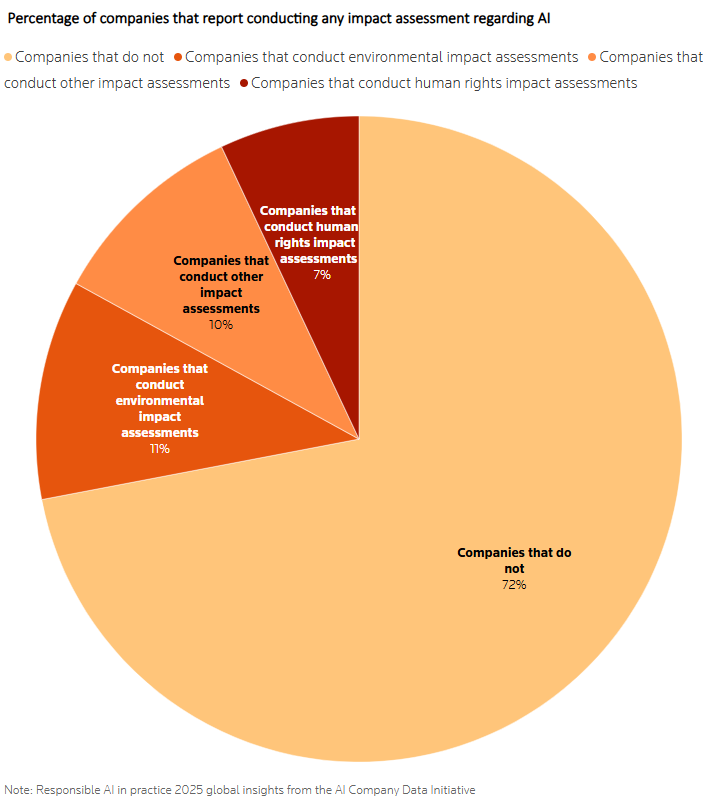
Click here to check out the latest report by the Thomson Reuters Foundation’s AI Company Data Initiative which looks at governance concerns in AI. Here is a chart on the percentage of companies that report conducting any impact assessment regarding AI, with a whopping 72% that do not conduct any AI impact assessments. |
|
|
Sustainable Switch was edited by Alexandra Hudson. |
|
|
|