Food for Thought: Healthy Aging Starts on Your Plate
 |
The Centers for Disease Control and Prevention (CDC) estimates that dementia affects nearly 14 million people by 2060. We all need to thinking about how to keep our brains healthy!
Dementia has many causes — some genetic, some environmental — and many are out of our control. But here’s the good news: what we eat is something we can control.
In honor of National Nutrition Month, here are some tips on how to eat smarter for your brain, heart, and whole body:
1. Eat Fewer Ultra-Processed Foods
- Sweetened breakfast cereals
- Soda and energy drinks
- Artificially flavored crackers and chips
- Chicken nuggets and hot dogs
The more a food is altered from its original form, the more caution it deserves.
Flip the package over and read the ingredient list. Try to avoid additives and preservatives like:
- High fructose corn syrup
- Hydrogenated oils
- Artificial food dyes
- Monosodium glutamate (MSG)
- Sodium nitrates/nitrites
- Sulfites (sulfur dioxide, sodium bisulfite, sodium sulfite)
A simple rule: If you wouldn't stock it in your kitchen, think twice before eating it.
2. Eat Fish (Your Brain Will Thank You)
Several studies suggest that people who carry the apolipoprotein E (APOE) gene — linked to higher Alzheimer’s risk — may show fewer Alzheimer’s-related brain changes if they eat seafood regularly.
Try this simple recipe: Baked salmon with olive oil, lemon, garlic, and fresh herbs. Roast at 400°F for 12–15 minutes. Serve with leafy greens and quinoa for a brain-boosting dinner.
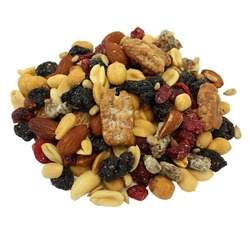 |
3. Eat Like a Bird: Nuts, Berries & Seeds
Berries are rich in antioxidants and flavonoids, which help protect the brain from oxidative stress and inflammation.
- Sprinkle walnuts on salads
- Add blueberries to yogurt
- Toss chia or flax seeds into oatmeal
Small additions. Big payoff.
4. Use Olive Oil Daily
In a 28-year study, consuming just 7 grams of olive oil daily (about half a tablespoon) was associated with a lower risk of dementia-related death.
Drizzle it on vegetables. Use it in salad dressing. Swap it for butter when you can.
5. Load Up on Leafy Greens & Fiber
Leafy greens are nutritional powerhouses packed with antioxidants, vitamins, and minerals that support brain health.
A 2023 study links high homocysteine levels to increased risk of cognitive impairment in people recovering from COVID-19. Leafy greens are rich in folate (a B vitamin) that may help reduce homocysteine levels in the blood.
- Spinach
- Kale
- Swiss chard
- Arugula
Aim for a handful (or two) every day. Visit your local farmer’s market to get the freshest veggies, and support sustainable agriculture while you are at it!
You can’t control every risk factor for dementia.
But you can control what’s on your plate.
Eat more whole foods. Choose fish. Add nuts and berries. Use olive oil. Fill half your plate with plants.
Your heart will benefit. Your body will benefit. And your brain just might thank you for decades to come
|