Welcome back to The Weekend Press! Today, the trucker Gord Magill thinks his beloved industry is screwed. And paperback books are dead! Suzy Weiss watched a movie, about a woman who planned a school shooting, with her friend who survived the real thing. And Hadley Freeman wonders whether Kanye West deserved a “Nazi ban.” And much more!
But first: the man who went to Michael Jackson’s ranch—and stumbled into an afternoon with Jeffrey Epstein.
The release of the Epstein files forced a lot of people to reflect on their interactions—however innocent—with the man at the center of them. One such person was a literary agent named David Vigliano, who met Jeffrey Epstein once, in bizarre circumstances, and kept very detailed notes. Today, he shares them in an exclusive essay for The Free Press.
In the summer of 2002, Vigliano went to Neverland Ranch—Michael Jackson’s sprawling estate in the Santa Ynez Valley—to discuss the possibility of a Jackson autobiography. The pop star never showed. Instead, Vigliano found himself seated across from Epstein, who had arrived with a harem of college-age women. “In my line of work, I’ve met many extremely wealthy men with girlfriends half their age. None of them had nine,” he writes today. “I guess he just likes to surround himself with beautiful young women, I thought, in all my cluelessness.”
Years later, after Epstein was convicted of pedophilia, and Jackson was accused of the same thing, Vigliano found himself “struck by how easily I was seduced” by the mystique around these two men. His epiphany came after he read Virginia Giuffre’s memoir, Nobody’s Girl; he had nothing to do with its publication but, he writes, it “made me think about whose stories get to be told, and the role I play in their telling.”
Two Drinks with . . . a Very Angry Truck Driver |
|
|
|
 |
|
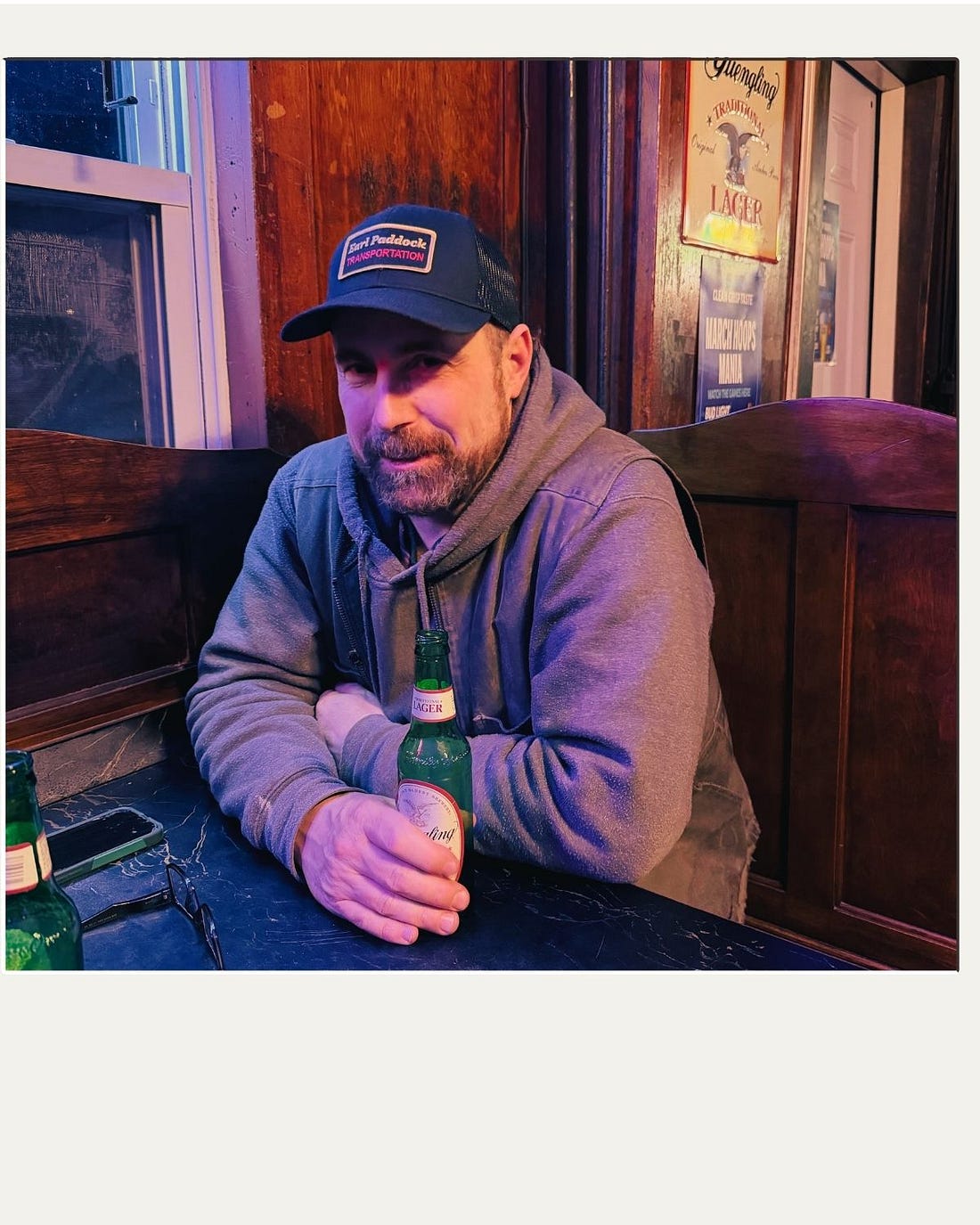
In America, the most common occupation for young men without a college degree is trucking. But according to Gord Magill, a lifelong trucker, “the industry is being fucked by a number of forces.” He’s just published a book about those forces—called “End of the Road: Inside the War on Truckers”—so River Page drove up to a dive bar in Ithaca, New York, to chat with him about shrinking wages, exploited immigrants, mass surveillance, and the threat of automation. “I want to be a trucker. I love it,” said Magill. “What I don’t love is spreadsheet-brained human resource puritans treating me like a guy that just walked in off the street.”
| | |
|
The Death of the Pocket Paperback |
|
|
|
 |
|
The pocket paperback—which cost 25 cents in 1939 and has never been more than a few dollars since—is being discontinued. The margins are just too thin. “When I was growing up in 1990s America, these books were everywhere,” writes Andrew Cusack. “From the same spinner rack, the white-collar worker heading to the suburbs could pick up his Tom Clancy, the young autodidact his Alexandre Dumas.” His ode to the format is a reminder that technological innovation doesn’t always make things more convenient. | | |
|
Kanye Isn’t a Threat to British Jews |
|
|
|
 |
|
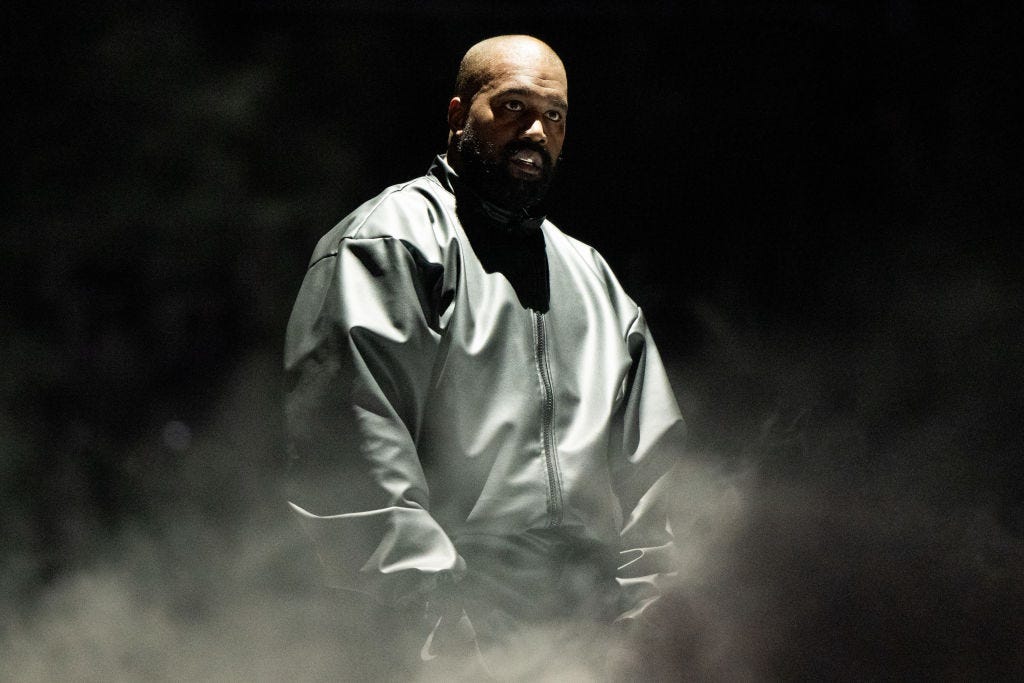
Kanye West is quite possibly the world’s greatest rapper. But for the past few years, the artist has put out a song called “Heil Hitler,” promised to go “death con 3 On JEWISH PEOPLE,” and released what Hadley Freeman can only describe as “swastika merch.” Now, having apologized and blamed all this on mental instability, he’s on a comeback tour. But this week, the UK banned him. Freeman is a Jew living in London who’s horrified at the rise of antisemitism in Britain, but she’s also a Kanye fan, and someone who’s spent a lot of time around severely mentally unwell people. And on balance, she thinks the ban is wrong. | | |
|
Motherhood Wasn’t the Interruption I Expected It to Be |
|
|
|
 |
|
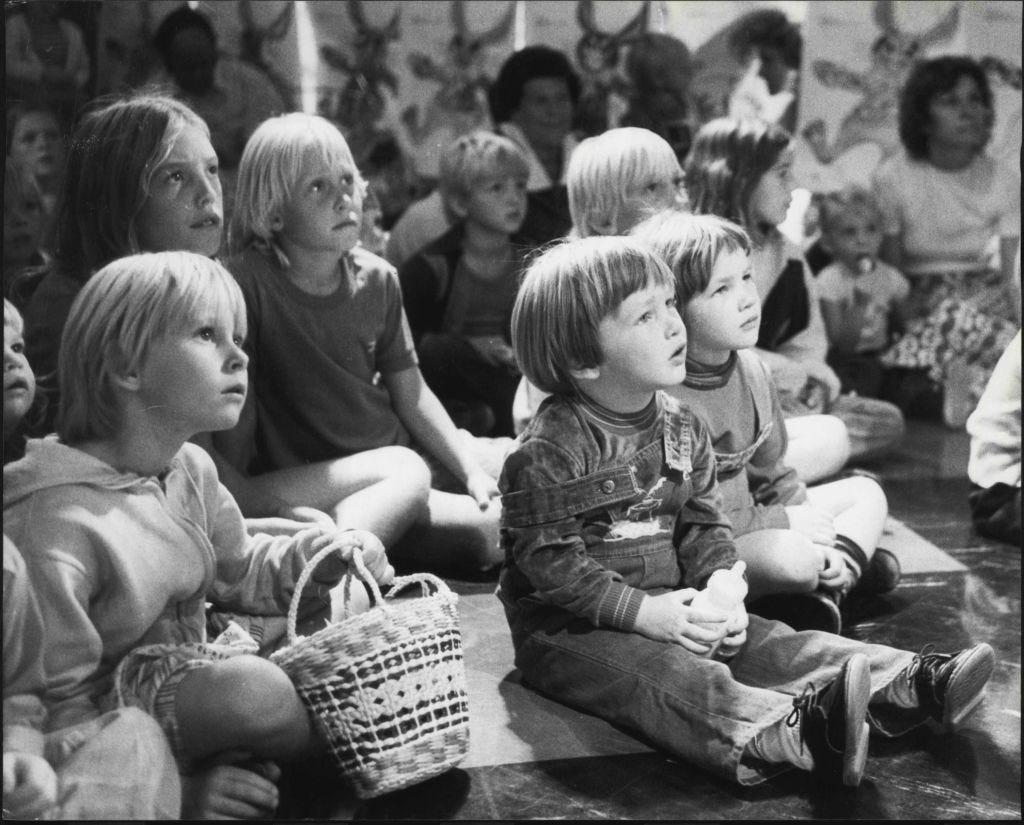
It was never Solveig Gold’s plan to have a child before 30—no other woman in her family had. But at 27, with a postdoctoral fellowship at Princeton and a New York Times profile to her name, she got pregnant, and everything changed. “I didn’t have to slow down,” she writes, “but as soon as I started caring for [my daughter], I simply lost interest in most everything else.” In this week’s Things Worth Remembering, she reflects on the children’s book “The Country Bunny” and the myth it dispels: that mothers will “forever lose themselves and their careers if they take too much time away from the workforce.”
| | |
|