Our StrictlyVC evening on April 30th in San Francisco’s SoMa neighborhood just got even more interesting. We're sitting down with Lior Susan, founder of Eclipse — a firm that was racing toward physical AI long before anyone was calling it that. Eclipse also wrote one of the first checks to Cerebras, the AI chipmaker that just landed Oracle as a cloud-computing customer, struck a commercial deal with OpenAI, and is closing in on a public offering after nearly tripling its valuation to $23 billion in a February funding round led by Tiger Global. Suffice it to say, Susan is only going to get harder to pin down from here, so we're grabbing him while we still can. Seating is limited, and the event is just a couple of weeks away — snag your spot now. We'd love to see you there. - CL | | Top News | Some OpenAI investors are reportedly questioning the company’s $852 billion valuation amid concerns that it is shifting into enterprise software just as rival Anthropic is surging with business customers. “You have ChatGPT, a 1 billion-user business growing 50-100% a year, what are you doing talking about enterprise and code?” one early OpenAI investor told the FT. “It’s a deeply unfocused company.” More here. | | |
Fidelity — Your Pitch Isn’t the Only Thing Investors Are Evaluating. | Investors don’t just listen to what you say - they look at how your company operates. Is ownership clear? Do your numbers match your story? Can you answer follow-up questions without digging through spreadsheets? The Fundraise-Ready Startup Kit equips founders with the materials investors expect to see, before pressure is on. Because confidence in the room doesn’t come from slides. It comes from preparation. | | Max Hodak’s Science Corp. Is Preparing to Place Its First Sensor in a Human Brain | 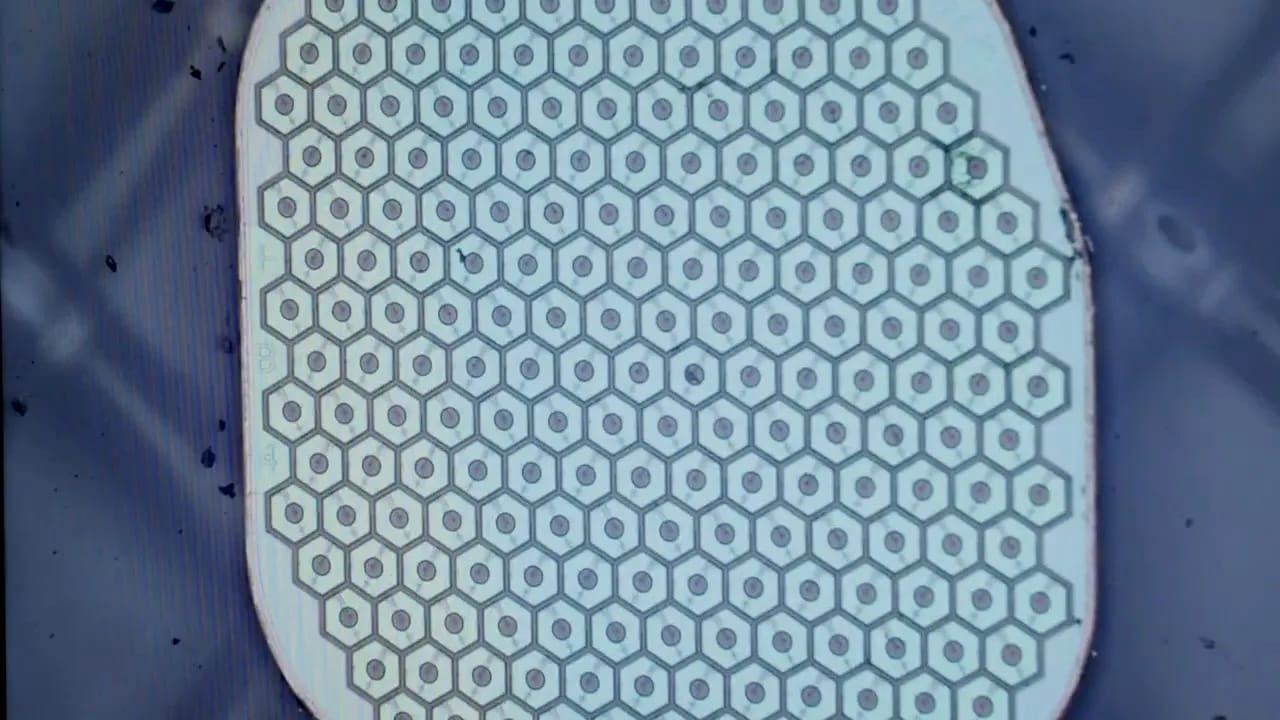 | Image Credits: Science Corporation |
| By Tim Fernholz | Science Corporation, the startup from former Neuralink president and co-founder Max Hodak, has enlisted a top neurobiologist to lead the first U.S. human trials for its biohybrid brain-computer interface. | Dr. Murat Günel, chair of Yale Medical School’s Department of Neurosurgery, has signed on as a scientific adviser after two years of discussions. His goal is to surgically place the first sensor for a future interface — one that will eventually combine lab-grown neurons with electronics — into a patient’s brain. | Science, founded in 2021, completed a $230 million Series C fundraising round last month that valued the company at $1.5 billion. Its most advanced product is PRIMA, a device for restoring vision in people with blindness caused by macular degeneration and similar conditions. Science acquired the technology in 2024 and has advanced it through clinical trials, with plans to make it more widely available in Europe once regulatory approval is obtained, perhaps as soon as this year. | Hodak, however, co-founded the company with a bigger vision in mind: creating reliable communication links between computers and the human brain — both to treat disease and to establish a path toward human enhancement, such as adding entirely new senses to the body. He has dedicated his career to that proposition, from talking his way into a graduate neuroscience lab as a college student, to founding his first biotech computing startup, to building Neuralink alongside Elon Musk. | Neuralink and other organizations have succeeded in using electronic sensors to detect brain activity in patients suffering from ALS, spinal injuries, and other conditions that sever the brain’s communication with the body. Users with implanted devices can control computers or generate words on a screen simply by thinking about them. However, the path to a real market for these devices remains murky, given regulatory challenges and the relatively small number of patients with applicable diagnoses. | | | Massive Fundings | Adcendo, a nine-year-old Copenhagen startup that develops antibody-drug conjugate therapies to treat cancer, raised a $75 million Series C round led by Jeito Capital, with Vida Ventures, BPI France, and EIFO as well as previous investors TCGX, RA Capital Management, TPG, Orbimed, Venrock, Surveyor, Logos Capital, Novo Holdings, Pontifax Venture Capital, Dawn Biopharma, HealthCap, Gilde Healthcare, and Ysios Capital also piling on. Pulse 2.0 has more here. | Fluidstack, a nine-year-old New York cloud startup that builds and operates high-performance data center infrastructure for AI workloads, is reportedly in talks to raise about $1 billion at an $18 billion valuation, with Jane Street and Situational Awareness expected to co-lead the round. TechCrunch has more here. | Glydways, a 10-year-old San Francisco company backed by Sam Altman and Khosla Ventures that is developing closed-loop autonomous transportation systems using podlike vehicles on dedicated guideways, is reportedly in discussions to raise approximately $250 million at a $1 billion valuation. Bloomberg has more here. | Neomorph, a six-year-old San Diego startup that develops molecular glue therapies that degrade disease-causing proteins previously considered undruggable, raised a $100 million Series B round led by Deerfield Management and including Regeneron Ventures, Longwood Fund, Alexandria Venture Investments, and Binney Street Capital. Tech Startups has more here. | Sygaldry, a two-year-old startup based in Ann Arbor, MI, that builds servers that use quantum computing to accelerate AI training and inference, raised a $105 million Series A round led by Breakthrough Energy Ventures, with Y Combinator, Rock Yard Ventures, IQT, the University of Michigan, QDNL Participations, Expeditions Fund, 468 Capital, Morpheus Ventures, WTI, Overmatch Ventures, RRE Ventures, and Switch Ventures also opting in. Sygaldry was founded by Rigetti Computing veteran Chad Rigetti. The company has raised a total of $139 million. Fortune has more here. | | Big-But-Not-Crazy-Big Fundings | Bluefish, a two-year-old New York startup that monitors how AI systems portray brands and runs campaigns to improve their visibility in AI-generated results, raised a $43 million Series B round co-led by Threshold Ventures and previous investor NEA, with Amex Ventures, TIAA Ventures, Salesforce Ventures, and Bloomberg Beta as well as prior backers Crane Venture Partners, Laconia, and Swift Ventures also participating. The company has raised a total of $68 million. More here. | Citra Space, a two-year-old startup based in Colorado Springs, CO, that identifies and tracks objects in orbit by combining data to analyze their behavior over time, raised a $15 million Series A round led by Washington Harbour Partners, with Industrious Ventures, Reliable Properties, Scout VC, Squadra Ventures, Alumni Ventures, and Flex Capital also joining in. More here. | Critical Loop, a three-year-old startup based in Long Beach, CA, that provides on-site power systems that combine microgrids, battery storage, and software to speed up grid connections for industrial projects, raised a $26 million Series A round co-led by Conifer Infrastructure Partners and Hanover, with Better Ventures, Climate Capital, Adapt Nation Capital, and Cyrus Ventures also taking part. The company has raised a total of $49 million. More here. | Pillar, a three-year-old New York startup that uses AI to help commodity-driven businesses manage financial risk and automate hedging, raised a $20 million seed round led by Andreessen Horowitz, with additional support from Crucible Capital, Gallery Ventures, and Dara Khosrowshahi. The company has raised a total of $23 million. TechCrunch has more here. | Neato, a nine-year-old Las Vegas startup that buys inventory from consumer brands and manages their sales, advertising, and logistics across online marketplaces, raised a $25 million round. Advantage Capital led the financing. Tech Funding News has more here. | Synera, an eight-year-old startup based in Bremen, Germany, that deploys AI agents that execute engineering design, simulation, and optimization workflows, raised a $40 million Series B round led by Revaia, with ISAI Cap Venture, UVC Partners, BMW iVentures, Cherry Ventures, and Spark Capital also engaging. The company has raised a total of $58.1 million. SiliconANGLE has more here. | | Smaller Fundings | ActionAI, a startup that builds infrastructure to test, monitor, and enforce reliability in AI systems for enterprise workflows, raised a $10 million seed round led by UAE-based investors. More here. | Debbie, a four-year-old New York startup that rewards users with cash for saving money and paying down debt instead of spending, raised a $5.3 million seed round co-led by Trustage Ventures and Reseda Group, with One Way Ventures and Zeal Capital Partners also contributing. The company has raised a total of $8 million. Startup Beat has more here. | Fermtech, a four-year-old startup based in Oxford, UK, that produces a cocoa alternative by fermenting cocoa waste into a lower-cost ingredient, raised a $3.4 million seed round led by Elbow Beach Capital, with Carbon13 and Empirical Ventures also pitching in. Green Queen Media has more here. | Fieldwork Robotics, a nine-year-old startup based in Cambridge, UK, that builds autonomous robots that harvest crops to reduce reliance on farm labor and improve productivity, raised a total of $4.1 million. Elbow Beach Capital was the deal lead. AI Insider has more here. | Graftcode, a newly founded Warsaw startup that enables applications in different programming languages to connect without APIs or middleware, raised a $2.5 million round led by Hard2beat, with DigitalOcean Ventures and Heartfelt Capital also opting in. The company has raised a total of $7.7 million. Tech.eu has more here. | Helical, a two-year-old Luxembourg startup that turns biological AI models into reproducible drug discovery workflows for pharma teams, raised a $10 million seed round led by Redalpine Venture Partners, with Gradient, BoxGroup Ventures, and Frst Capital also investing. SiliconANGLE has more here. | Nava, a one-year-old New York startup that builds guardrails and verification tools for AI agents managing capital and transactions, raised an $8.3 million seed round co-led by Polychain Capital and Archetype, with FalconX, Hack VC, and Seed Club Ventures also participating. More here. | Orbital, a recently founded Los Angeles startup that builds space-based data centers powered by solar energy to run AI workloads in orbit, raised a $1 million round led by Andreessen Horowitz. SiliconANGLE has more here. | |
|