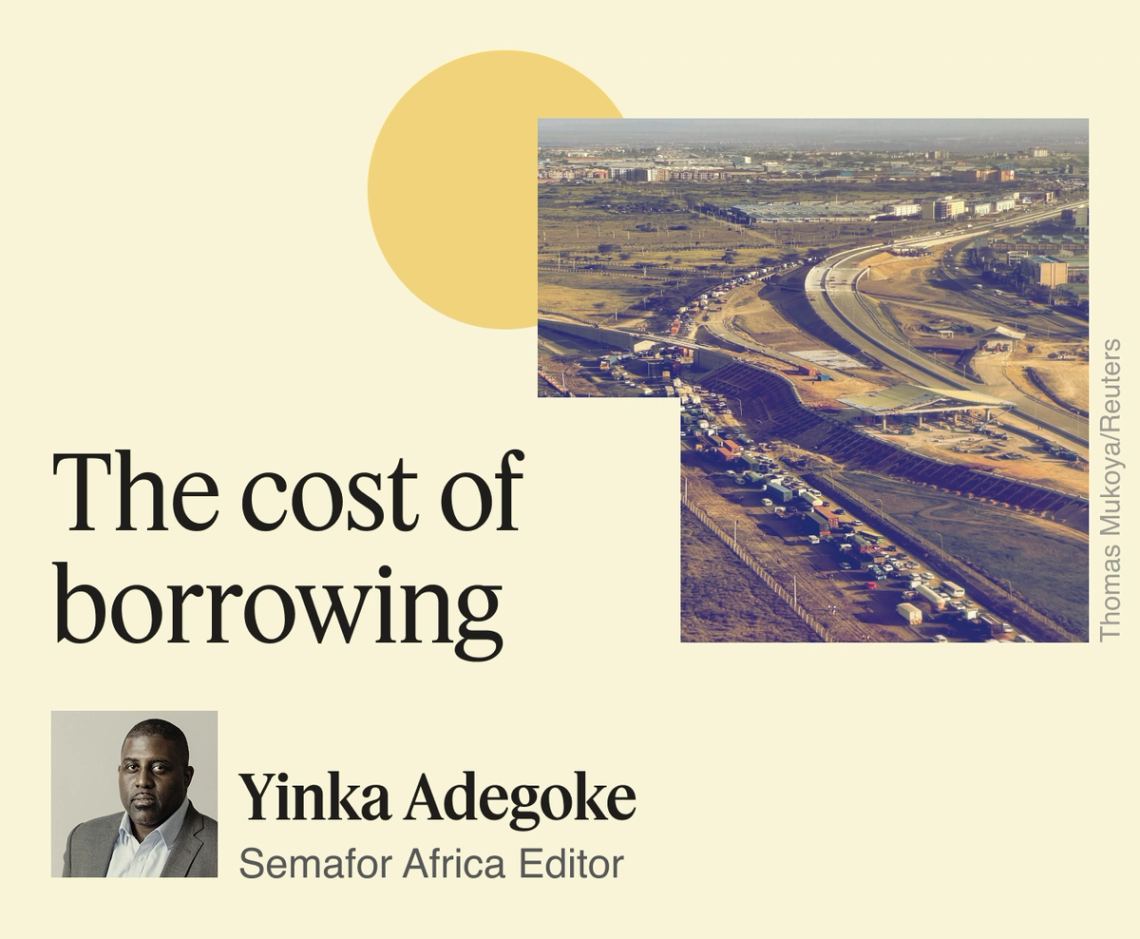
 The COVID-19 pandemic, Russia’s war in Ukraine, and now conflict in the Middle East have pushed borrowing costs to levels not seen in decades — with African nations among those hardest hit. The average cost of external borrowing on the continent has nearly doubled in four years, according to a new report from ONE Data and The Rockefeller Foundation. That means a lot of money is being diverted from health and education budgets, or ambitious infrastructure plans. What makes this latest crisis worse than previous ones is that there is no cheap exit: The cost of borrowing has moved up across every creditor class simultaneously. Western donors, squeezed by domestic pressures and shifting political winds, are cutting aid. China, once an alternative, has seen its own traditionally lower lending rates to Africa more than double over the same period. Even help from the multilateral development banks — long the floor holding up developing country finance — has become significantly more expensive. The irony is that the countries feeling it most are not the lowest income nations, who remain protected by near-zero concessional rates, but those in the middle — Ghana, Kenya, Senegal — which spent the last decade building access to international bond markets. That was a reasonable bet when rates were low. Now those same bonds are expensive to refinance, and leaning too hard on commercial debt can quietly close off other options, complicating future access to concessional support. Ghana’s prolonged debt restructuring showed what that looks like in practice. ONE Data says multilateral lenders need to lend more, faster, and on terms that work for borrowers. The debt restructuring process needs to move more quickly. And the concessional finance that protects the lowest income countries must be funded properly and kept that way. Every month of inaction has a cost — just not necessarily one that shows up on a balance sheet. |