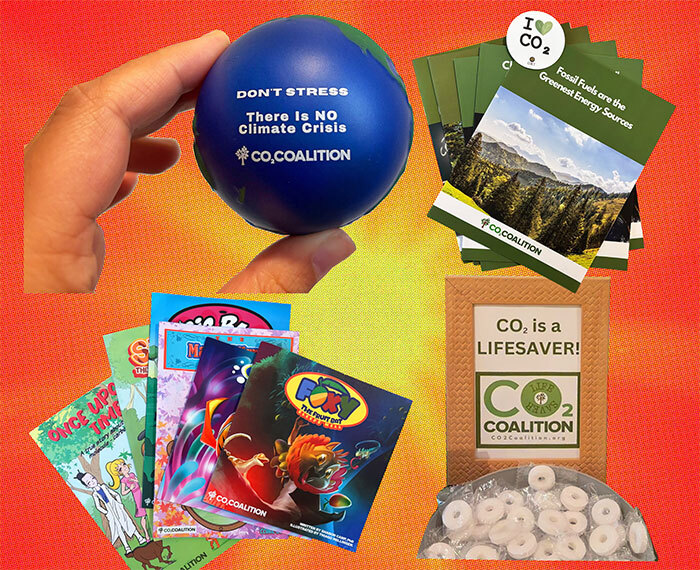
As a reporter who writes about climate misinformation, I’ve long been familiar with the Heartland Institute, a climate-denying think tank that has taken oil money and once even erected billboards comparing people concerned about global warming to the Unabomber.
On April 8, I attended a conference that Heartland hosted near the White House.
Some attendees approached me with apprehension. “The Guardian?” one man asked, noting my nametag. “Isn’t that a pretty left-wing paper? What are you doing here?”
Another attendee, the director of a different right-wing think tank that rejects the scientific consensus that climate change is human-caused and dangerous, greeted me warmly, calling me “girl.” Her group was trying to “save the planet,” she told me, from scary wind power that kills whales. (There’s no evidence it does anything of the sort.)
Some conference-goers were especially irked when I asked about their movement’s ties to Big Oil—Heartland, for instance, has received support from Shell and ExxonMobil. When I asked its president, James Taylor, where the group gets funding these days, he called the question “curious and disappointing.” Later, he claimed Heartland hasn’t taken oil money in nearly 20 years.
Just a few years ago, I might have ignored this gathering or dismissed it as fringe. But the Heartland Institute’s star has risen. Lee Zeldin, Trump’s widely derided EPA administrator, even gave the keynote speech. “I am here with great admiration,” he told the jubilant crowd.
The conference, dubbed “Climate Realism Rising,” served as a bit of a victory lap for the 200-odd climate deniers in attendance. President Donald Trump has, after all, regularly dismissed the crisis as a “hoax.” And his administration has made policy moves long championed by Heartland and other far-right groups, even rolling back the EPA’s endangerment finding—the legal underpinning for all US climate regulations—earlier this year.
The good news is that any rise in climate “realism”—a euphemism for denial—appears to be limited. Recent US polling indicates that believers outnumber deniers by more than 5 to 1, that two-thirds of Americans are worried about the climate crisis, and that nearly as many feel a personal responsibility to help do something about it.
Please check out my dispatch.
—Dharna Noor