|
|
I go out of my way to avoid soybean oil. It’s partly down to vague anxieties about inflammation and seed oils, but mainly because I dislike the weirdly synthetic aftertaste it leaves behind long after the meal is over.
But are my worries about soybean oil warranted? Is it really driving inflammation, or is it just a scapegoat? Today, registered dietitian Kirsten Seele digs into the research. |
|
|
|
|
|
|
Let’s put it to the expert,
Tim Snaith
Newsletter Editor, Healthline
|
 |
|
Written by Tim Snaith
April 23, 2026 • 3 min read |
|
|
|
 |
|
|
| Q: |
What’s the link between soybean oil, specifically, and inflammation? |
|
| A: |
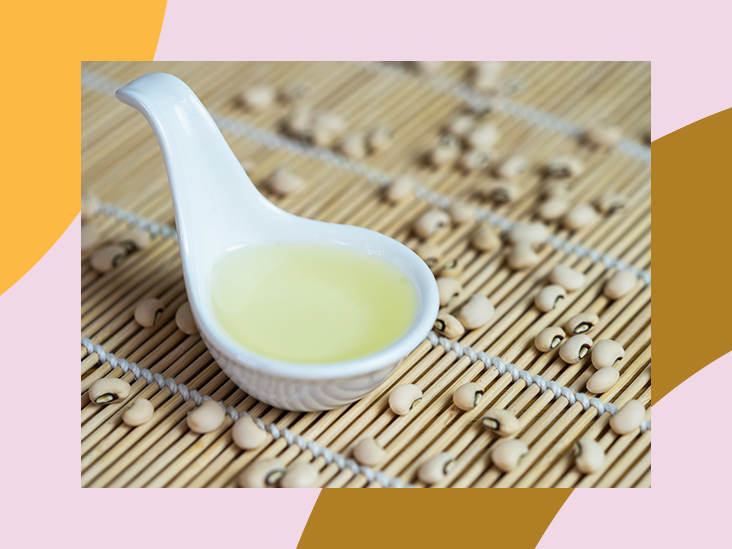
Lots of research has been done on the variety of vegetable oils on the market, but less specifically on soybean oil. So far, though, no conclusive link has been found between soybean oil and inflammation.
Inflammation is a complex immune response that can occur acutely when the body needs to heal from an injury, but it can also become chronic due to factors like pollutants, genetics, and even aging.
Of course, a host of lifestyle factors, including an unbalanced diet, can also lead to chronic inflammation. Long-term chronic inflammation can lead to an increased risk of cardiovascular disease, type 2 diabetes, and even dementia.
Common vegetable oils have recently been a topic of conversation due to the refining process and the current push for less processed foods. There have also been concerns about the increase in omega-6 fatty acid intake in our diets, found in vegetable oils and many of the food products we eat today.
More research is needed in this area for omega-6, but being mindful of processed food intake is key when navigating inflammation driven by excess calories and sugar from highly processed foods, like sodas and baked goods.
Research on soybean oil alone shows mostly positive health effects, especially when replacing saturated and trans fats in the diet. However, a recent study investigating very high linoleic acid intake from soybean oil suggests there could be downsides if too much is consumed.
As mentioned, many factors are at play in inflammation. It’s important to zoom out and look at dietary patterns as a whole, rather than zeroing in on a single food.
The anti-inflammatory diet highlights high omega-3 and monounsaturated fatty acid intake for fat sources, like fatty fish, avocados, and olive or canola oils.
If you want to make a few swaps to highlight these changes, here are a few ideas:
- Instead of using regular mayonnaise, opt for an avocado oil mayo.
- Choose one of these delicious homemade salad dressings to try instead of store-bought.
- Include a fatty fish, like salmon, in your diet twice per week.
|
|
|
|
| Kirsten Seele, Registered Dietitian |
|
| Want to learn more about food, diets, cooking, or some other nutrition subject? Let us know at nutritionedition@healthline.com and we’ll look into it for you! (Heads up, we may use your response in an upcoming newsletter.)
|
 RECIPE PICKCarrot Cake BitesBite-sized versions of the classic dessert made with grated carrots, cinnamon, and dates, coated with shredded coconut.GET THE RECIPE → |
|
|
|
| What we’re digesting |
| |


