As countries push back against ICJ's legal opinion on a fossil fuel phase out.
 

Sustainable Switch

Sustainable Switch

Climate Focus

By Sharon Kimathi, Energy and ESG Editor, Reuters Digital

Hello!

I’ve been ruminating on a comment by the European Union energy commissioner Dan Jorgensen about the Iran war and its impact on energy prices.

"We really do need to get rid of our dependency on gas as fast as possible. So for us, this means speeding up more clean energy," he told Reuters.

Are countries really ramping up their renewable energy implementation?

India and China have doubled down on green hydrogen at the same time that the West has quietly backed away from its ambitious green hydrogen goals from the start of this decade after cost constraints proved stickier than anticipated.

Plus, investors are betting on renewable energy stocks in China, the dominant maker of solar gear, on expectations that the war will boost global demand for renewables.

Countries in Southeast Asia and Africa rushed to import solar panels from China ahead of expected price increases due to an end to China's export tax refunds on April ⁠1, with the surge amplified by disruption to energy supplies due to the U.S.-Israeli war on Iran, analysts said.

The same rush for solar panels can be seen in Europe as demand for rooftop solar systems across the region has surged since the start of the Iran war, as households rush to shield themselves from soaring power prices triggered by the worst global energy disruption in history.

Over in the United States, a federal judge blocked President Donald Trump's administration from enforcing a series of permitting policies that wind and solar ‌energy industry groups say have stymied the development of new energy generation projects. 

But one avid reader pointed out that these are short-term movements following the ‘renewables paradox’ newsletter on March 27, which explored how higher prices help revenue, but higher rates pressure renewables projects.

“The real constraint now is delivery, not viability. Permitting, grid capacity and skills shortages are slowing deployment, even as the economic case for renewables strengthens,” said Harry Benham, senior adviser at independent financial think tank Carbon Tracker.

So, what now? Governments and climate leaders are gathering in Santa Marta, Colombia, for the first Conference on Transitioning Away from Fossil Fuels from today until April 29.

Delegates will be gathering to discuss the follow-up to the United Nations General Assembly resolution led by Vanuatu on state obligations regarding climate change, turning the International Court of Justice’s July 2025 opinion into actionable, mandatory climate measures.

“Phasing out our fossil fuels, delivering climate justice, and addressing climate harms are legal obligations, not political choices,” said Rebecca Brown, CEO and President of The Center for International Environmental Law (CIEL).

“Pushback from some countries – especially on fossil fuel language – only underscores the stakes. States that continue expanding fossil fuels, or ignoring climate harms, are acting unlawfully and risk real legal and political consequences,” said Brown.

“The science is clear. The law is clear. What’s missing is political will. This resolution is the bridge from principle to practice. Governments now face a choice: act in line with the law or be held accountable for failing both people and the planet.”


Climate Buzz

1. El Nino set to return in May, impacting global weather patterns and crops  

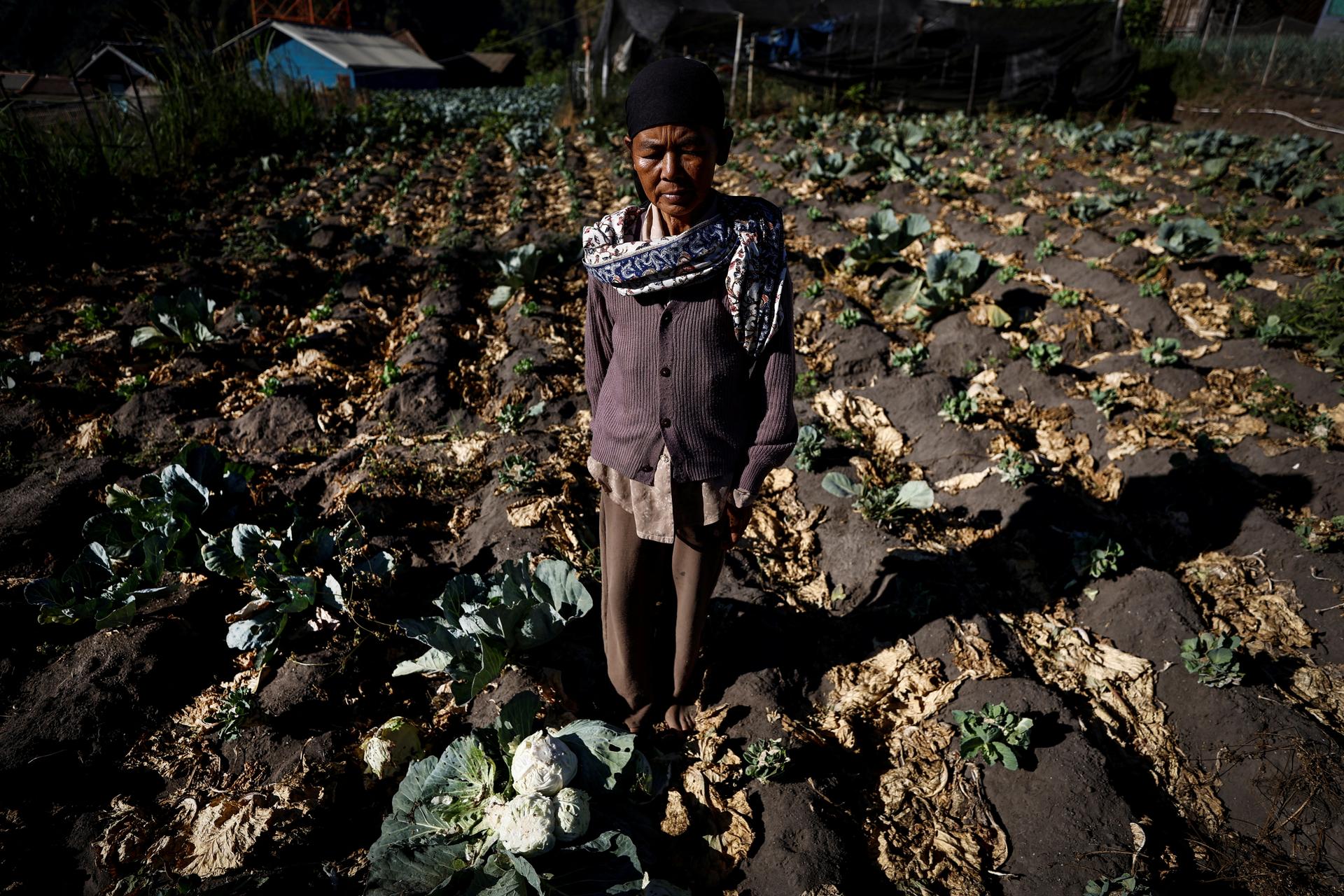
The return of El Nino weather conditions is expected from as early as May this year, potentially affecting global temperatures and rainfall ‌patterns, the World Meteorological Organization (WMO) said. Forecasts for the strongest El Nino in a decade promise hotter, drier weather across Asia in the second half of 2026, hitting crops and food supplies while farmers grapple with fertiliser shortages and costly fuel caused by the Iran war.

Click here for the Reuters explainer on El Nino.


Asih, a Tenggerese farmer, stands among her damaged cabbage crop in Ngadirejo village, East Java, Indonesia. REUTERS/Willy Kurniawan

2. Extreme heat threatens global food systems, UN agencies warn

A new report by the United Nations Food and Agriculture Organization (FAO) and the World Meteorological Organization (WMO) found that heatwaves are becoming more frequent, intense and prolonged, causing damage to crops, livestock, fisheries and forests, and threatening the livelihoods and health of more than a billion people.

Click here to read more.

3. Rising water risks drive push for common water reporting rules

The World Resources Institute, WWF and the U.N.-backed CEO Water Mandate, are pushing for a common accounting approach to track water use. The initiative aims to ‌launch ⁠later in April and is expected to be called Corporate Guidance for Assessing Water Scopes 1-3 in Value Chains.

4. Powered land and zombie projects: Real estate in the age of AI

Across Britain, owners of industrial sites, speculative investors, property developers and even farmers are burnishing the credentials of their land to cash in on the billions of dollars tech giants plan to spend on AI data centers. But many sites with data center ambitions have no power, which has led to an explosion in applications for grid connections. Click here for the full Reuters in-depth analysis.

5. Texas environmental network protests outside SpaceX analyst meetings

The South Texas Environmental Justice Network said its members protested outside SpaceX's Starbase launch facilities on Tuesday ahead of the IPO of South African billionaire Elon Musk's company. Network co-founder Bekah Hinojosa said she is urging investors to boycott the IPO due to worries about pollution from rocket launches ‌and safety issues.


What to Watch

 
Play 
 

Two years after its launch, Mexico's $25 billion Mayan Train is struggling. While governments over decades have promised that development would bring opportunity, many Maya community activists say instead that their forests have been fragmented, communal lands eroded and traditions strained.

Click here for the video and click here for the full Reuters image-led feature.


Climate Commentary

  • Ethical Corp Magazine contributor Sarah LaBrecque writes about the boost of interest in ‌thermal energy storage as renewables are gaining ground.
    • Reuters energy columnist Ron Bousso writes about living in the world in an age of more frequent energy shocks due to geopolitical and trade fragmentation. Click here to find out why he thinks there may be more frequent shocks in the decades ahead.
  • Click here for a column by Reuters global energy transition columnist Gavin Maguire, that explores how U.S. exports of liquefied natural gas have risen as Qatar’s LNG took a hit due to the Iran war.