Employee resistance during times of change can feel like a problem you need to fix quickly. But when you jump to solutions, you risk missing what the resistance is actually telling you. Change resistance is usually driven by one or more of the following underlying feelings. Here's how to address each one.
Loss: Identify what’s being left behind. Change always involves an ending. When someone pushes back, ask yourself what they’re losing. Name that loss directly and acknowledge the value of the old way before introducing the new. Then help people see where they can contribute going forward.
Anxiety: Reduce uncertainty through consistency. Uncertainty is a powerful stress trigger and can prevent the brain from processing information. Repeat key messages often—and check for understanding. Create space for questions and be honest about what you don’t know.
Lack of control: Give people a sense of ownership. Resistance often signals people feel powerless or excluded. Clarify where their input matters and involve them early enough to shape outcomes. Asking them to help solve implementation challenges will give them more ownership of the change.
Flaws in the change: Stay open to correction. Treat pushback as insight. Ask follow-up questions to understand operational concerns. Separate tone from substance, and be willing to adjust your plan based on what you learn. |
|
|
|
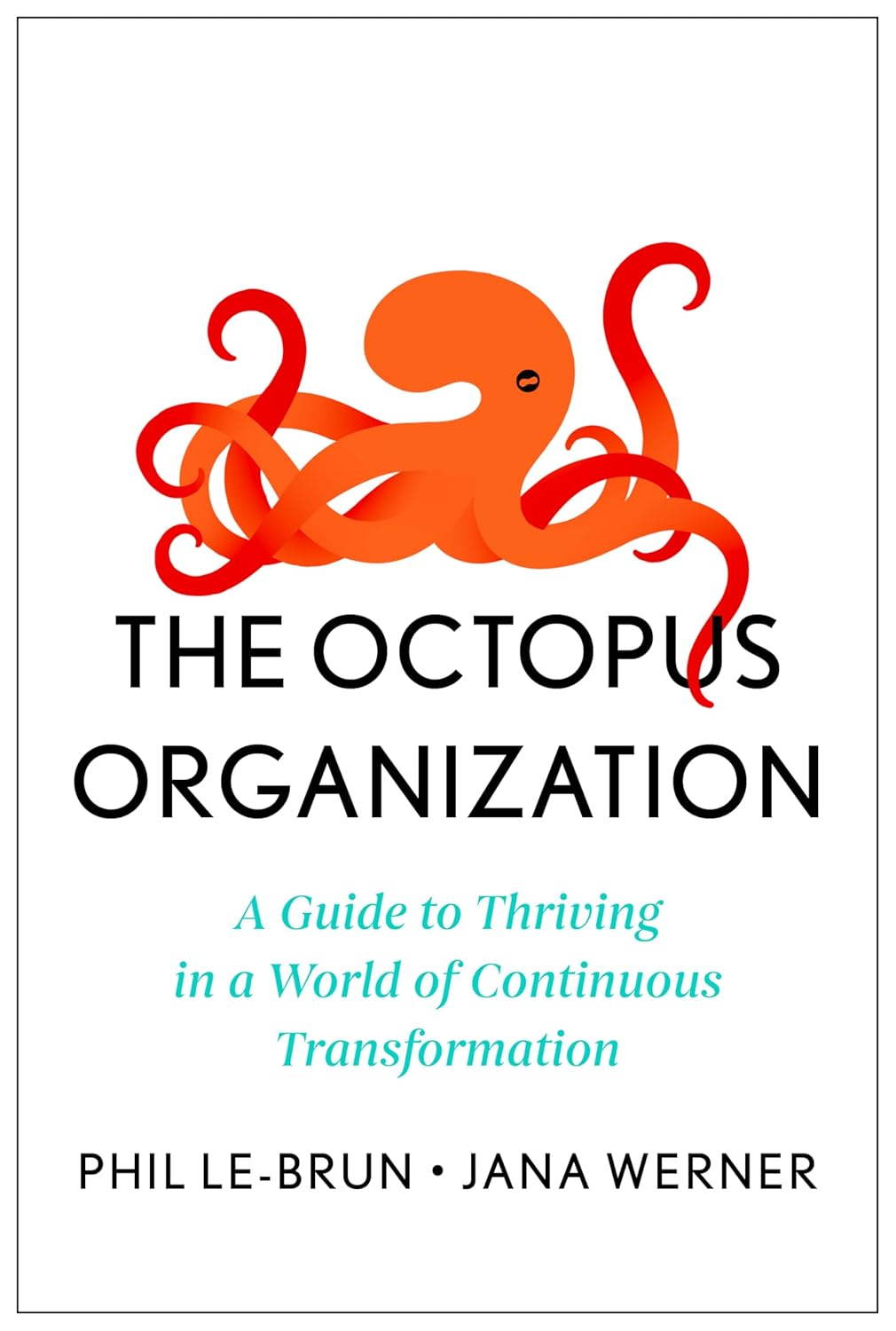
by Phil Le-Brun and Jana Werner |
| |
|
| Don’t forget you’re entitled to 20% off your first purchase* |
| |
|
| You’re already starting your day with a Management Tip. A subscription to HBR gives you access to the research, case studies, and frameworks behind each one, so you can lead smarter every day. |
| |
|
| Harvard Business Review Virtual Event |
Drive change and build trust in the AI age
Join us Wednesday, May 20. Featuring Arthur C. Brooks, Angela Duckworth, John Stankey, Carla Vernón, and more.
|
| |
|
|