The robotaxi race, Fujifilm’s Instax mini Evo Cinema camera and stories you might have missed.
Wednesday 6/5/26
The Monocle Minute
London Paris Zürich Milan Bangkok Tokyo Toronto

Sponsored by

Long Museum

Monocle

Good morning from Midori House. For more news and views, tune in to Monocle Radio. Here’s what’s coming up in today’s Monocle Minute:

THE OPINION: Will this year mark a Pyrrhic Victory Day in Russia?
TRANSPORT: The robotaxi race is heating up 
DAILY TREAT: Snap up Fujifilm’s Instax mini Evo Cinema camera
THE LIST: Stories you might have missed


The Opinion: affairs

In fear of Ukrainian retribution, Putin bunkers down for a more muted Victory Day 

By Andrew Mueller
<em>By </em>Andrew Mueller

It would be fascinating to know how far ahead Vladimir Putin of Russia was thinking when he ordered his legions across Ukraine’s borders in February 2022. If he gave much thought to the general picture around the 2026 observances of Victory Day – the Russian holiday that commemorates the Nazi surrender in 1945 that takes place on Saturday – he might well have imagined Russia’s flag flying over Kyiv, Odesa and even Moldova, the sputtering remnants of Free Ukraine confined to a few western oblasts around Lviv. Perhaps, he thought, he might send a sarcastic postcard to whichever Siberian penal colony now confined that impertinent comedian Volodymyr Zelensky.
 
Unless Putin proves to have been a surprisingly assiduous diarist, we will never find out. We can, however, be certain that he did not anticipate the present circumstances that this year’s Victory Day build-up has brought into sharp focus. Zelensky, Putin’s nemesis, is not only still in office but conceivably Earth’s most admired individual. Earlier this week he also skipped down the steps of his official jet to attend a European Political Community summit in Yerevan, capital of Armenia – both a former Soviet republic and a country the Putin of 2022 would have assumed was intractably in Russia’s orbit.

 
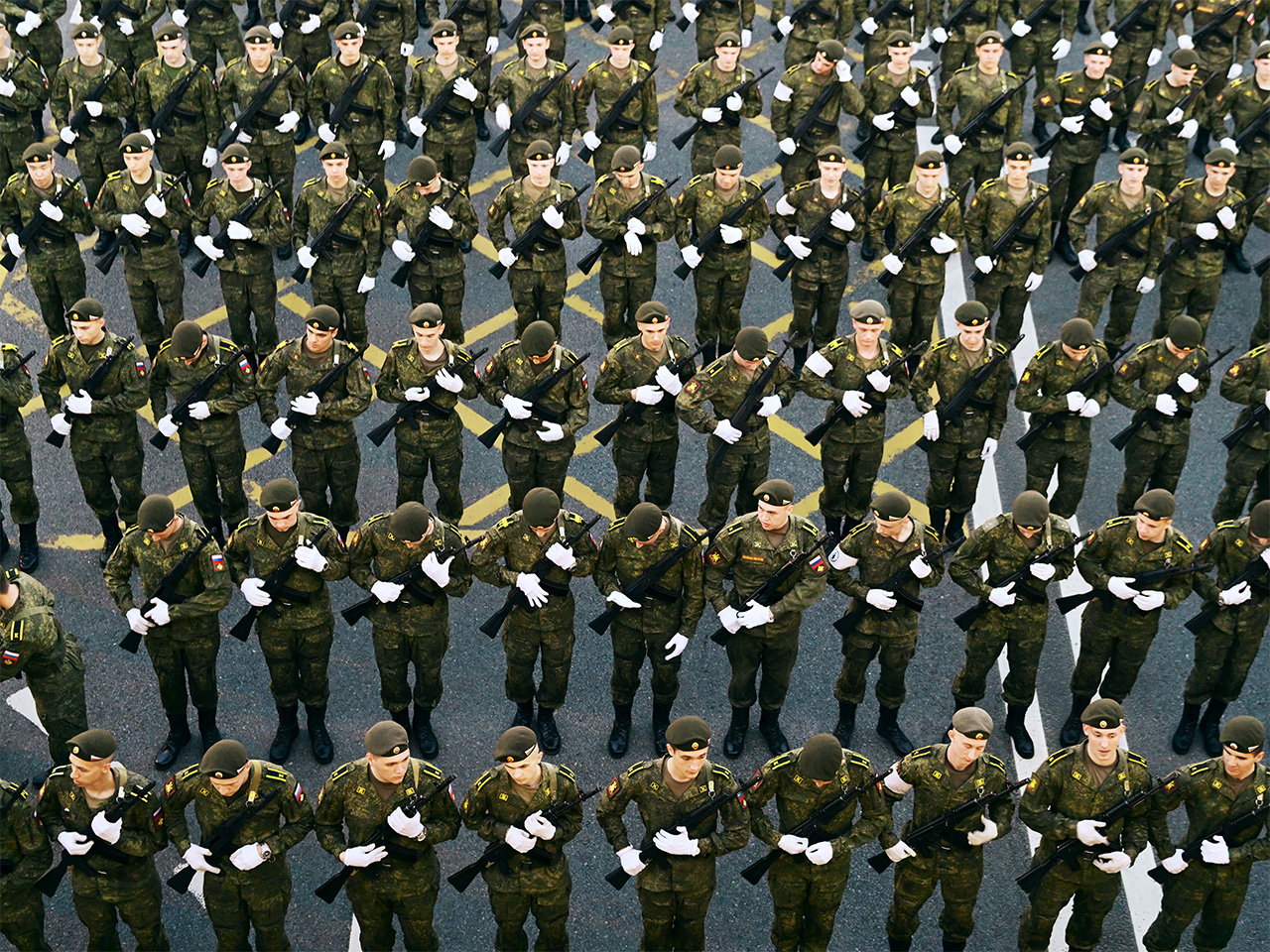
Up in arms: Russia scales down its Victory Day amid threats from Ukraine

On the battlefield in Ukraine, Russia has incurred – by Ukrainian estimations – around 1.3 million casualties. Though Ukraine has also suffered dreadful losses, it is remaking itself as the arsenal not only of Europe but also the Middle East, exporting its air defence and drone expertise to Gulf countries beset by Russian ally Iran. Ukrainian drones strike inside Russia frequently: in the early hours of Monday, one hit an apartment block in the fancy Moscow neighbourhood of Ramenki, 11 stops on the metro from Red Square, over which the Victory Day parade will trundle.
 
That event itself will not be the awesome pageant of Russian firepower that Putin would have preferred beaming at from the reviewing stand. It was announced last week that proceedings would be scaled down due to a “terrorist threat” from Ukraine, which we should interpret as fear that Ukrainian drone operators might perceive this display of martial grandeur as an irresistible target for mischief. This week, Russia was reduced to suggesting a ceasefire for 8–9 May and expressing hope that Ukraine would join it. Zelensky retorted by suggesting one for 5–6 May and expressed hope that Russia would join it, waspishly noting that “human life is incomparably more valuable than the ‘celebration’ of any anniversary”.
 
More miserably still for Putin, plausible reporting suggests that he is now contemplating all of the above largely from bunkers. He has made only two public appearances this year and images of him on television are substantially pre-recorded. He is said to be plagued by fear of assassination – especially since last December’s car-bombing of Lieutenant General Fanil Sarvarov and February’s shooting of Lieutenant General Vladimir Alexeyev, both in Moscow – or a coup. He meets few people in person and his personal staff are forbidden from using smartphones or public transport. He is said to be morbidly micromanaging the war in Ukraine. A keen student of history, Putin will be well aware of the unhappy parallels that might be drawn with another leader whose ambitions of territorial expansion had gone awry in 1945, finding himself cloistered in a subterranean lair, frantically moving imaginary divisions around a map, accompanied by only the most dogged of loyalists.
 
It is, of course, far from impossible that these reports, originating with European intelligence services, are some combination of wishful thinking and “psychological operations” intended to further stoke Putin’s paranoia. But nobody’s patience lasts forever, not even Russia’s. Saturday will be Putin’s fifth Victory Day since the full-scale invasion of Ukraine began – and there’s still no victory in sight.
 
Andrew Mueller is a contributing editor and the host of Monocle Radio’s The Foreign Desk. For more opinion, analysis and insight, subscribe to Monocle today.

Further reading:
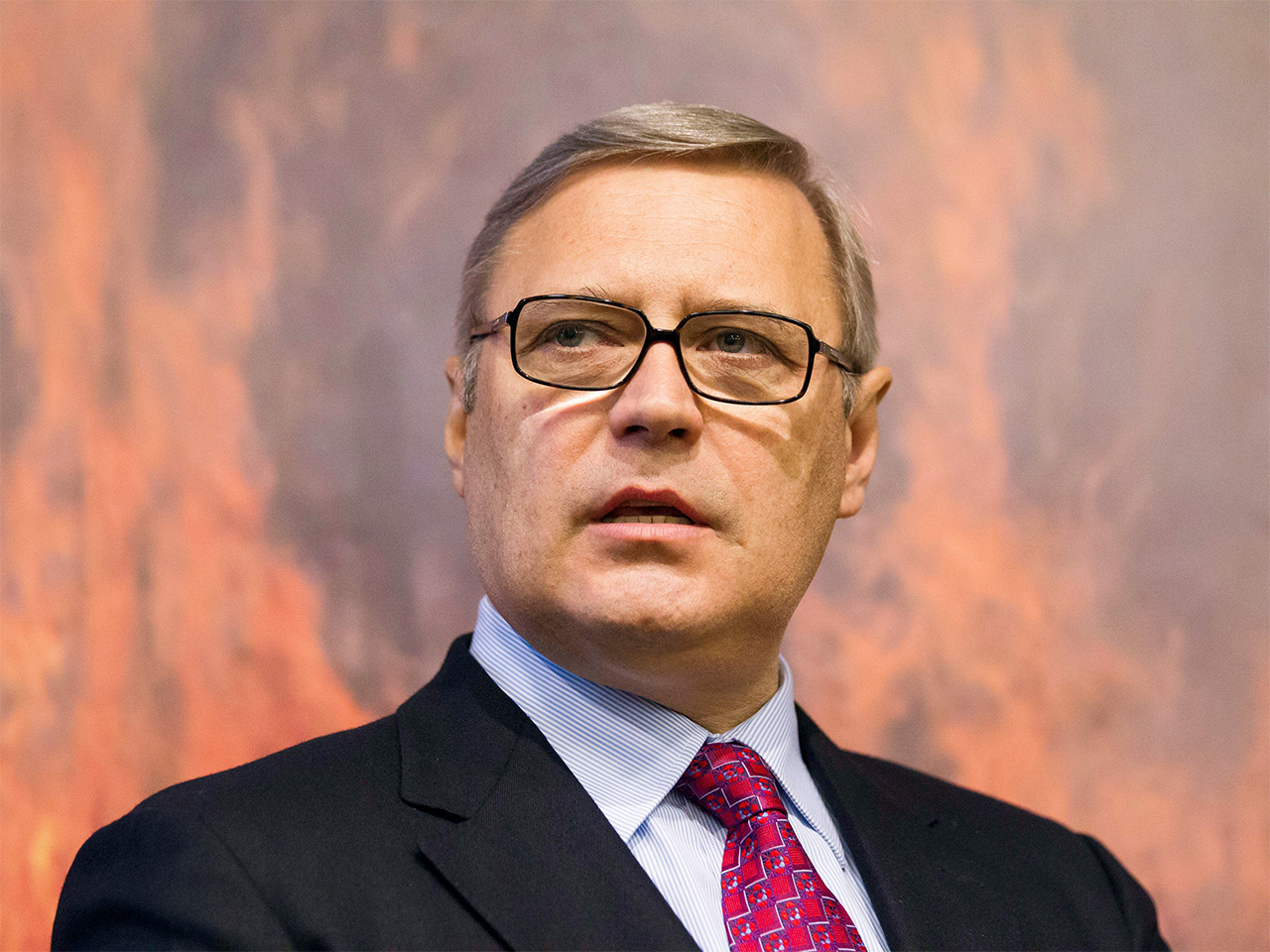
- ‘Putin is poisoning generations of Russians’: Mikhail Kasyanov on the future of the nation he once led


Wallace Chan: Vessels of Other Worlds

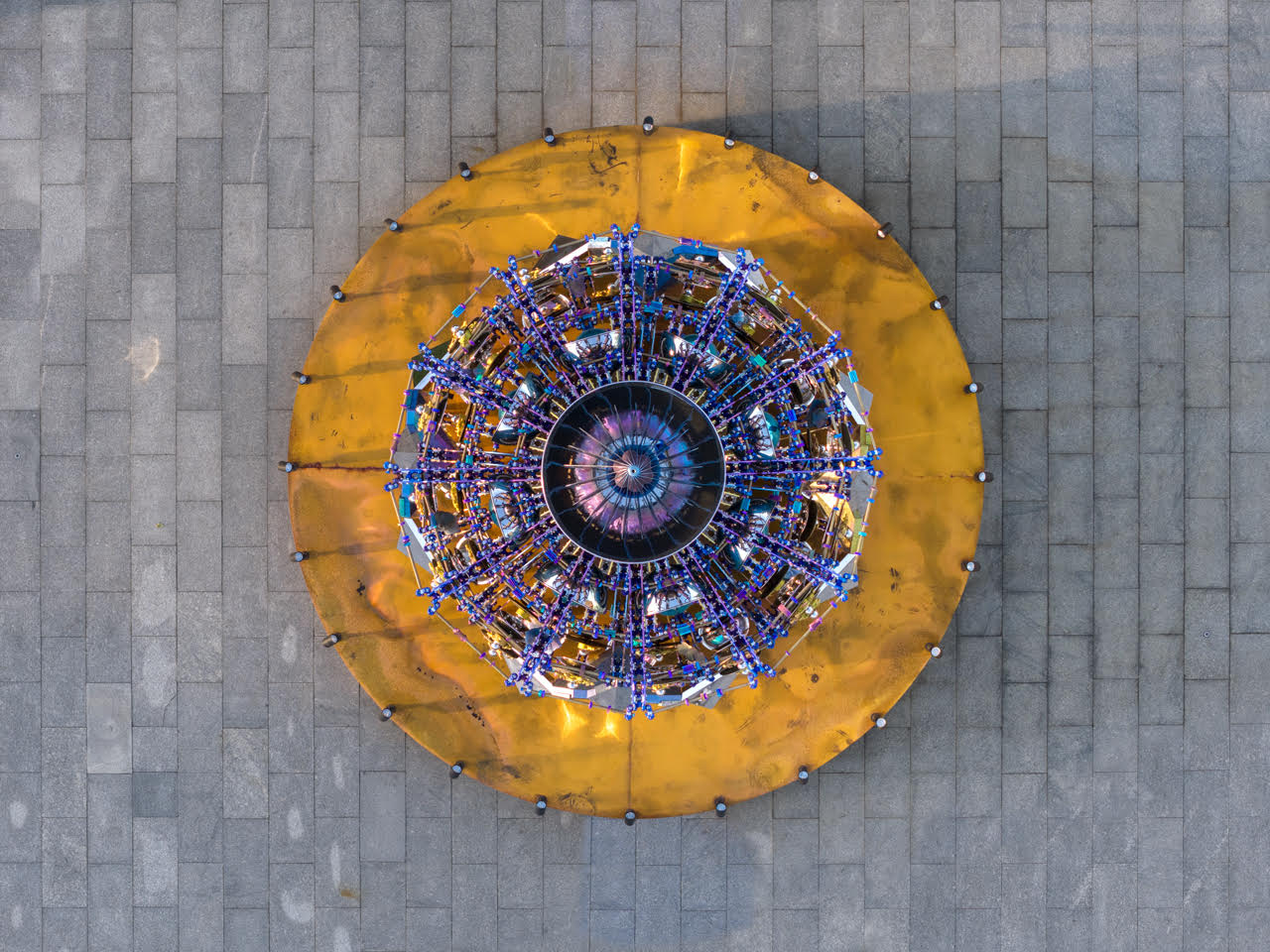
Opening during the Venice Biennale, ‘Vessels of Other Worlds’ sees Wallace Chan return to the Italian city for his fourth exhibition. Debuting at the Pietà Chapel, Venice, from 8 May to 18 October, before running concurrently at Shanghai’s Long Museum West Bund from 18 July to 25 October, this dual-site exhibition marks Chan’s 70th birthday and unveils a new body of monumental titanium sculptures.

Discover more

Sponsored by Long Museum


The Briefings

transport: global

Driverless cars are speeding ahead but the race has its red flags 

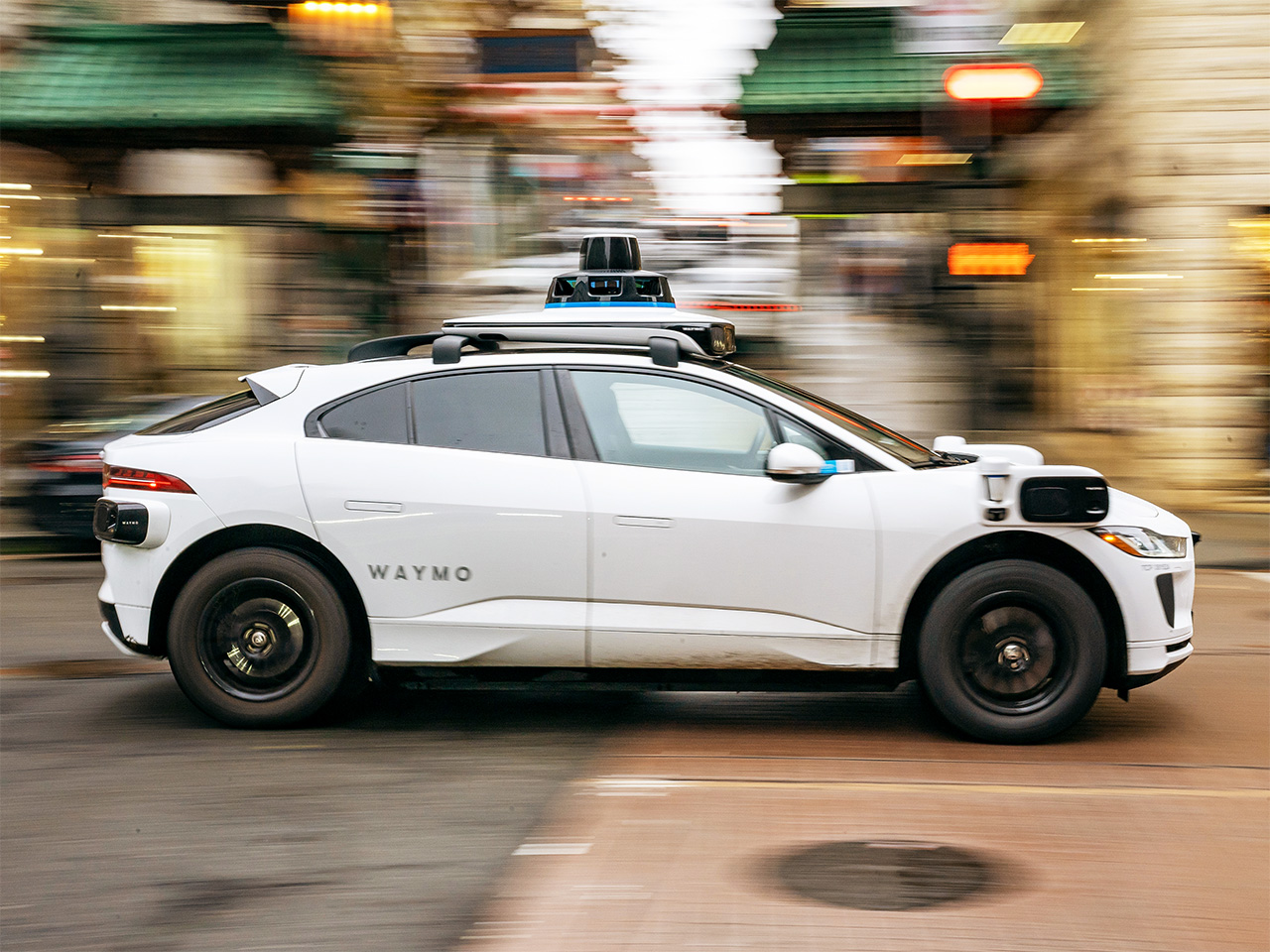
The robotaxi race shows no signs of slowing – despite bumps along the way (writes Ed Stocker). In the US, Alphabet’s Waymo is leading the pack, recently surpassing 500,000 rides a week and currently operating its self-driving taxi fleet in a string of key cities from Atlanta to San Francisco (its two main rivals are Tesla and Zoox). But the race is far from over: Waymo is eyeing expansion to London, where it recently started testing, and Tokyo. Back in March, Estonian ride-hailing app Bolt and Nvidia announced a new partnership to expand autonomous vehicles. 

 
In the driving seat: Waymo looks to forge ahead in the robotaxi race

But controversies remain: from driverless vehicles being attacked during protests to crashes (global leader China recently slowed its rollout after a mass system failure in Wahun). And then there’s the legislative nightmare, including who to charge for a traffic violation. From the start of July in California, authorities will be able to start ticketing driverless cars, with the manufacturer picking up the bill. For the sake of their wallets, the companies in this tech tussle will need to iron out the kinks quickly. 

Further reading:
- How driverless taxis and remote-controlled cars have shifted into Estonia’s fast lane

- In the UAE, flying taxis will soon be a reality


• • • • • DAILY TREAT • • • • •

Snap up Fujifilm’s Instax mini Evo Cinema camera

The look and vertical shooting style of this fun-packed device was inspired by Fujifilm’s Fujica Single-8 P1 film camera, which was released in 1965. The result is a satisfyingly tactile gadget hybrid: an all-in-one instant camera, smartphone photo printer and video recorder that brings digital convenience to analogue rituals.

The camera is easy to use (just click in a film cartridge) and offers visually compelling prints, as well as endless options for tinkering with stills and footage. Fujifilm is making a strong case for using a real camera instead of your smartphone.
global.fujifilm.com


Sponsored by Long Museum


the LIST: FROM monocle.com

Stories you might have missed

Not been on monocle.com recently? Here are three updates worth your while.

‘Putin is poisoning generations of Russians’: Mikhail Kasyanov on the future of the nation he once led


Seven pieces to elevate your wardrobe this week


Why I’m hooked on French reality show L’Agence


Monocle Radio: The Bulletin with UBS

The UBS ‘Global Next Generation Report’

As the next generation inherits wealth in an unprecedented transfer, how will their perspectives and preparations reshape markets, institutions and social priorities? UBS head of global next-generation solutions, Anastasia Deryagina, explains.


Listen to the episode on monocle.com
Listen on Apple Podcasts