Image

Daily News Brief

May 6, 2026


Dear readers,


The Daily News Brief is taking a hiatus after Friday, May 15, and will return in a refreshed form after Labor Day.


With global events unfolding in unprecedented ways, the Council on Foreign Relations is committed to helping our members and community make sense of a rapidly changing world. Our flagship newsletter will be reimagined to bring you the same global news you expect, alongside analysis from our experts and glimpses from inside the Council—a weekday afternoon dispatch you won't find anywhere else.


It has been our honor to land in your inbox each morning. Reply to this email to share feedback or sign up for updates as we test new formats this summer. (We read every email.)


Warm regards,


The Daily News Brief team


Welcome to CFR’s Daily News Brief. Today we’re covering the pause of a U.S. mission to facilitate shipping in the Strait of Hormuz, as well as...

  • Russia’s rejection of a Ukraine-announced ceasefire
  • The collapse of Romania’s pro-European government
  • Tightening Japan-Philippines security ties


Top of the Agenda

President Donald Trump announced yesterday that the United States had paused efforts to guide ships through the Strait of Hormuz while negotiations with Iran move forward. Pausing the mission announced just this week would allow space for a deal with Iran to be finalized, he wrote on social media, claiming “Great Progress” had been made. The two sides are currently considering a memorandum of understanding to end the war and kickstart a thirty-day period of negotiations to open the strait, limit Iranian nuclear activities, and relax U.S. sanctions, four unnamed sources told Axios. 


The latest diplomacy. Pakistani Prime Minister Shehbaz Sharif, whose country has acted as a key mediator, wrote on social media today that Pakistan, Saudi Arabia, and others had requested Trump pause the U.S. shipping mission after it triggered hostilities in the strait on Monday. Chinese Foreign Minister Wang Yi called for a ceasefire today after meeting with Iranian Foreign Minister Abbas Araghchi, who said Tehran would only accept a “fair and comprehensive agreement” with the United States.


The status in the strait. Trump announced the U.S. blockade on Iran’s coastline would remain in place despite the suspension of the shipping mission. Regardless of the successful transit of two U.S.-flagged ships earlier this week, the strait remains mostly closed. A French ship was attacked in the strait on Tuesday and its crew injured, its owner said. As restrictions on energy flow in the Persian Gulf continue, the U.S. national average price of gasoline breached $4.50 per gallon yesterday for the first time since Russia’s 2022 invasion of Ukraine. 


“There is no doubt that using the strait to both impose costs on the international community as well as extract revenues in terms of tolls on ships has entered Iran’s strategic calculation. Given the difficulty of revamping the nuclear program, [weaponizing the strait] has even gained priority. But that does not mean that the thirty-five-year project of reaching at least the status of a threshold state has been abandoned.”

—CFR Senior Fellow Ray Takeyh tells The World This Week


The Iran War Shock Is a Wake-Up Call for Energy Innovation

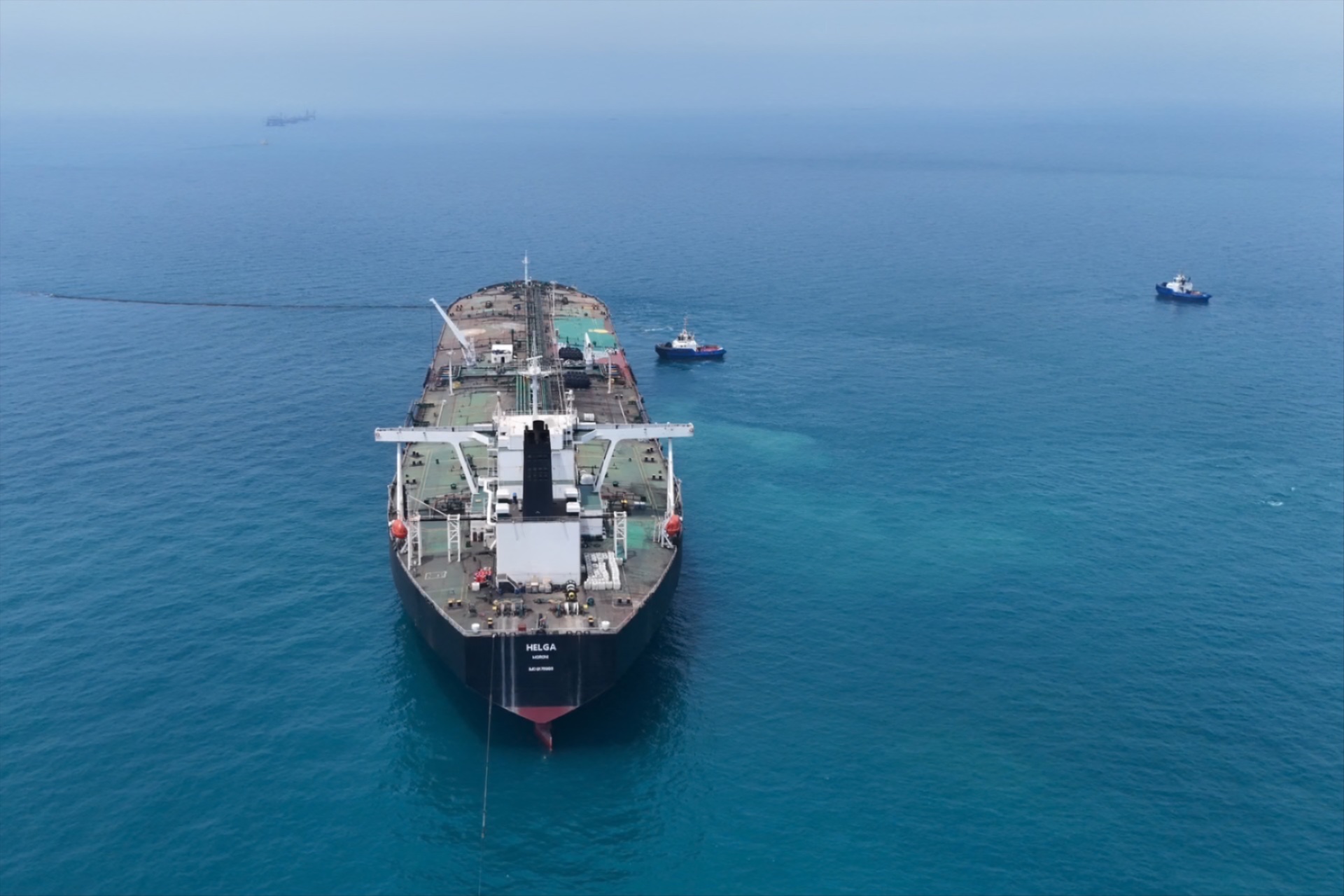
Drone view of oil tanker HELGA berthed at one of Iraq’s southern offshore oil terminals near Basra as it prepares to load crude oil, becoming the second vessel to arrive since the closure of the Strait of Hormuz, April 24, 2026.

Mohammed Aty/Reuters

Rationing and stockpile releases are only short-term backstops as the Iran war reshapes global energy markets, Senior Fellow David M. Hart writes in this article. 


Across the Globe

Russia rejects Ukraine’s ceasefire. Russia fired dozens of drone strikes at Ukraine overnight despite Kyiv announcing a ceasefire that was set to begin at midnight, Ukrainian officials said. Both countries announced ceasefires for different dates this week, with neither accepting the dates proposed by the other.


Romanian government collapse. The country’s pro-European government collapsed yesterday after losing a no-confidence vote. The leftist Social Democrats split from the governing coalition over the government’s austerity measures, joining the far right to approve the no-confidence motion. Centrist President Nicușor Dan, who nominates the country’s prime minister, said he anticipated another pro-European government would form. Romania is due to hold a general election in 2028 and has never staged an early vote.


Japan-South Africa energy cooperation. Tokyo will accelerate plans for a loan to Pretoria denominated in yen, unnamed Japanese officials told Bloomberg. The funding will be used for energy investments. Japan plans to help South Africa use ammonia—which can be made from green hydrogen—to reduce emissions at coal-fired power plants. 


EU-U.S. trade deal timeline. The top European Union (EU) trade official urged his U.S. counterpart yesterday to adopt a 2025 trade deal by July, a European Commission spokesperson said. That deal included a 15 percent base tariff rate for European goods, lower than the 25 percent Trump threatened on European cars and trucks last week. Europe has not yet ratified the agreement, but Brussels has said it aims to approve it next month ahead of its one-year anniversary. 


Saudi Arabia’s defense spending. Riyadh spent 26 percent more on defense in the first quarter of 2026 than during the same period last year, according to figures published yesterday. Its deficit rose to the highest level since 2018. Saudi Arabia’s Public Investment Fund said last month the Iran war might cause it to adjust some of its priorities.


Philippines-Japan security talks. The two countries agreed yesterday to launch negotiations on a deal for Japan to supply used warships to the Philippines. In a joint statement made at a meeting in Manila, their defense chiefs voiced concern over China’s “coercive activities” in disputed waters.


North Korea drops unification goal. North Korea changed its constitution to remove a goal of legal reunification with South Korea, a researcher announced at a South Korean government press conference today. The revised constitution acknowledges South Korea as a neighboring country and does not include details about the countries’ disputed maritime border. Pyongyang did not immediately comment on the constitutional change.


Norway’s oil and gas expansion. The country's state-owned energy company announced yesterday it has resumed production at a gas field that it had previously written off as being commercially unviable. It moved to activate the field during the energy shock caused by Russia’s invasion of Ukraine. In the wake of the Iran war, Norway’s government is offering up seventy new oil and gas exploration permits.


Where Are U.S. Forces Deployed in Europe?

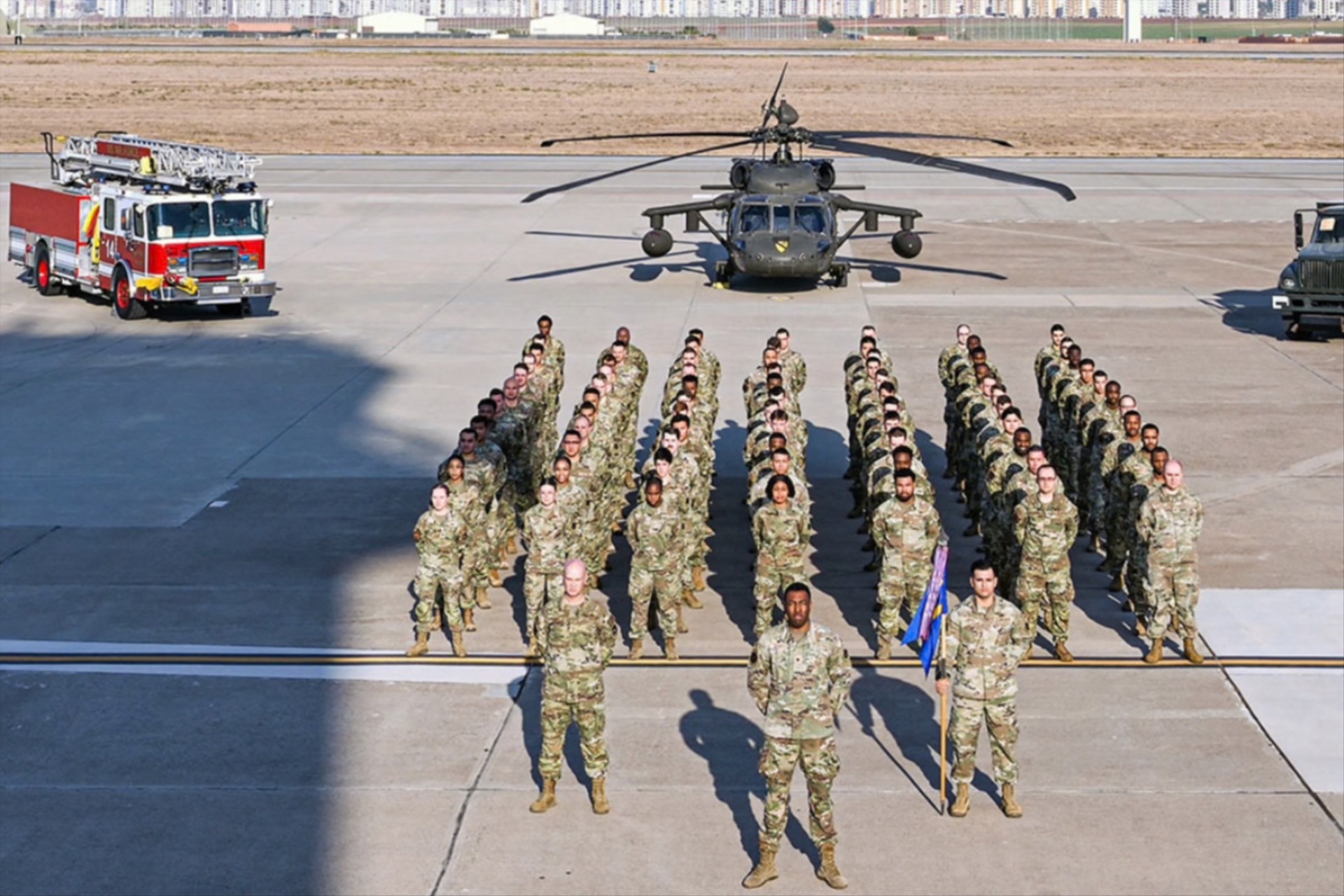
The 39th Communications Squadron stands in a formation at the U.S. Incirlik Air Base, in Turkey.

U.S. Air Force

Reducing U.S. military forces in Europe would signal a significant shift in security on the continent, CFR’s Molly Carlough, Benjamin Harris, and Abi McGowan write in this article.


What’s Next

  • Today, the General Council of the World Trade Organization starts a two-day meeting in Geneva.
  • Today, the Association of Southeast Asian Nations summit begins in the Philippines.
  • Tomorrow, U.S. Secretary of State Marco Rubio visits the Vatican.


Tenets of Earning Trust as a Foreign Correspondent

Carla Anne Robbins

Photo Collage by Lucky Benson

Being fair, doing background research, and respecting people’s time help sources open up, Senior Fellow Carla Anne Robbins tells CFR’s Mariel Ferragamo in this article. 


Council on Foreign Relations