Image

Daily News Brief

May 7, 2026


Dear readers,


The Daily News Brief is taking a hiatus after Friday, May 15, and will return in a refreshed form after Labor Day.


With global events unfolding in unprecedented ways, the Council on Foreign Relations is committed to helping our members and community make sense of a rapidly changing world. Our flagship newsletter will be reimagined to bring you the same global news you expect, alongside analysis from our experts and glimpses from inside the Council—a weekday afternoon dispatch you won't find anywhere else.


It has been our honor to land in your inbox each morning. Reply to this email to share feedback or sign up for updates as we test new formats this summer. (We read every email.)


Warm regards,


The Daily News Brief team


Welcome to CFR’s Daily News Brief. Today we’re covering an Israeli attack on Lebanon’s capital, as well as...

  • Trump’s new counterterrorism strategy
  • A new record for U.S. fuel exports
  • A repatriation plan for a ship experiencing a hantavirus outbreak


Top of the Agenda

Israel bombed Beirut for the first time yesterday since it agreed to a ceasefire in Lebanon last month. The attack on the city’s suburbs underscored how fighting in Lebanon could pose an obstacle to a regional peace deal—even as Iran studies a U.S. proposal to end the war. A draft U.S.-Iran agreement would include a ceasefire in Lebanon, Israel’s Channel 12 reported, while unnamed U.S. officials told the Wall Street Journal that multiple different drafts of a deal are being considered. 


The latest in Lebanon. Israel’s military said today that yesterday’s attack killed a Hezbollah commander in Beirut’s suburbs. Hezbollah did not immediately comment. The Israel-Lebanon truce agreed to last month stipulated that Israel would only conduct defensive operations. While Trump said at the time that he looked forward to hosting the Israeli and Lebanese leaders, Lebanese Prime Minister Nawaf Salam said yesterday it was premature to discuss any high-level meeting.


The latest between Washington and Tehran. U.S. President Donald Trump said yesterday that the two countries had carried out “very good talks” and that Iran had agreed not to obtain a nuclear weapon. Iran’s mission to the United Nations wrote on social media that the only “viable solution” to the shipping quagmire in the Strait of Hormuz was a permanent end to the war and to the U.S. blockade of Iran’s coastline. 


New reporting on combat dynamics. At least 228 structures or pieces of equipment at U.S. military sites across the Middle East have been damaged since the start of the Iran war, the Washington Post reported yesterday based on a review of satellite images. A U.S. military spokesperson told the Post that damage assessments could be misleading. 


Most U.S. personnel moved out of regional bases at the start of the war, making cooperation with U.S. partner countries in the Gulf more important for Washington’s military strategy. For example, Saudi Arabia denying base and overflight access to the United States contributed to Trump quickly ending a mission in the Strait of Hormuz earlier this week, NBC News reported yesterday citing unnamed U.S. officials.


“The war with Iran will not bring about regime change in Tehran, end its nuclear program, or eliminate its ability to deny use of the Strait of Hormuz to others. Continued war or escalation would not bring the United States closer to accomplishing these goals. On the contrary, it could lead to an outcome in which the region’s energy infrastructure is further damaged…Both the United States and Iran would benefit from a diplomatic outcome.” 

—CFR President Emeritus Richard Haass on Substack


The Potential Value of Tolling the Strait of Malacca

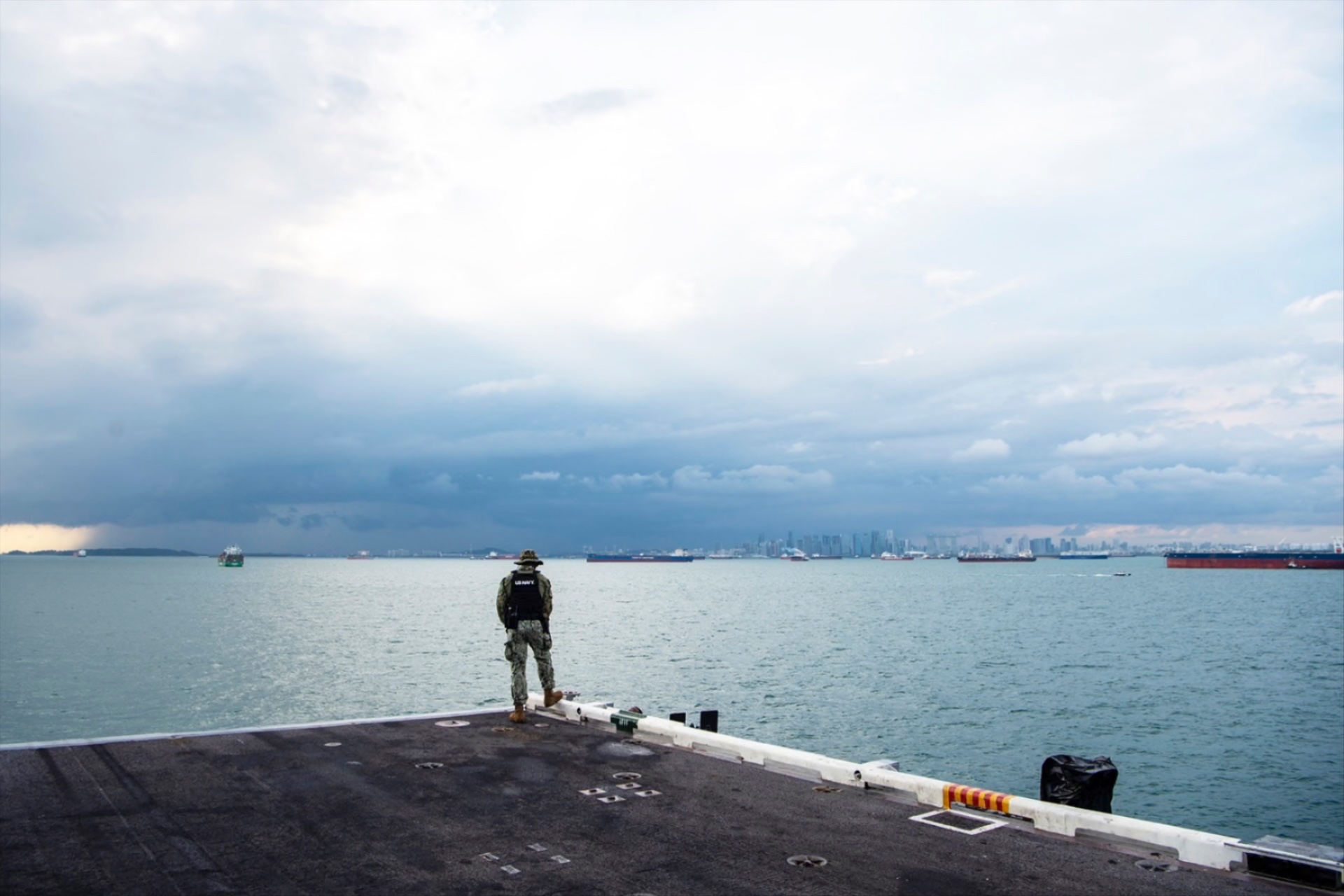
Master-at-Arms third Class Elisha Francois stands watch as the Nimitz-class aircraft carrier transits the Strait of Malacca, December 28, 2024.

Petty Officer Third Class Nathan Jordan/U.S. Navy

In Southeast Asia, there is an even more critical global maritime passage than the Strait of Hormuz, Senior Fellow Joshua Kurlantzick writes in this Expert Take.


Across the Globe

New U.S. counterterrorism strategy. The Trump administration released a counterterrorism strategy yesterday focused on countering narcoterrorism, Islamist terrorism, and violent left-wing extremism. It lists drug groups in the Western hemisphere as its first priority. It also pledges to neutralize violent political groups with “anti-American, radically pro-transgender, and anarchist” ideology but says the administration will not use counterterrorism powers to target people “who simply disagree with us.” The strategy dropped the Biden administration’s pledge to counter threats of right-wing extremist and white supremacist domestic terrorism.


Record for U.S. fuel exports. The United States exported an all-time high of 8.2 million barrels per day of refined fuel last week, government data showed yesterday. The White House has ruled out an export ban in order to ensure fuel reaches European and Asian allies squeezed by the Iran war, though analysts told the Financial Times that rising U.S. gas prices could pressure Trump to reverse course.


Repatriations from ship with virus. A cruise ship on which three passengers have died from the rodent-borne hantavirus will dock in Spain’s Canary Islands to repatriate its remaining passengers, Spain’s government announced yesterday after reaching a deal with the World Health Organization. Eight cases of the virus have been confirmed on the ship, but World Health Organization chief Tedros Adhanom Ghebreyesus said yesterday that “for now, the risk to the rest of the world is low.” 


Israeli strikes in Gaza. Israel wounded the son of a Hamas negotiator and killed at least five people in strikes across Gaza yesterday, medics and Hamas sources told Reuters. Hamas and other Palestinian groups are still indirectly negotiating the terms of a peace plan with Israel; they held talks in Cairo this week with an envoy from Trump’s Board of Peace.


India-Vietnam ties. The two countries upgraded their bilateral relations to an “enhanced comprehensive strategic partnership” during Vietnamese President To Lam’s visit to New Delhi yesterday. They set a goal of increasing bilateral trade from around $16 billion currently to $25 billion by 2030, agreed to open their markets to certain agricultural goods, and pledged to deepen rare earth cooperation. 


G7 talks critical minerals. Critical minerals coordination will be a focus of the Group of Seven (G7) summit next month, France, the bloc’s rotating president, said at a G7 trade ministers’ meeting yesterday. The group is discussing establishing a permanent secretariat at either the International Energy Agency or the Organization for Economic Cooperation and Development to increase the global supply of the minerals, five unnamed sources told Reuters. European countries are reportedly wary of Washington leading the project due to concerns it could restrict mineral access in crisis situations.


Hungary’s new anti-graft probe. The country’s police announced late Tuesday they are probing an ally of outgoing Prime Minister Viktor Orbán for alleged money laundering. The defendant said he would cooperate with police. Prime Minister-elect Péter Magyar, who takes office Saturday, has pledged anti-corruption measures will lead his agenda. 


Ivory Coast scraps election authority. The government announced yesterday it had disbanded the country’s election commission in a bid to restore public trust in elections and will replace it with a new body. The move follows widespread public criticism of the commission. President Alassane Ouattara won almost 90 percent of votes in last October’s election after multiple opponents were banned from the contest.


The Global Fight for Press Freedom

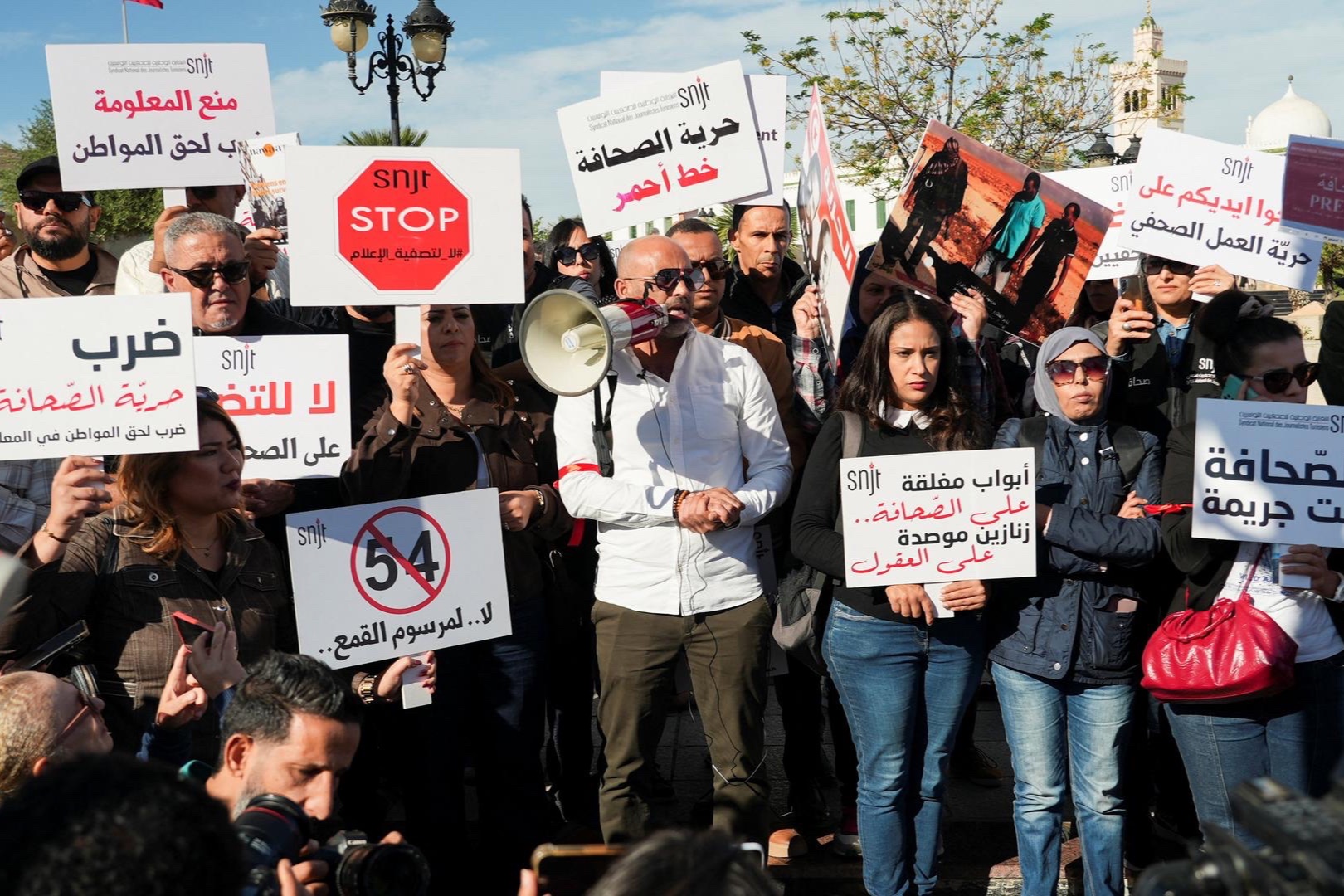
Tunisian journalists rally near the government's office, holding signs to protest press restrictions, in Tunis, Tunisia, November 20, 2025.

Jihed Abidellaoui/Reuters

The average score of all 180 countries and territories surveyed in the Reporters Without Borders press freedom index is at its lowest in twenty-five years. Experts discussed how to protect independent reporting at this CFR meeting.


What’s Next

  • Today, German President Frank-Walter Steinmeier visits Finland.
  • Today, Brazilian President Luiz Inácio Lula da Silva visits Washington, DC.
  • Today, the United Kingdom holds local elections in England and parliamentary elections in Wales and Scotland.
  • Tomorrow, Laura Fernández is sworn in as president of Costa Rica.


How Aid to Gaza Compares Across Arab Countries

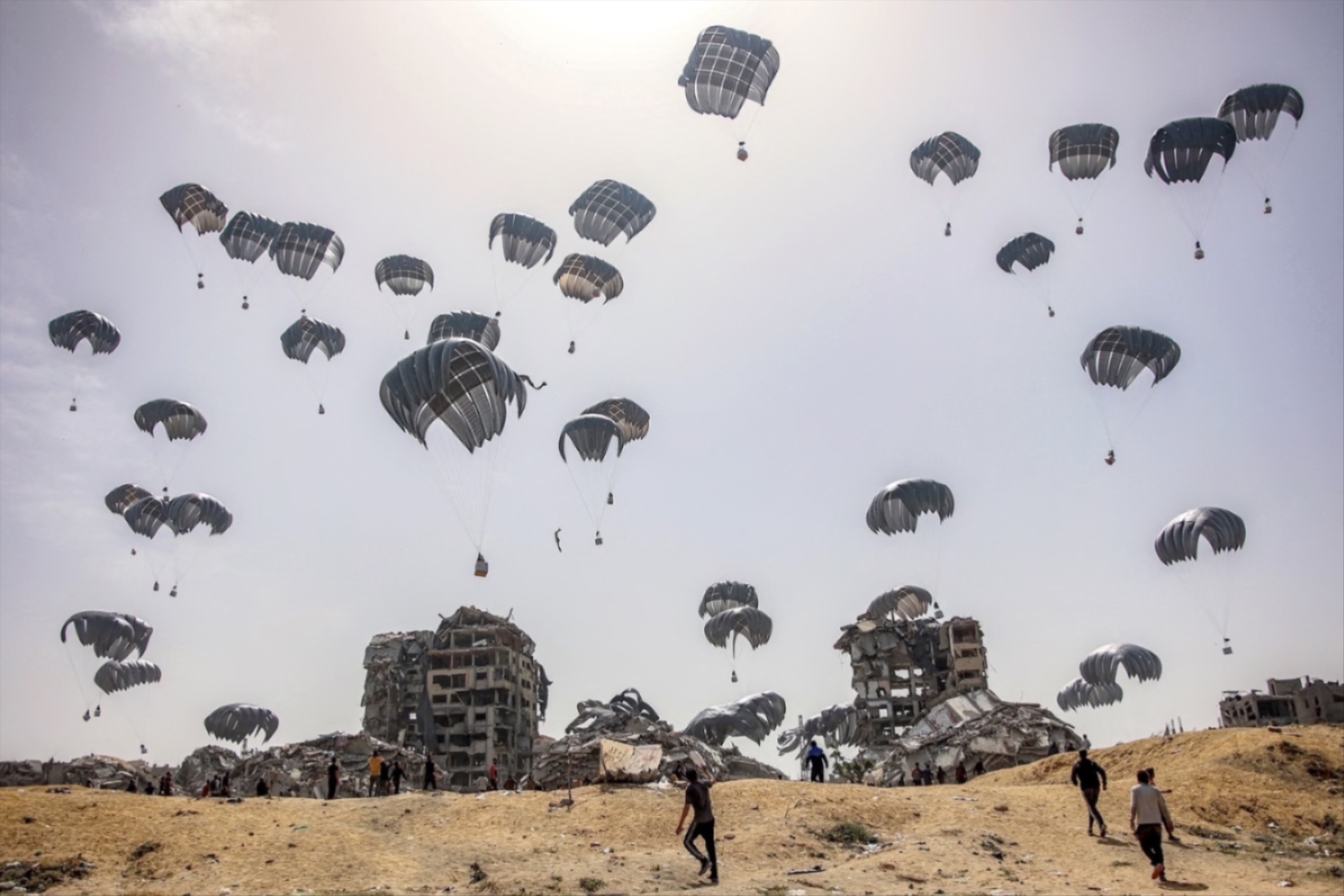
Palestinians rush to accept the parachuting humanitarian aid packages dropped over the northern Gaza Strip on April 23, 2024.

Omar al-Qattaa/AFP/Getty Images