Hello!
The Iran war is the focus of today’s newsletter as the foreign ministers of the BRICS group meet in India in a bid to reach a unified position and produce a joint statement. The meeting comes as fuel shortages hit nations across the group from India to South Africa.
But before we dive in, I’ve got a little announcement to make to my Switchies. I’ll be off for the next two weeks as I’m getting married. During that time, Switch will run on Fridays only, in the very capable hands of my good friend and esteemed colleague Ross Kerber.
I’ll be back on June 2 with the latest environmental, social and governance stories, including looks at the upcoming soccer World Cup, hurricane season and more. For now, please see some of the top tech and ESG stories on my radar: |
|
|
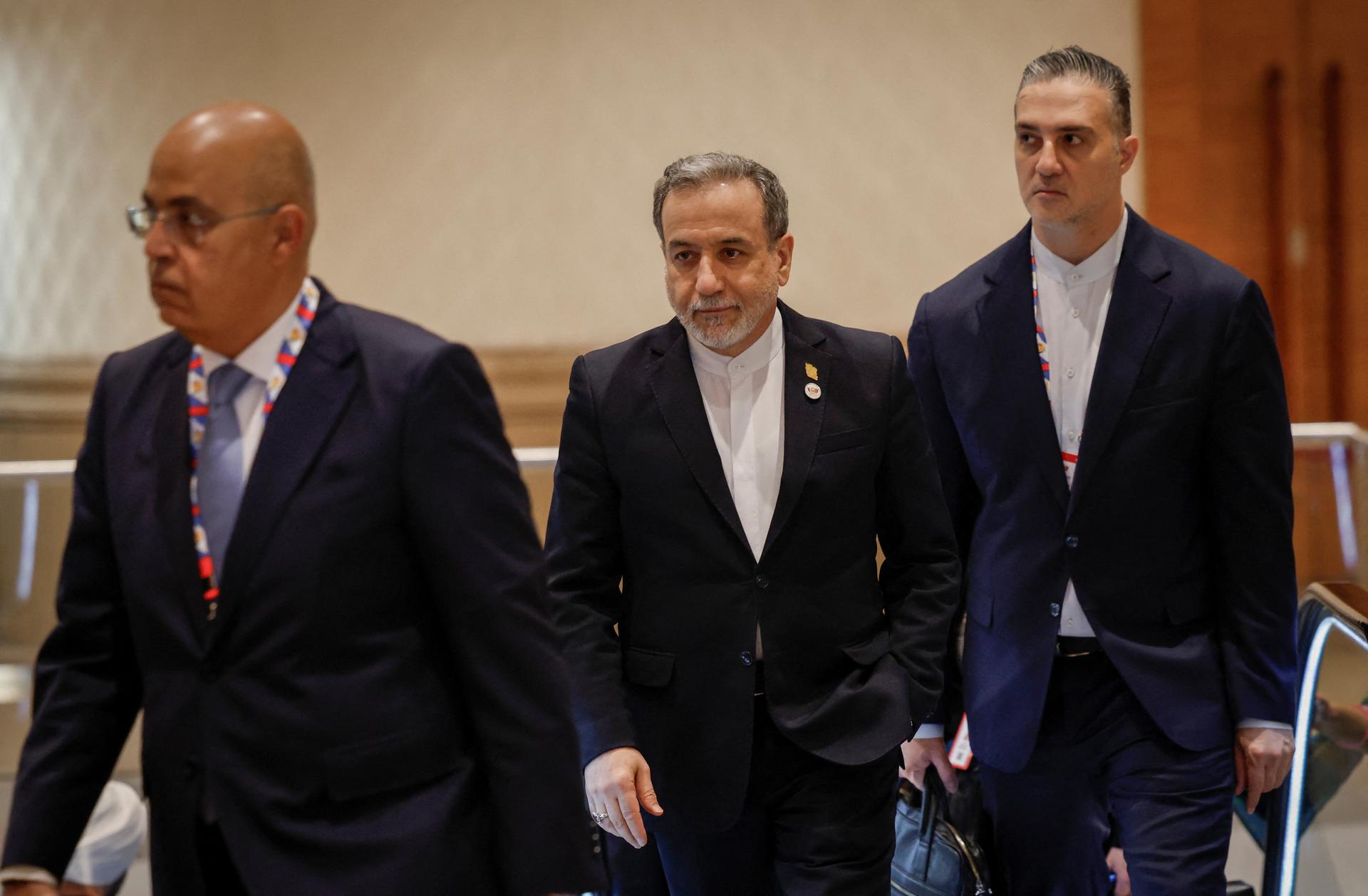
Iran's Foreign Minister Abbas Araqchi during the BRICS foreign ministers' meeting at Bharat Mandapam in New Delhi, India. REUTERS/Adnan Abidi |
Back to BRICS - originally Brazil, Russia, India, China, and South Africa - a group that has expanded over the years to include Egypt, Ethiopia, Indonesia, Iran and the United Arab Emirates.
Iran has urged India, BRICS chair for 2026, to use the platform to build a consensus condemning U.S. and Israeli actions in the Gulf conflict during the foreign ministers’ meeting in New Delhi.
But divisions are clear, particularly between Iran and the UAE, which are on opposing sides of a conflict launched by the U.S. and Israel on February 28.
That tension could spill into the room. Reports that the UAE and Saudi Arabia carried out strikes on Iran - in response to Iranian strikes - are unlikely to make for easy diplomacy. Another cause hanging over the talks: surging fuel costs driven by the war. |
|
|
|
Soaring energy prices are already forcing action across BRICS nations, including India, as governments try to shield both consumers and the broader economy. Indian Prime Minister Narendra Modi has "significantly" cut the size of his motorcade to save fuel, a government source said this week, days after he urged citizens to tighten their belts.
His message: cut back where possible - including on foreign travel, public transport, buying gold and using cooking oil - as soaring global energy prices pressure foreign exchange reserves. India has avoided raising petrol and diesel prices so far, but an increase is considered imminent due to the Middle East crisis.
Meanwhile, its airlines have been affected by record jet fuel prices and airspace restrictions. Air India will temporarily cut flights on several international routes between June and August, it said.
The war has shut airspace, forced longer reroutings and pushed up fuel costs, adding pressure on the global aviation industry. Click here for a list of how airlines around the world are responding to the Iran war fuel crisis. |
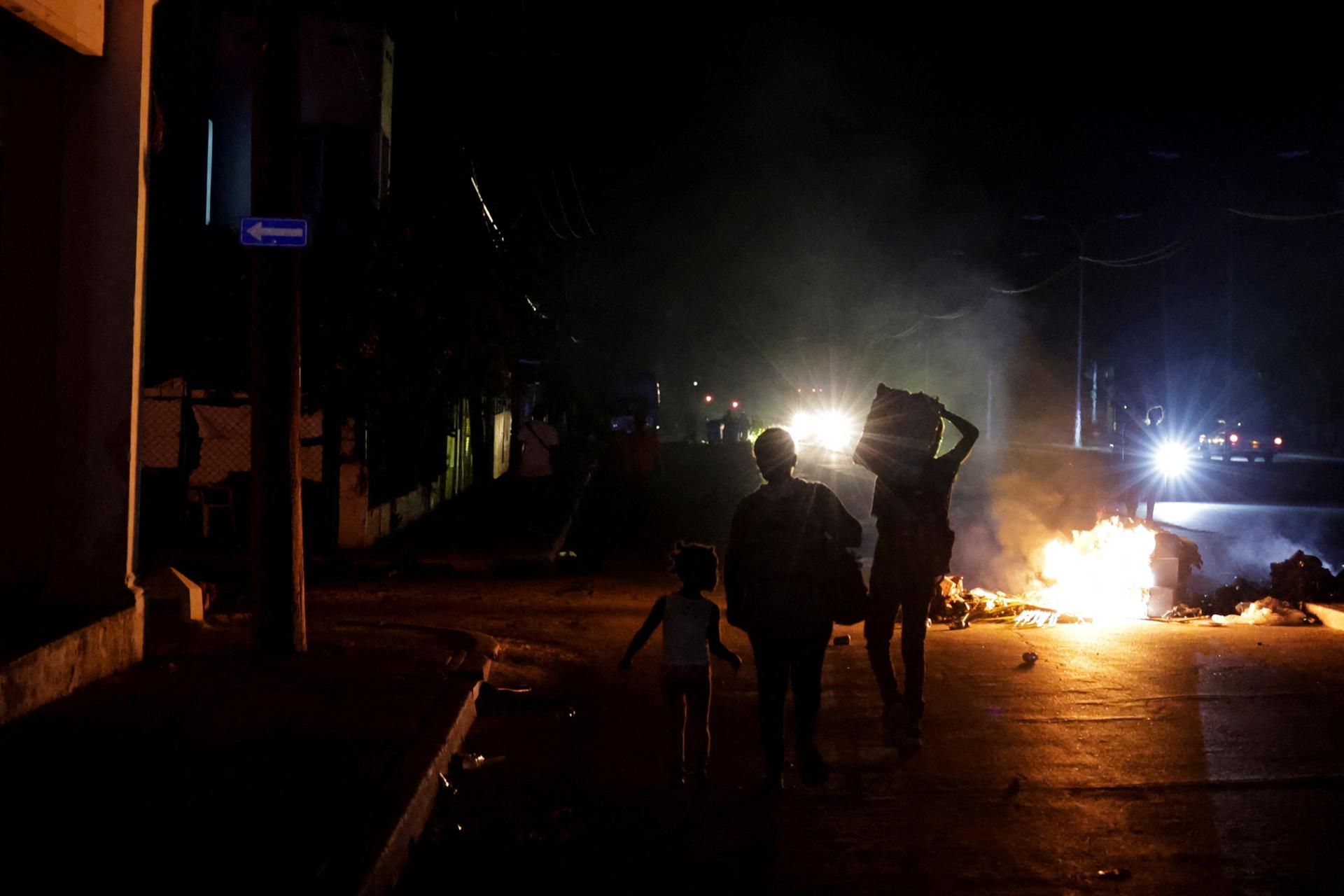
People walk past trash set on fire in the middle of a street during a protest against frequent power cuts in Havana, Cuba. REUTERS/Norlys Perez |
-
Cuba protests: Protests broke out across the Cuban capital of Havana this week, as the city confronted its worst rolling blackouts in decades amid a U.S. blockade that has starved the island of fuel. Reuters reporters saw multiple groups of peaceful protesters in the largest single night of demonstrations in Havana since the energy crisis began.
-
France far-right: A public quarrel between soccer star Kylian Mbappe and National Rally (RN) chairman Jordan Bardella has sparked a wider debate about French identity, as the far-right party seeks to make gains in next year's presidential election. Rising living costs and anti-immigration sentiment have boosted support.
-
France’s Africa tour flop: French President Emmanuel Macron’s pledges to support Africa's debt‑strapped economies and push to reform the international financial system by offering a first loss guarantee mechanism fell short of what is needed, such as debt relief and payment pauses, analysts said. Click here for the full story with details about first‑loss guarantees.
-
Brazil Gaza activist: Brazilian activist Thiago Avila returned to Sao Paulo following his detention and deportation from Israel after taking part in the second Global Sumud Flotilla to deliver aid to Gaza. Israeli forces intercepted the flotilla and took more than 100 other pro-Palestinian activists to Crete.
-
NAACP voting rights suit: The NAACP, the United States' largest civil rights group, said it had filed a federal lawsuit in the U.S. District Court for the Middle District of Tennessee over a new congressional map approved last week by Tennessee Republicans. The lawsuit claims that Tennessee lawmakers intentionally redrew a majority-Black district across multiple districts, with the intent of eliminating Black voting power, discriminating on the basis of race.
|
|
|
|
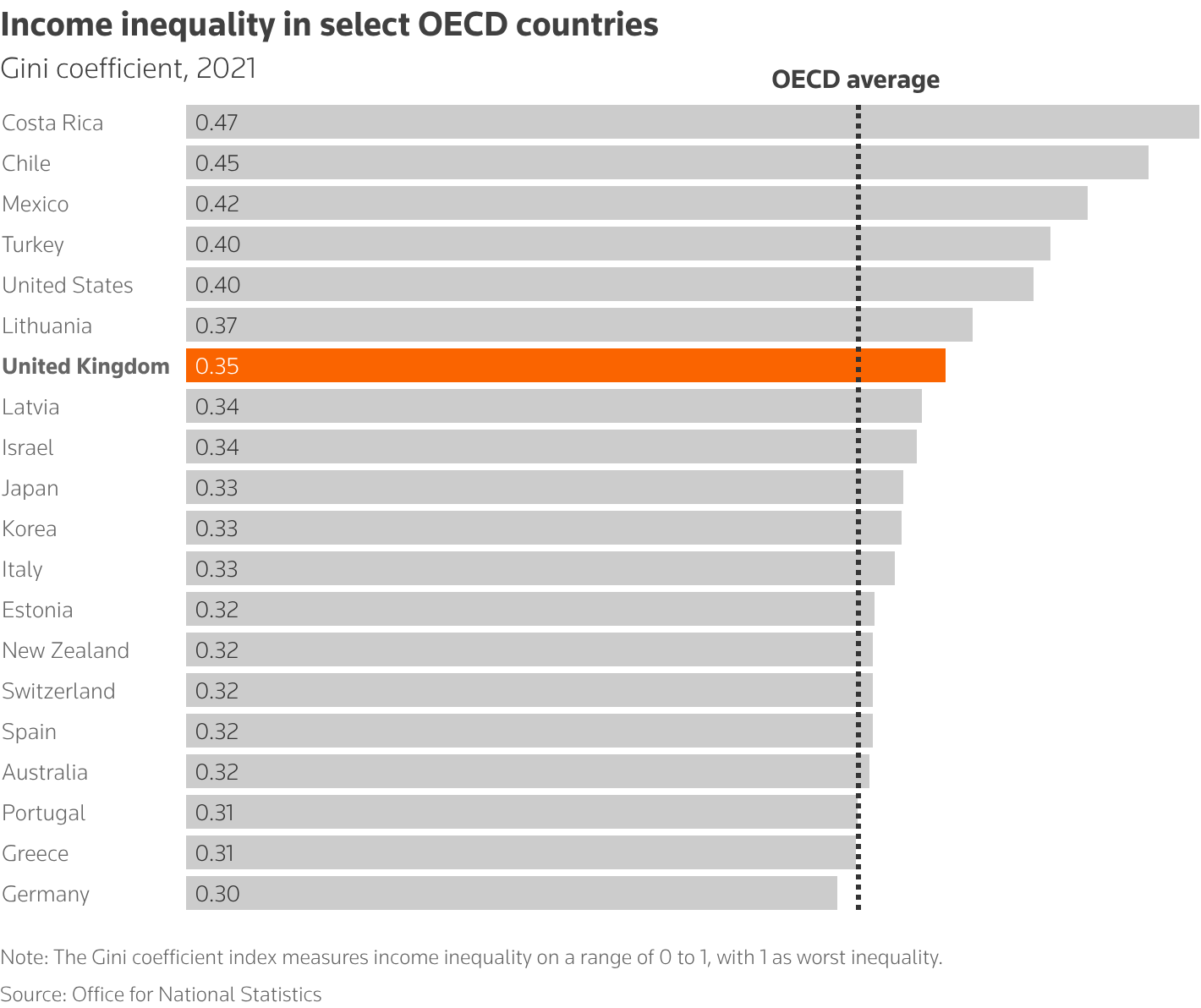
Britain’s squeeze: Although incumbents across Europe are facing similar difficulties to Britain's Prime Minister Keir Starmer, UK politics have become ever more febrile in the decade since it voted to leave the European Union. The sense of decline in living standards and future prospects is felt by many households across the industrialised world. In Britain, it is sharpened by big earnings disparities between the wealthiest and the rest of society. Click here for the full deep-dive.
|
|
|
|
Sustainable Switch was edited by Mark Potter. |
|
| |
|