|
This edition is sponsored by Cru |
|
Young people today have different questions about God’s goodness as they grapple with theodicy and sovereignty. Rather than asking why good people suffer, young people are asking why bad people don’t. |
|
"Where is God’s judgment against oppressors? If God is real, why hasn’t he struck down these people for their sin?" Jared Dodson, a professor teaching the Bible to Gen Z students, writes in a piece for Christianity Today this week. He continues: |
|
|
One of the clearest examples of this shift came when I covered the life of David in my Old Testament survey course. My students struggled not with the account of David’s sins against Bathsheba and her husband but with the aftermath. They were deeply concerned that David was let off too easily. Not only that, they wondered, but where is Bathsheba’s vindication in the story? And how could biblical authors subsequently point to David as a positive example of faithfulness? The difficulty for them was not David’s sin, which they found unsurprising. The difficulty was God’s forgiveness and mercy. |
|
|
|
"From my observation in the classroom, Gen Z seems to be expectant of evil and brokenness," he says. Dodson points to the Psalms as one way to walk with young people as they yearn for God to wipe out evil. |
|
He warns this desire can be warped, though, even with an openness to violence. "What I see in my classroom is that Gen Z’s longing for justice needs to be discipled in the image of Jesus the Messiah, who gave his life for ours while we were his powerless and ungodly enemies (Rom. 5:6–10)," he continues. "This longing needs to come not from a worldly celebration of merciless punishment for wrongdoers but from the love that shakes empires to the ground." |
|
Historian H. W. Brands joined The Russell Moore Show this week to discuss his new book about George Washington. They explore what it means for Washington to be described as the father of a nation. |
|
"Why did we get this metaphor of father, and why does it stick?" Russell asked. |
|
"In his own time, he was known as the father of his country," Brands answered. "His moral influence on the people around him was that he was a generation older than nearly all the soldiers who fought under him. … Washington had no children of his own. So it was natural that he would look at these young men as sons that he might have had." | Listen here. |
|
This summer, more than 5 billion people will tune in to the World Cup. Moments like this don’t just entertain, they open doors—for connection, for community, for conversations. |
|
Step into this moment with faith and confidence by hosting a fun, welcoming watch party for your neighbors. These simple, flexible resources will help you engage the world’s most-watched sporting event with hospitality and faith. |
|
Bonnie Kristian, deputy editor: CT’s Big Tent newsletter is now on Substack. |
|
Alex Wooten, senior copy editor: This gnocchi and pesto recipe was really simple, and having the video to follow along with was great. Two tips: Mash or puree your potatoes more than you think you need to. You don’t want the final pasta to be chunky. And because of rising costs, I subbed walnuts for pine nuts and grated Parmesan for the cheese. It’s a different flavor but still tasty! |
|
Harvest Prude, national political correspondent: After a particularly stressful week, I informed my boyfriend that seeing Project Hail Mary for a third time would cure me. I had a moment of self-doubt—would it fall flat on a repeat viewing? Will the emotional moments land with the same weight? Will I still be moved during the karaoke scene? Happily, the answers were no, yes, and very much yes. The movie is still a sheer delight in its blend of humor, depth, and hopefulness. There’s simply something about watching a cowardly nerd overcome the odds to save the world. |
|
|
|
I attended a megachurch in Southern California for about five years. It touted itself as being gospel centered, intergenerational, and multiethnic. The pastor seemed larger than life and had a…
|
|
|
|
|
One evening, when I was 13, I came in from outside to find my parents watching TV. The screen was dotted with rockets scorching their way across a distant night…
|
|
|
|
Right now, Erica Campbell is trying to figure out what to do about Christmas. Last year, the small business owner’s online store offered it all: emerald-green and butter-yellow tree ornaments…
|
|
|
|
|
Evangelical ecclesiology tends to nest at two extremes. At one end is faith in the Church—the people of God dispersed throughout all places and times. As the Nicene Creed says,…
|
|
|
|
|
|
|
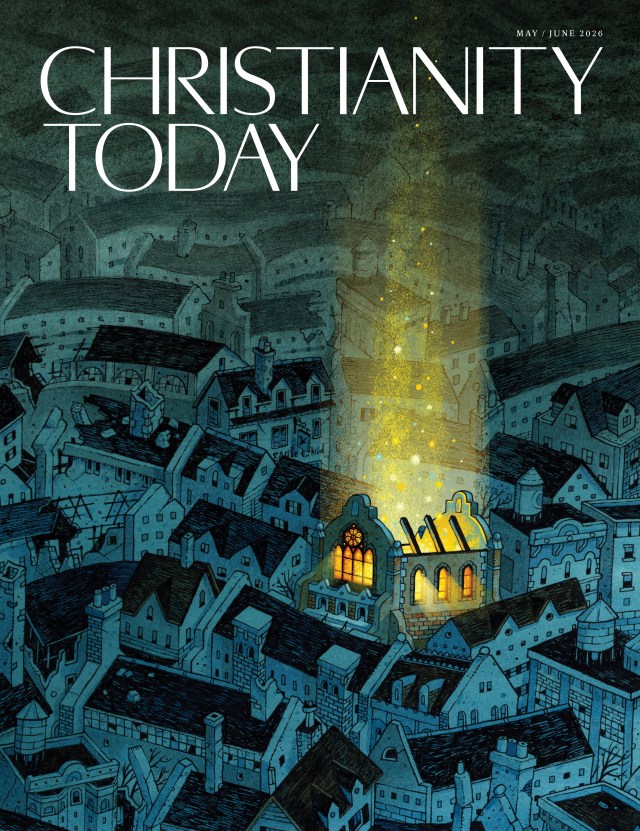
Throughout Scripture, God calls his people to be faithful and steadfast as we abide in him. Isaiah reminds us our faithfulness is fleeting "like the flowers of the field," yet our hope is secure when we place it in God, so our strength is renewed (Isa. 40:6, 31). In this issue, we consider stories of resilience. Historian Thomas S. Kidd shares missionary Adoniram Judson’s hardship and fortitude in Burma (now Myanmar). Emily Belz reports on Minnesota churches today that are supporting persecuted Karen Christians, also from Myanmar. Haleluya Hadero reports on groups who are determined to help Gary, Indiana, achieve a more resilient future. We also consider Tish Harrison Warren’s new book and feature an interview with her. Rooted in the person of Jesus Christ, Christian resilience is about more than having grit or bouncing back. |
| | |