Foreign Affairs Editor’s Spotlight
Foreign Affairs Editor's Spotlight

May 16, 2026  |  View in Browser


Sponsored by Oxford University Press


Good morning,


On the plane ride back from the Beijing summit, U.S. President Donald Trump said that he and Chinese leader Xi Jinping had talked about how to put guardrails on artificial intelligence—but didn’t offer any specifics. Technologists and policymakers have been warning for years that uncontrolled AI poses risks to human society, from the merely disruptive to the apocalyptic, and Trump’s comment reminded me of this 2023 essay by Henry Kissinger and Graham Allison, who mined the history of nuclear arms control for insight into how two competing superpowers can work together to regulate a technology that is “in some ways even more terrifying” than the atomic bomb. During the Cold War, they wrote, the United States and the Soviet Union “discovered islands of shared interests” even as they both raced to develop nuclear technologies—an example that “should serve to inspire” U.S. and Chinese leaders today.


Until next week,

Dan Kurtz-Phelan

Editor, Foreign Affairs

Dan Kurtz-Phelan

Editor, Foreign Affairs


The Path to AI Arms Control

America and China Must Work Together to Avert Catastrophe

By Henry A. Kissinger and Graham Allison

The Path to AI Arms Control

America and China Must Work Together to Avert Catastrophe

By Henry A. Kissinger and Graham Allison


P.S. I spoke yesterday with Orville Schell, who traveled with the U.S. delegation to Beijing, to hear his firsthand impressions of the summit. Listen to our conversation here.

P.S. I spoke yesterday with Orville Schell, who traveled with the U.S. delegation to Beijing, to hear his firsthand impressions of the summit. Listen to our conversation here.

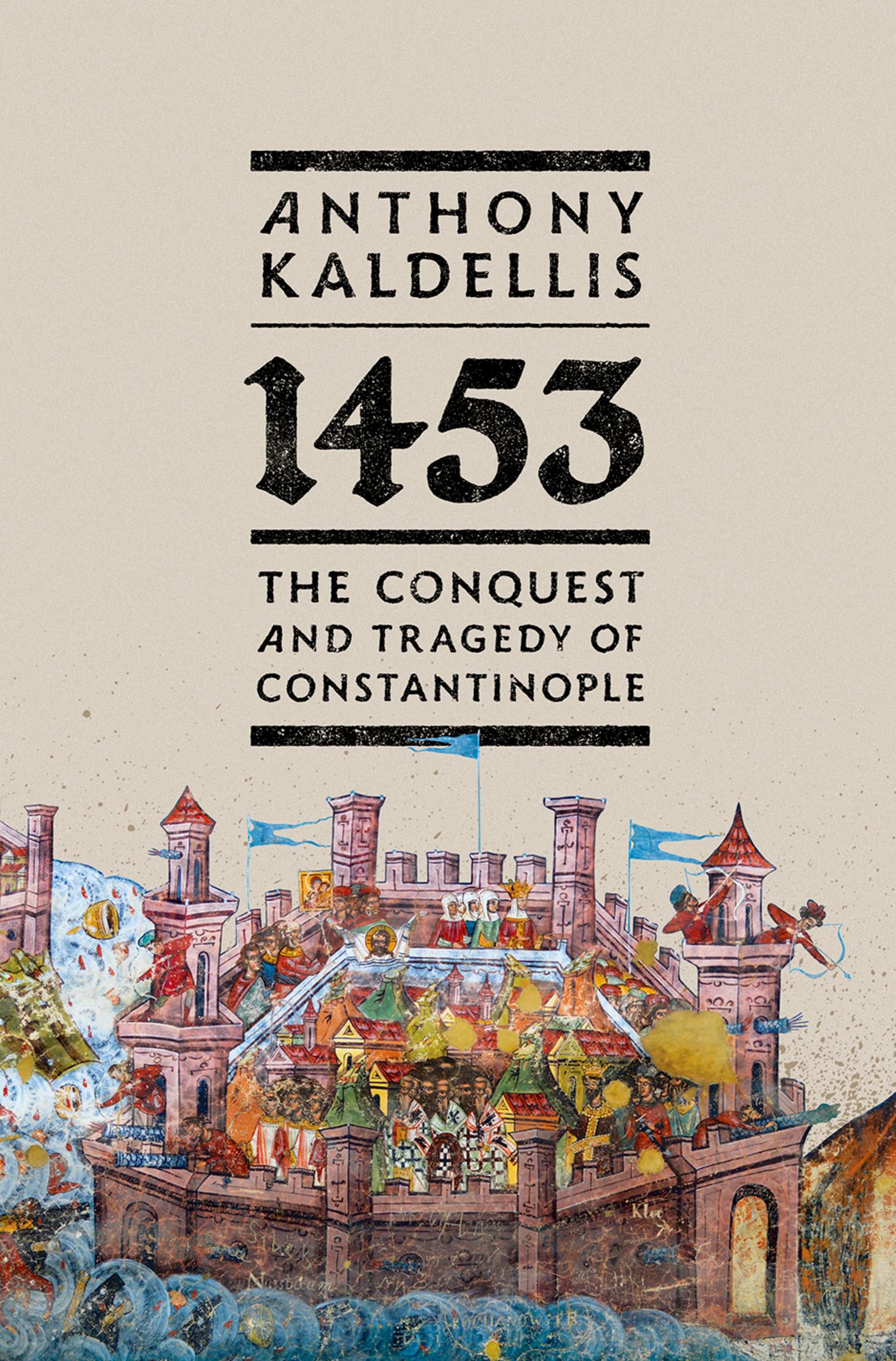
1453: The Conquest and Tragedy of Constantinople by Anthony Kaldellis

In this much-anticipated sequel to The New Roman Empire, Anthony Kaldellis offers a riveting new narrative of the siege and fall of Constantinople in 1453, a watershed year that closed the book on the Roman Empire and confirmed for Europeans fears of an expanding Ottoman Empire. A detailed day-by-day reconstruction of events from gripping eye-witness testimonies in Latin, Italian, Greek, Russian, and Turkish.

Learn More  →
Cover of “The Conquest and Tragedy of Constantinople”

1453: The Conquest and Tragedy of Constantinople by Anthony Kaldellis

Cover of “The Conquest and Tragedy of Constantinople”

 In this much-anticipated sequel to The New Roman Empire, Anthony Kaldellis offers a riveting new narrative of the siege and fall of Constantinople in 1453, a watershed year that closed the book on the Roman Empire and confirmed for Europeans fears of an expanding Ottoman Empire. A detailed day-by-day reconstruction of events from gripping eye-witness testimonies in Latin, Italian, Greek, Russian, and Turkish.

Learn More  →
TwitterInstagram LinkedInYouTube

© 2026 Council on Foreign Relations | 58 East 68th Street, New York NY | 10065

To ensure we can contact you,
please add us to your email address book or safe list.
This email was sent to npnj5xo85s@niepodam.pl.
.
Receiving too many emails? Unsubscribe and manage your email preferences here.