recommendations
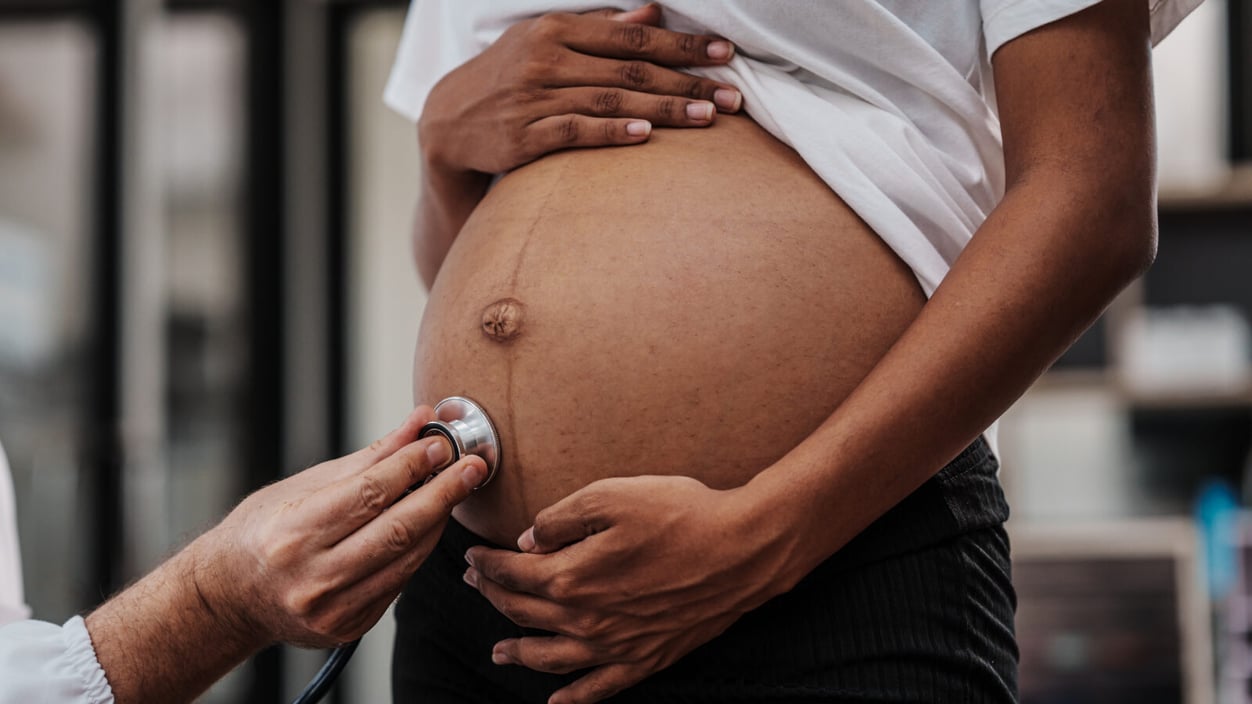
ACOG makes its own vaccine recs for pregnancy
Adobe
The American College of Obstetricians and Gynecologists released its own recommended vaccine schedule for pregnant people yesterday, diverging from CDC advice under the Trump administration.
The professional group recommends four vaccines be routinely administered during pregnancy, with several others recommended under certain circumstances. (The CDC’s current recommended schedule includes only two shots: those against Tdap and RSV.) Read more from Helen Branswell on which shots ACOG recommends for pregnant people and for a refresher on the federal fracas that led the group to issue separate recommendations.
science
New study links sugary drinks and liver cancer
In the battle of real vs. artificial sweeteners in sodas and other beverages, sugar may be the bigger risk. A new meta-analysis — a study that analyzes the findings of other studies — published yesterday in JAMA Network Open evaluated whether sugar and artificially sweetened beverage intake were linked to new cases of liver cancer.
Researchers looked at 11 studies (including 1.5 million participants) and concluded that one artificially sweetened beverage per day was not associated with increased risk of liver cancer. However, a sugar-sweetened drink each day was associated with increased rates of two primary liver cancer subtypes, intrahepatic cholangiocarcinoma and hepatocellular carcinoma.
Ani Kardashian, a hepatologist with Keck Medicine of USC, notes that this is consistent with her clinical guidance. She told STAT, “this just confirms my current practice, which is to advise patients to cut back on their sugar-sweetened beverage consumption.”
Notably, there were mixed outcomes across individual studies, which authors attributed to confounders like diabetes and obesity rates. Most studies in the analysis collected participants’ beverage-consumption patterns only once, thus missing long-term drinking patterns. While infections like hepatitis are contributors to liver cancer, sweetened beverage consumption may be a modifiable risk factor for liver health. — Lauren Chan
one big number
$12,850
That’s how much a group of researchers paid Nature Medicine this spring to publish a study with the journal. The same time last year, publication was free. The new charge covered the publisher’s open-access fees, a route that many researchers are now required to take to comply with an NIH policy that aims to provide immediate, free access to papers derived from federally funded research. “The journals I used to recommend to my trainees are now unaffordable,” professor and epidemiologist Elizabeth Selvin writes in a new First Opinion essay. Read more on the challenges.