Thanks for reading The Briefing, our nightly column where we break down the day’s news. If you like what you see, I encourage you to subscribe to our reporting here.
Greetings!
What a weekend! Set time aside this coming Thursday for the New York City ticker tape parade celebrating the victorious Knicks. The joy flowing from that game Saturday night tops even the plaudits flowing from SpaceX’s successful IPO (read down for more on that subject.)
Still, SpaceX was quickly supplanted in the business limelight by the latest Anthropic-government drama, this time over the AI firm’s recently released Fable 5 model. Is it just me, or is there something contradictory about a company that was ostensibly formed to “build safer systems” having a run-in with the U.S. government over the safety of its latest models?
Anthropic’s statement here explains its view of the situation: it argues that “perfect jailbreak resistance is not currently possible for any model provider” and it believes in its strategy of “defense in depth” . And it disagrees that issues raised with the latest model required it to be pulled from release. Those close to the administration disagree.
What makes this a multi-layered situation is that some companies, including Microsoft, were already holding off on using the model because, as we wrote here, Anthropic had introduced a new policy with Fable 5 to hold onto customer data for 30 days. Anthropic says this data retention policy was part of its cyber defense strategy although it acknowledged on Friday that it “carries real costs for us with customers.”
It’s not just the government that has tense relations with Anthropic. As we reported here, Anthropic has sharp elbows when it comes to dealing with other businesses. The bottom line is that despite Anthropic’s warm and fuzzy origin story, it has emerged as the most cut-throat competitor in tech, operating much more efficiently than its better known but more chaotically managed rival OpenAI. Will this drama give OpenAI an opening to catch up? Stay tuned for further developments.
Losing Money on IPOs
The other big story we’ll be tracking this week is how trading in SpaceX starts to settle down. Assuming you haven’t been hiding away in a cave, you’d know that SpaceX stock closed on Friday at $160.95, 19% above its $135 a share IPO price.
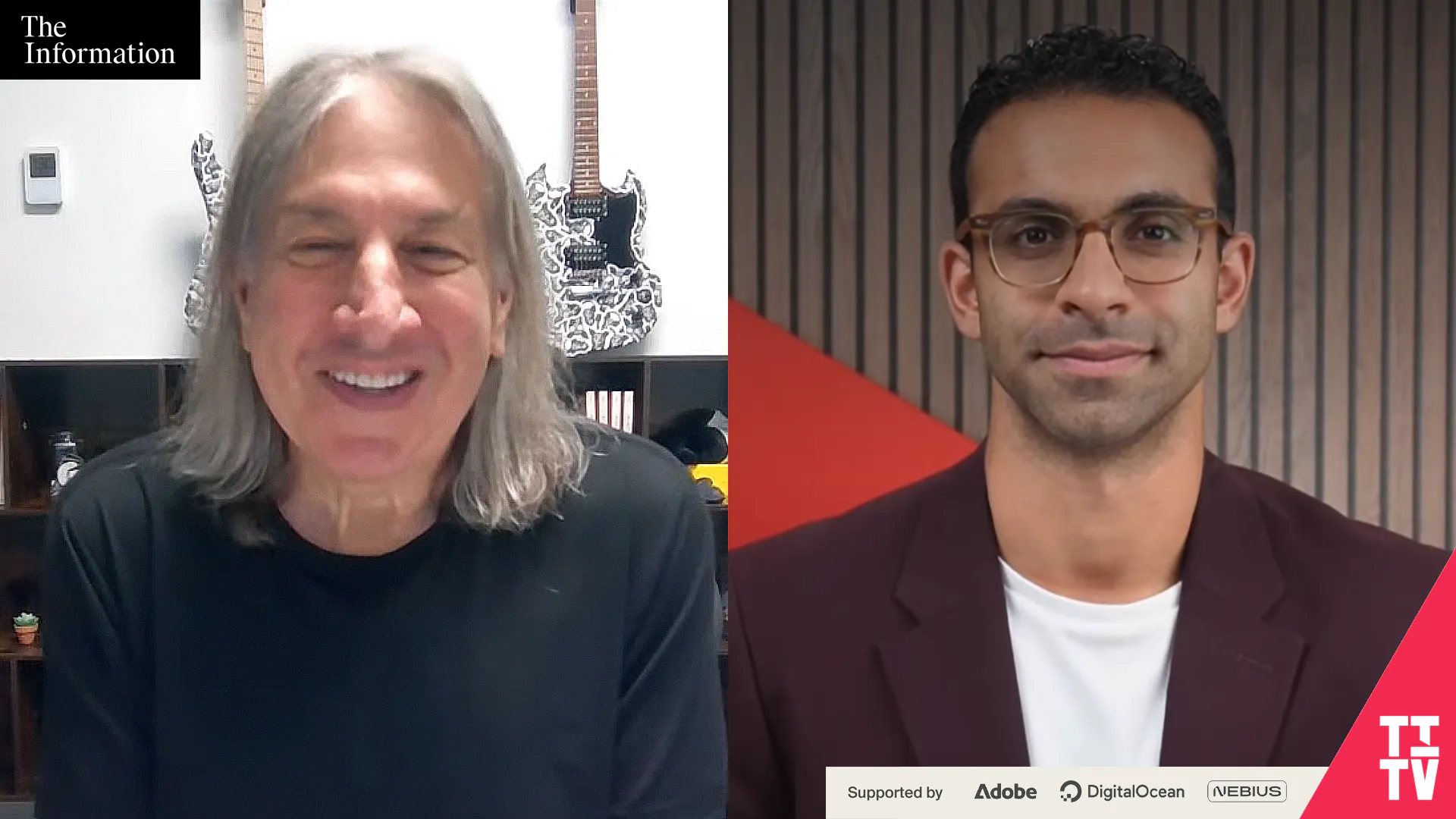
Anyone buying on Friday will need nerves of steel, given how easy it is to lose money on IPOs if you buy on the first day of trading. University of Florida Professor Jay Ritter, who has analyzed data on IPO performance going back decades, said on TITV Thursday that 75% of IPO stocks rise on their first day. But his data shows that over the longer term, those gains are far less common. While Musk-related stocks tend to trade disconnected from reality, anyone who buys now should be prepared to hold onto their stock for a few decades for those Mars commercial flights to get started. Selling in the meantime could be costly.
Ritter’s data for IPOs that occurred between 1975 and 2021 show that the average return for someone who bought at the close of the first day and held for three years was 21%, but that’s skewed by some very strong performers. The median was a loss of 25.7%. The returns are meaningfully higher for those buying at the IPO price although the median is still a loss.
Returns are much lower if you hold for a year or less. The worst off is someone who buys at the close on the first day and holds for just six months: Then the average return is negative 0.6%.
Meta’s Reversal
If you didn’t catch Jyoti’s scoop on Friday about Meta Platforms’ sudden clampdown on AI usage, it’s a must-read. In one of the more predictable developments in recent tech history, skyrocketing AI costs have prompted the Facebook owner to take steps to track employee use of AI so the company can better manage the costs.
Meta, don’t forget, became synonymous with the concept of tokenmaxxing, where employees would vie to see who could use the most tokens as a symbol of their AI prowess. Jyoti wrote in early April that employees even set up a leaderboard to track who among them burned the most tokens. At the time, Meta higher-ups seemed fine with it: Forbes quoted Meta Chief Technology Officer Andrew Bosworth saying, “Keep doing it. No limit.”
But AI compute is expensive, and even for a deep-pocketed company like Meta, the costs add up. The chickens have come home to roost.
In Other News
• Roku is in discussions to be acquired by another company, Bloomberg reported, sending shares of the streaming device maker up 20%. At the higher price, Reddit has a market capitalization of $21 billion.
• A coalition of state attorneys general has sent OpenAI a subpoena seeking documents about how the ChatGPT maker’s chatbot affects users, an OpenAI spokesperson confirmed.
• Crypto platforms Binance, Bybit and Bitget said Friday they had to cancel plans to offer tokens backed by SpaceX stock to overseas investors during the IPO after their partner in the venture, Kraken-owned xStocks, couldn’t secure enough SpaceX stock.
• Nvidia is pitching Chinese customers on its new Vera central processing units for AI data centers, telling them the chips could be available as soon as August and that orders can begin now, Reuters reported, citing three people familiar with the matter.
Friday on The Information’s TITV
Check out today's episode of TITV in which we talk about the retail trader's perspective on the SpaceX IPO.
Recommended Newsletter
Start your day with Applied AI, the newsletter from The Information that uncovers how leading businesses are leveraging AI to automate tasks across the board. Subscribe now for free to get it delivered straight to your inbox twice a week.