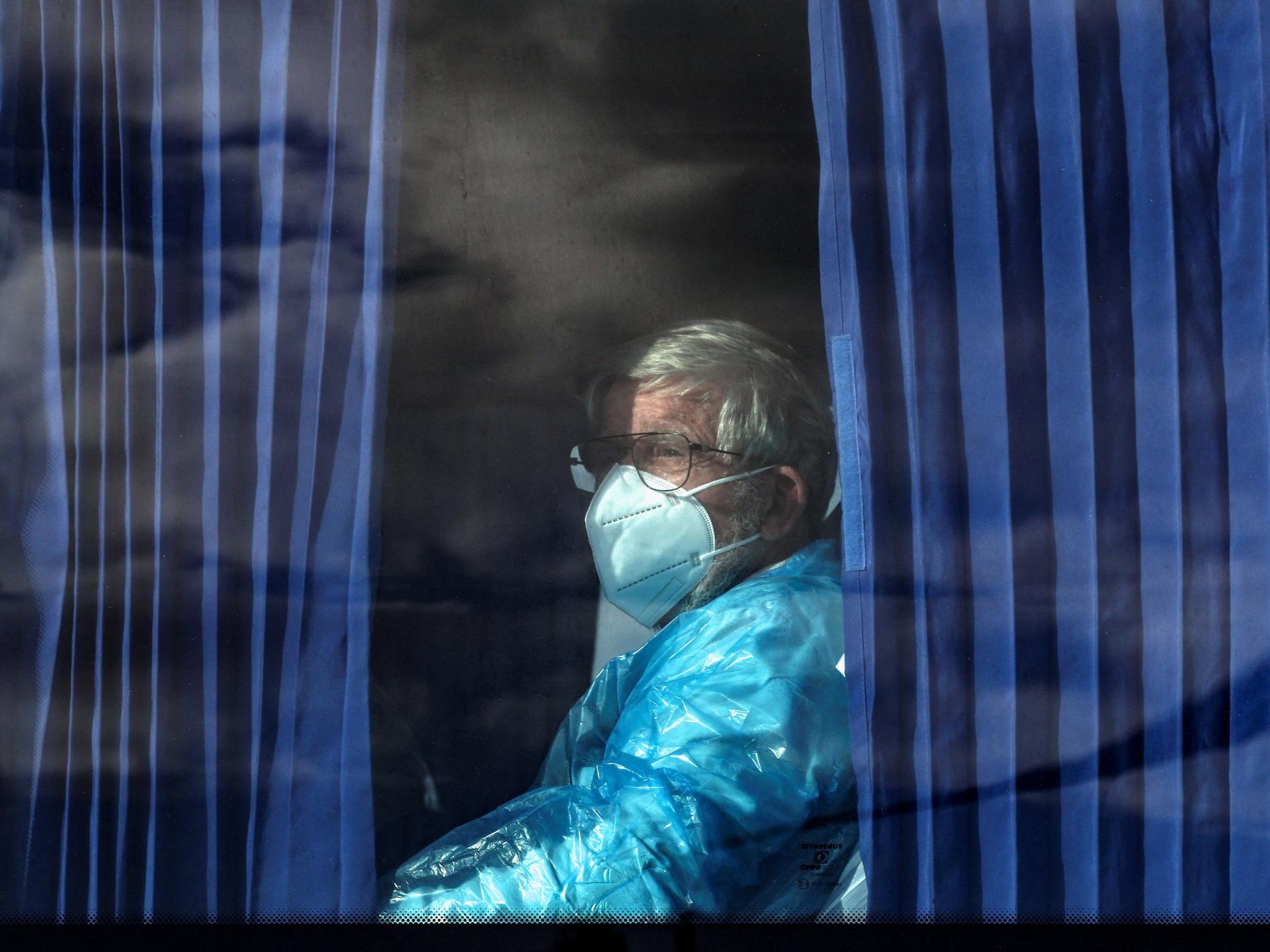
On July 2, the World Health Organization declared the cruise ship hantavirus outbreak over after the last contact of an exposed person tested negative for the virus. That declaration came three months after the affected vessel, the MV Hondius, set off from Argentina and marks the end of a scramble to track and contain the virus’s spread.
But the outbreak, which infected thirteen people and killed three, should have been an easy case, writes Y. Tony Yang, endowed professor of health policy at the George Washington University. To kick off this week’s newsletter, Yang describes how the outbreak’s bottleneck did not come from detection or biology but from private firms that hold outbreak data that could be used to create a public health list of who is sick and who has been exposed.
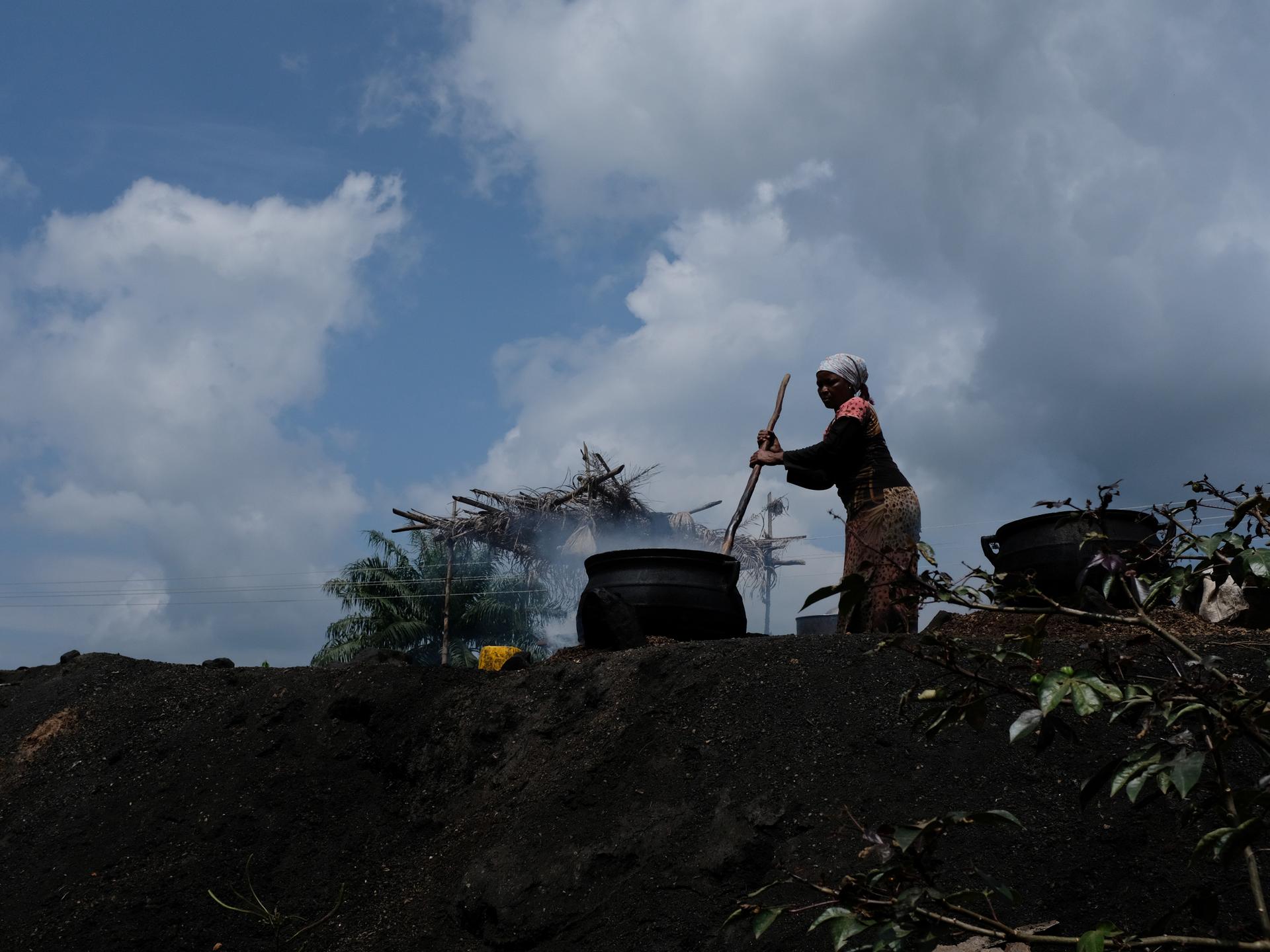
Next, as climate change makes extreme heat more common during summer months, rising temperatures will compound traffic and household air pollution exposure, creating chronic threats to brain health. For Ghana, the risks are particularly acute, suggests David Mawutor Donkor, a medical laboratory scientist and research assistant at the University of Cape Coast. He explores how the country’s rapid urbanization has created severe episodic pollution that can accelerate the onset of conditions such as Alzheimer’s and dementia.
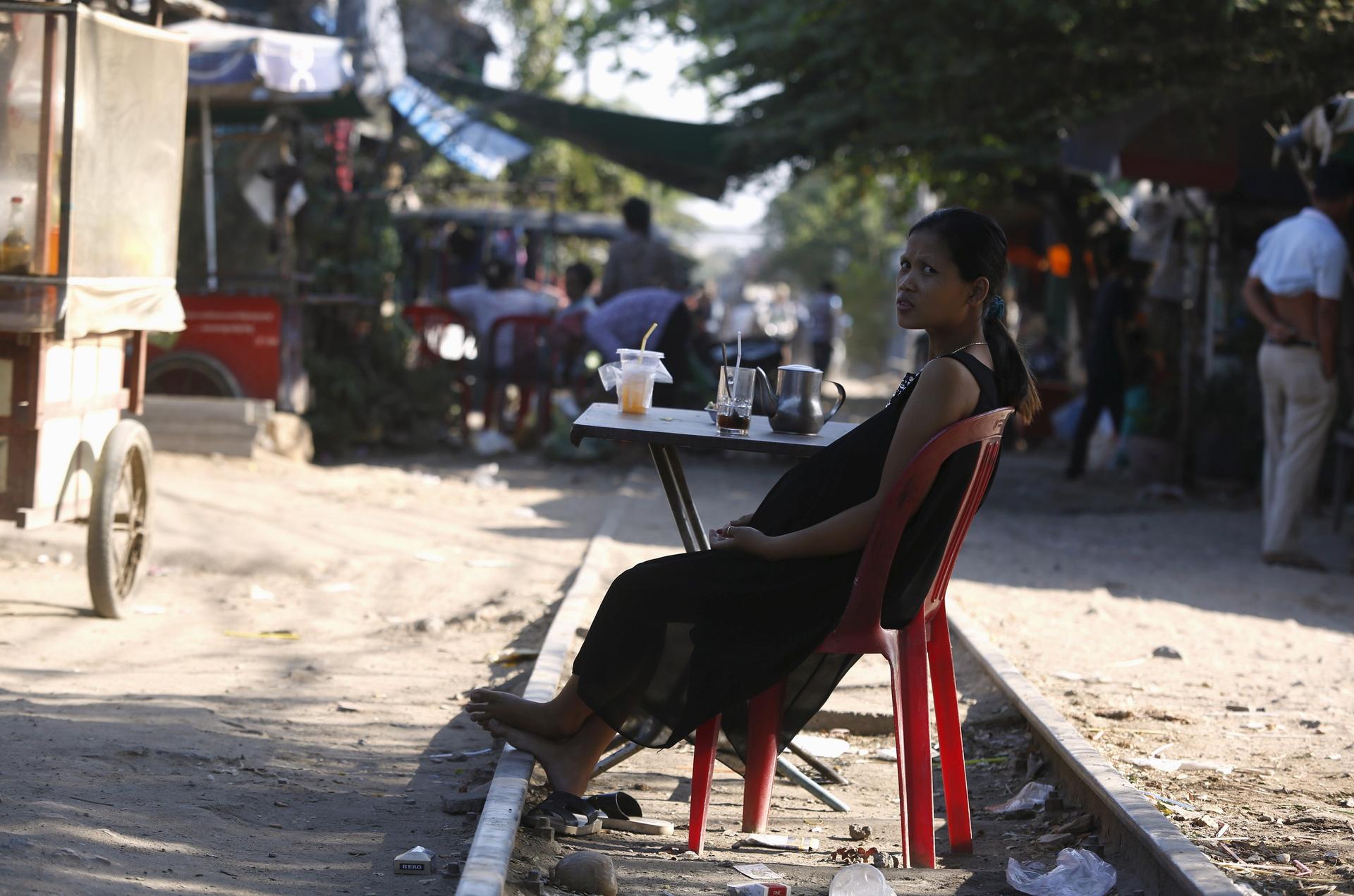
To wrap up, Suren Kanayan, an obstetrician-gynecologist and health administrator based in Phnom Penh, Cambodia, outlines opportunities for artificial intelligence (AI) to support maternal health-care workers in remote settings—if health systems and staff are supported to adopt new technologies.
Until next week!—Caroline Kantis, Associate Editor