͏ ͏ ͏ ͏ ͏ ͏ ͏ ͏ ͏ ͏ ͏ ͏ ͏ ͏ ͏ ͏ ͏ ͏ ͏ ͏ ͏ ͏ ͏ ͏ ͏ ͏ ͏ ͏ ͏ ͏ ͏ ͏ ͏ ͏ ͏ ͏ ͏
| |
|
|
| The connection between muscle and heart health is old news to anyone who reads this newsletter. The new news is that AI can now grade the muscle across your chest and back from a routine heart scan and predict heart attack risk from it. Muscle quality matters more than quantity, and the overall effect is pretty significant. Read on to learn more. |
|
|
|
|
|
|
Let’s look into it,
Tim Snaith
Newsletter Editor, Healthline
|
 |
|
Written by Tim Snaith
July 15, 2026 • 2 min read |
|
| |
|
|
|
|
| |
 |
|
|
| What your chest and back muscles reveal about your heart
|
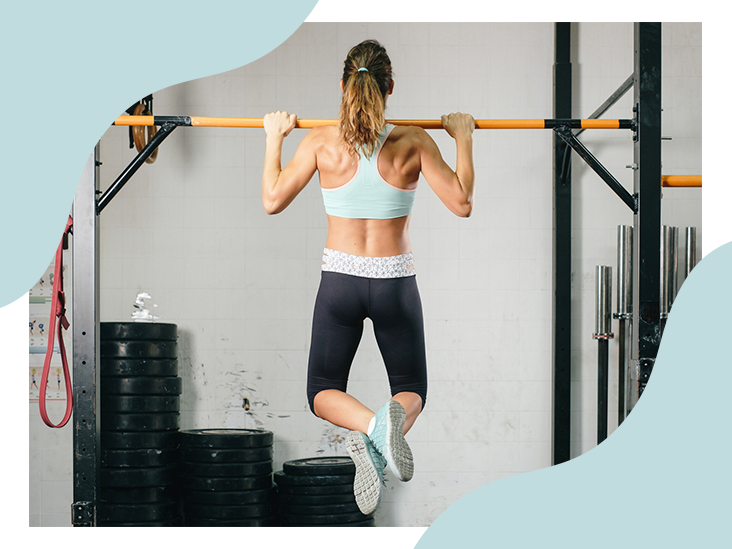
| A new study that used AI to measure chest and back muscles on routine heart scans found that stronger, leaner muscle is linked to a much lower risk of heart attack. |
| Researchers analyzed coronary CT scans from 1,722 people, average age 57, who had come into the ER with chest pain. The AI measured how bright the muscle appears on the scan, since brighter indicates leaner, higher-quality muscle. In contrast, darker, fattier muscle is linked to worse cardiovascular health. |
| For every 10-point rise in muscle quality, participants were 31% less likely to have a heart attack and 39% less likely to die within a decade, according to the study, recently published in Radiology. This link held up even after accounting for age, sex, and coronary calcium score. |
| But before you head down to the gym for arm day, this study only reports an association, not a surefire cause. Cheng-Han Chen, MD, an interventional cardiologist who was not involved, noted that the scans cannot say whether better muscle protects the heart or simply marks the people who already exercise. |
| Whatever the case, muscle quality can be improved through exercise, and you don’t need a gym membership. Bodyweight moves, yoga, Pilates, or a resistance band all count, along with the standard recommendation of 150 minutes of weekly physical activity plus 2 strength sessions. |
|
|
| | | |

