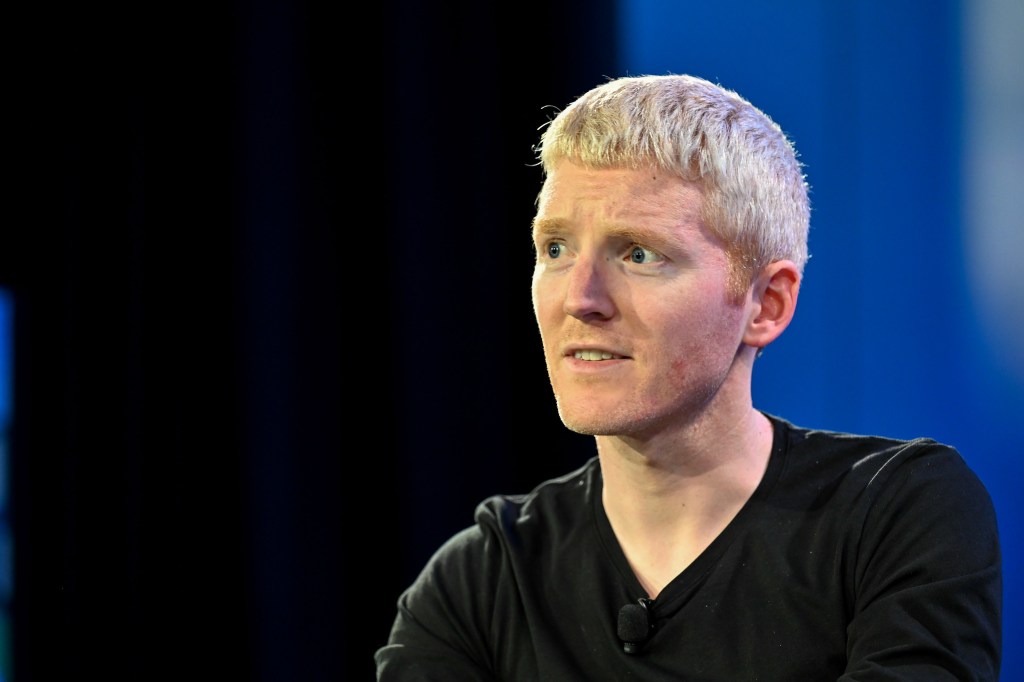
 Stripe co-founder and CEO Patrick Collison at Fortune Brainstorm Health 2022 in Los Angeles.Stuart Isett/Fortune
Here’s a headline that will make you go hmm: Stripe and the private equity firm Advent have reportedly made a joint offer to acquire PayPal.
The pair is offering a bank-financed $60.50 per share,
according to Reuters, valuing PayPal at more than $53 billion, or about a 28% premium to its price before the news broke.
(Stripe, founded by the Collison brothers in 2010 and still privately held after all these years, is valued at about $159 billion.)
What would a combined Stripe-PayPal look like? In a word: huge. It would be one of the world’s largest online payments companies, process about $3.7 trillion in transactions, and earn a combined $53 billion in annual revenue. With more transactions inside the house, so to speak, it would also likely see reduced fees paid out to Visa, Mastercard, et cetera.
According to the Reuters report, Stripe first approached PayPal in April without a response. I’m sure they’ve got the attention of CEO Enrique Lores and the board now, based on the 15% spike in PayPal’s share price Wednesday.
It’s been a tough slog for PayPal in recent years. During the lockdowns of the Covid-19 pandemic, the company—which still owns Venmo, by the way—rode a massive wave of e-commerce transactions to untold highs. But all that subsided by mid-2022.
Since then, PayPal has failed to keep up with stiff competition from an array of competitors large and small: Apple, Google, Shop, Affirm, Klarna, Block, and yes, Stripe. Longtime customer eBay’s 2018 transition to Adyen didn’t help.
Investors haven’t been keen: PayPal lost 40% of its market value in the trailing year. Lores, a 30-year HP veteran who took the top job in March, is in the early stages of a turnaround plan.
—AN