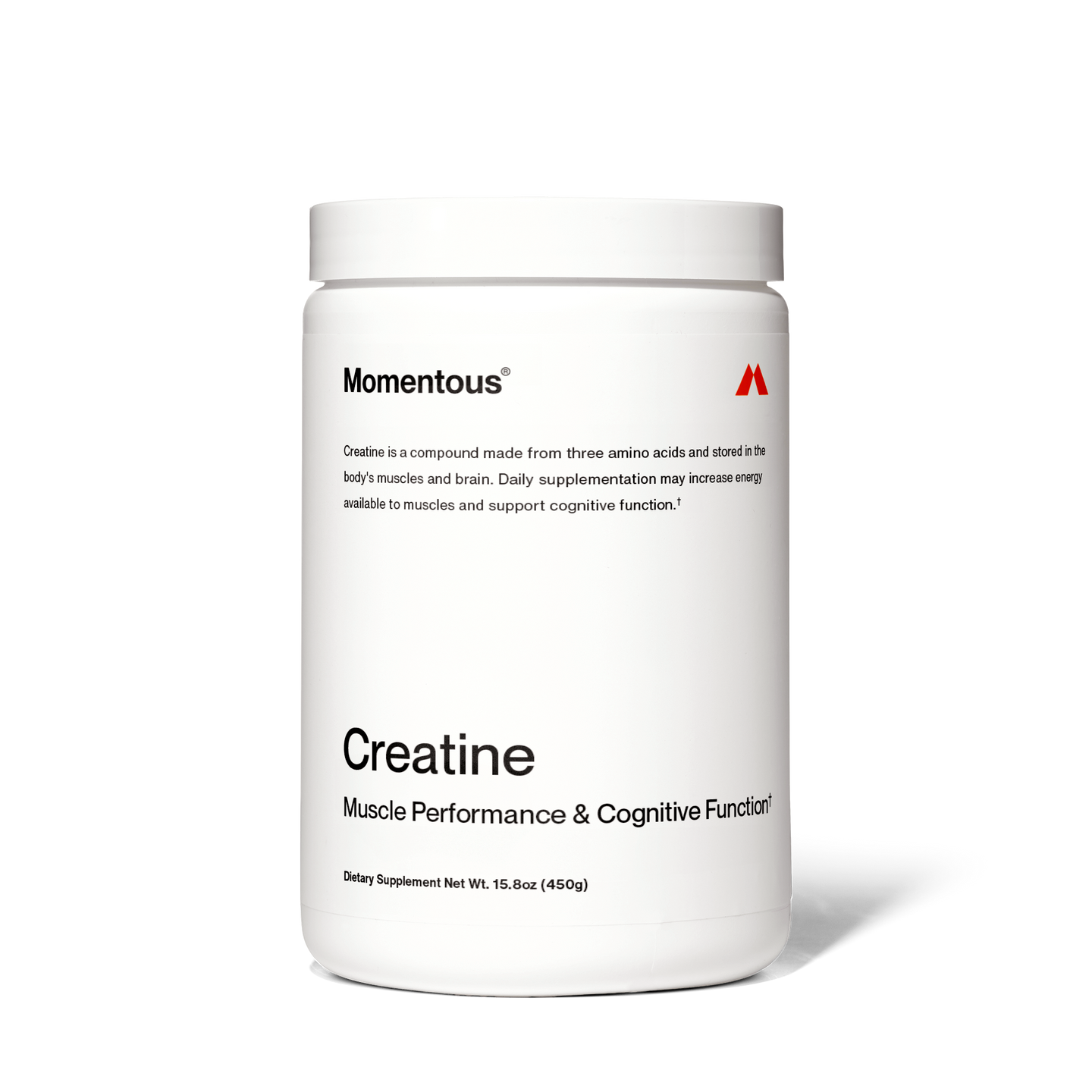
Creatine:One of the most well-researched and effective supplements for enhancing muscle strength, cognitive function, and overall energy production, with benefits extending beyond athletes to general health and aging.
It supports brain health, muscle recovery, and even metabolism, making it a simple, safe, and cost-effective addition to nearly anyone’s daily routine.
I take creatine daily. NEVER trust supplements from SCAMazon. Full of fakes with who knows what inside. Buy direct or don't bother.
How did the iPhone make its way into over a billion pockets around the world? Despite becoming one of the most influential products in history, its success was anything but inevitable. Tony Fadell, the co-creator of the iPod and one of the key figures behind the iPhone, breaks down the iterations, marketing, and storytelling principles that turned Apple's vision into reality. He also shares his industry expertise on how AI should and shouldn't be used in product design
Jameson Olsen joins Liberty (filling in for Jim) to talk about "protagonism," a life philosophy he's building from the mechanics of great stories, from Hamlet's overthinking to Frankenstein's tangled morality. They dig into why humans need stories, how to spot when you're living like an NPC, and what real first steps toward agency actually look like
Shows like Yellowstone are no doubt dramatized for entertainment purposes, but they highlight many of the triumphs and challenges that come with founding, building, and defending family land for generations. The Olivers are a real-world example, having owned the same land in Maine since 1782 across seven generations and counting. Jake Oliver, the next heir to the land, explains why carrying on a family legacy, or starting one of your own, is well worth the effort
Upgrade to Premium to Get 3 Premium Notes Every Week, the Full Newsletter, Playable Timestamps, AI Powered Answers, Unlock 500+ Premium Posts, No Ads and MORE
Build things that solve pain (current pains or pains that are on the near horizon)
Pain comes from 1. technology limitations or 2. unintended consequences
1. New technology can solve pains that were previously thought to be permanent
2. New products often solve one pain, but bring about other pains that now need solving
Everything needs three generations: Make the product -> Fix the product -> Fix the ???????
“It took three generations of the iPod before it became successful”
The first and second gen iPod were only popular amongst the Mac geeks (~1%), Steve Jobs originally treated it as “just a way to sell more ?????” instead of a standalone product
A phrase that stuck with Jameson since he was 19: “the things people do make sense to them”, meaning even baffling choices come from “an internal ????? that fits their life”
There is great pride and self-worth in building your own house but “to think it saved me money is kind of funny”
You have to invest in a ton of equipment to build your own house(s)
But, building things with your bare hands, especially on family land, is incredibly fulfilling
It can also teach your kids about time and how long it really takes to do hard work
When you build for legacy, you don’t just build for your lifetime, “I’m building things to last my kids’ kids’ kids’ lifetimes”, a mindset of “multi-???????? building”
You can hide fun “easter eggs” in your creations for future generations to find, from “random ??????? and engravings” to notes behind trim
You can’t self-appoint yourself as the patriarch or leader, you have to earn it every day, “you either have integrity or you don’t” is his definition of “real ?????????”
Owning livestock is a great way to teach your children hard work, discipline, and responsibility, and to show them “exactly where their ????? comes from”
Upgrade to Premium to Get 3 Premium Notes Every Week, the Full Newsletter, Playable Timestamps, AI Powered Answers, Unlock 500+ Premium Posts, No Ads and MORE
The best way to actually remember something is to fail at it first
Classic demo: people have seen the Apple logo a thousand times but can’t say if the bite is on the left or right, because seeing something often isn’t the same as noticing it
Draw the logo without looking, struggle with it, then look again, that errorful trial beats just staring at it repeatedly
If a task is easy, there’s no reason for your brain to change
Plasticity only kicks in when there’s a gap between what you can currently do and what you’re trying to do
Frustration and agitation while learning are likely tied to catecholamine release (epinephrine, norepinephrine), which physically changes the environment around synapses to enable learning
“All the things that we want to avoid are the things that actually allow us to learn”
Balance is hugely underrated as a health factor
One in four people over 65 will fall, and falls often lead to injury, immobility, and further cognitive decline since people stop exercising afterward
“You could be close to falling at any given point” even if you’ve never actually fallen before
It’s very trainable, standing on one leg or doing yoga/tai chi can show improvement within a month or two
Castel summarizes decades of research into a simple three-part framework
A is for attitude, a positive outlook and personal sense of agency over your own aging predicts a longer, sharper life
B is for balance, both the physical kind (falls prevention) and general life balance, not pushing to extremes
C is for connection, often the most overlooked piece, but directly echoes advice from legendary coach John Wooden about surrounding yourself with people and things you love
Day to day costs like groceries and office work are easier than decades ago while housing healthcare and school are the real squeezes
Gen Z carries more credit card and buy now pay later balances than millennials at the same age despite growing up swimming in money content
Bankruptcy is a behavior problem not a magic reset
Hidden costs of bankruptcy: a 7 to 10 year credit hit, having to pay first and last month’s rent instead of just a deposit, predatory car loans at 25% interest, and credit cards with 29% APY plus monthly fees
Bankruptcy doesn’t actually fix anything unless you fix your behavior, or people end up right back in debt within a few years
Emergencies are not the true cause of debt
Caleb’s biggest myth buster people blame emergencies but the real problem is never saving even a one month emergency fund beforehand
“It wasn’t the emergency that did that it was your behavior before that emergency”
Behavior beats income until you are below survival...
If behavior does not change more income can make things worse because higher earners get approved for bigger debt piles