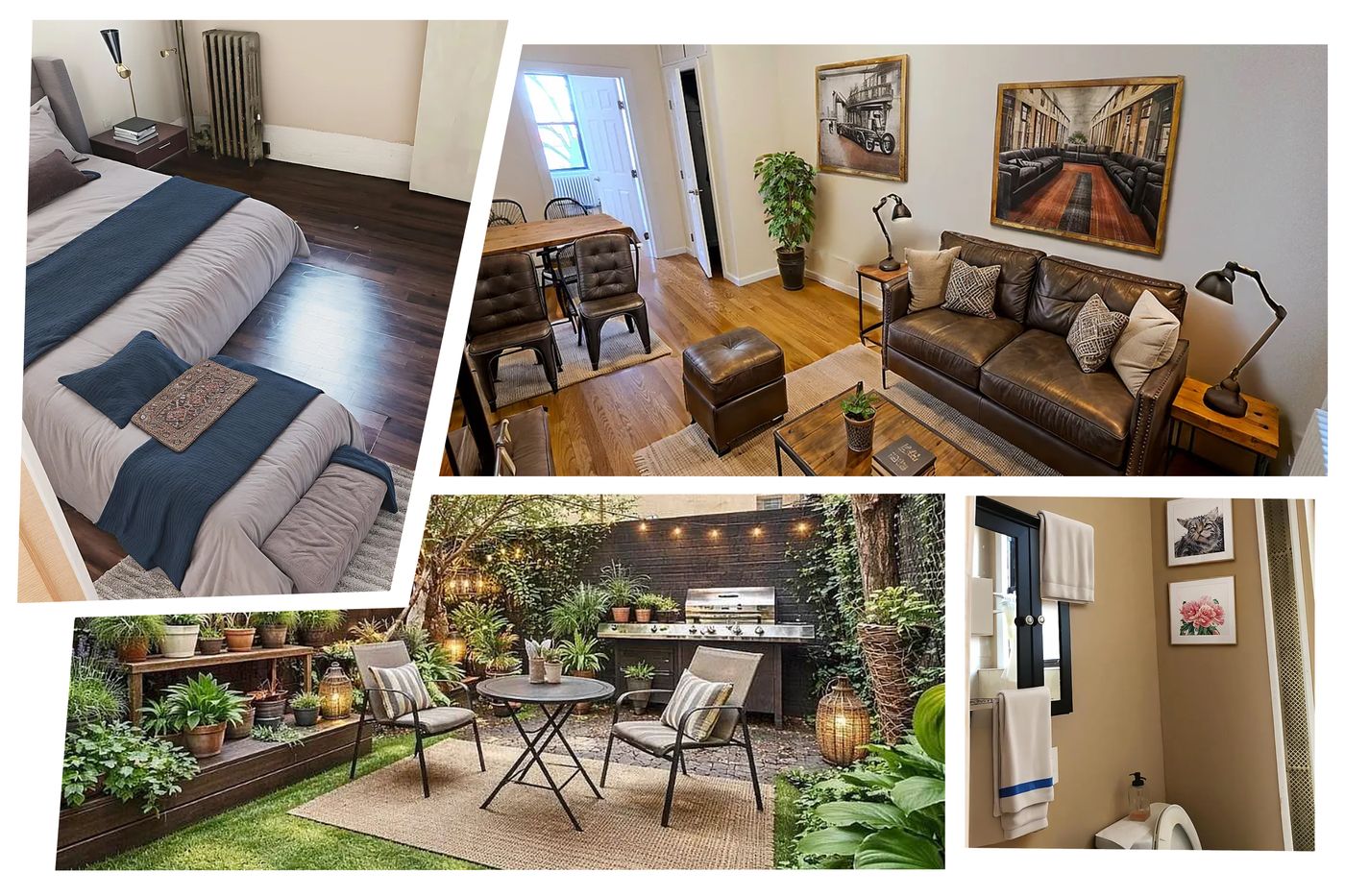
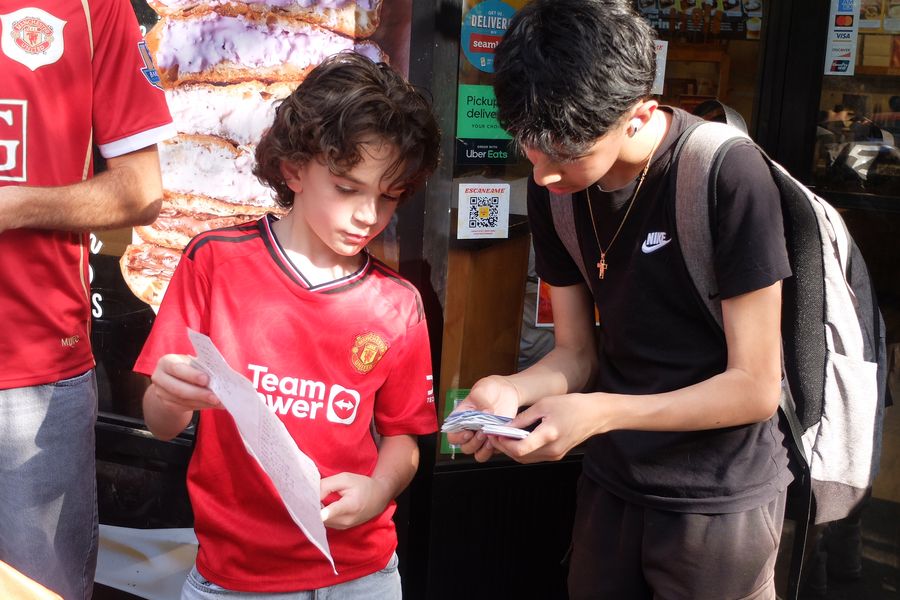
On a recent Saturday, Teo Bugbee was on line with 20 or so other people outside a Bed-Stuy brownstone, waiting to get a look at what seemed like a unicorn apartment. The place, a one-bedroom, two-bath duplex on Tompkins Avenue, was just over $2,300 a month and rent stabilized. The listing photos showed a recently renovated kitchen and a bedroom that was basically out of a West Elm catalogue. But once inside, Bugbee discovered the bedroom was actually a windowless basement. The walls were dirty, the lighting harsh. There was also a weird smell. The source, it turned out, was a trio of teacup piglets, which were being cradled by a woman who was sitting on the floor of the apartment and rocking them in her arms. Bugbee overheard the broker ask another person touring the space: “So what do you think?” Then they heard the reply: “Well, it’s pretty fucking miserable.”
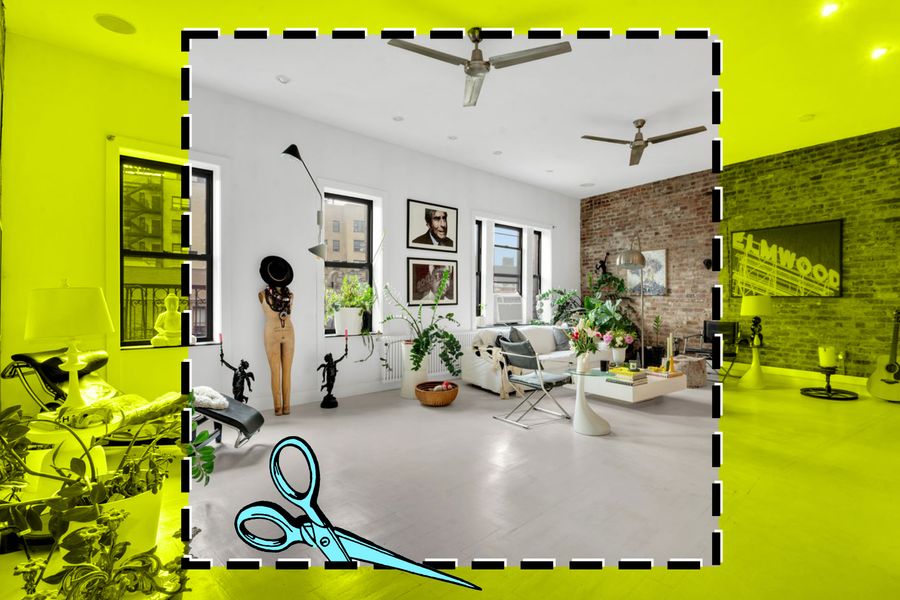
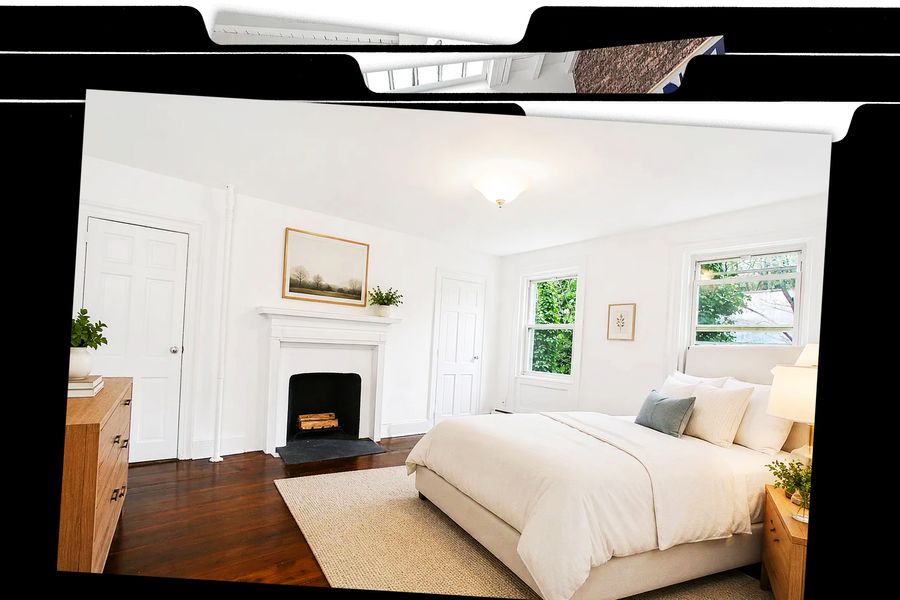
Bugbee, along with everyone else who showed up that day, had got got by the latest indignity of apartment hunting in New York City: AI staging. The list of insults faced by those of us trying to live here is pretty lengthy already: Rents are out of control — June saw all-time highs of $5,295 in Manhattan and $4,350 in Brooklyn. There are the obvious unknowns endemic to a search — do the neighbors party late? Does the bathroom leak? What’s the rat situation like? Anything worth viewing also tends to rent in a flash (which is why we’re still increasing our own rents just to get any sort of edge). And yes, a bit of deception has long been standard in listing photos — a wide lens, a bit of color saturation to make a viewless window appear brighter — but the tools today are more sophisticated, cheaper, and pretty ubiquitous. The issue of what we might call apartment catfishing has even caught the mayor’s attention — he just included an AI disclosure requirement among his 23 proposals to improve the housing market.