When foreign correspondents’ clubs are struggling, we are all in trouble. Declining membership of these venerable institutions are not just a matter of regret for hard-drinking journalists living out their Evelyn Waugh fantasies but also an indicator of the overall health of international newsgathering. From Reuters and the BBC to
The Washington Post, the world’s great news organisations have been slashing their networks of foreign correspondents. As a result, they have left swaths of the world uncovered by resident reporters – and it is not only their audiences who are losing out.
Foreign correspondents provide crucial on-the-ground information based on long-term knowledge of their patches and the people who live there. Without them, news outlets are left to publish material that is often little better than guesswork: perhaps a cut-and-paste from other sources with added errors produced by Google Translate, or, at best, a light rewrite from an overworked reporter at a desk who might be thousands of miles away from the scene of the story. The consequences of this approach can be serious. Misinformation spreads. False narratives take hold and corrode societies where people believe what they read, hear and see – little realising the dearth of actual journalism behind the reports.
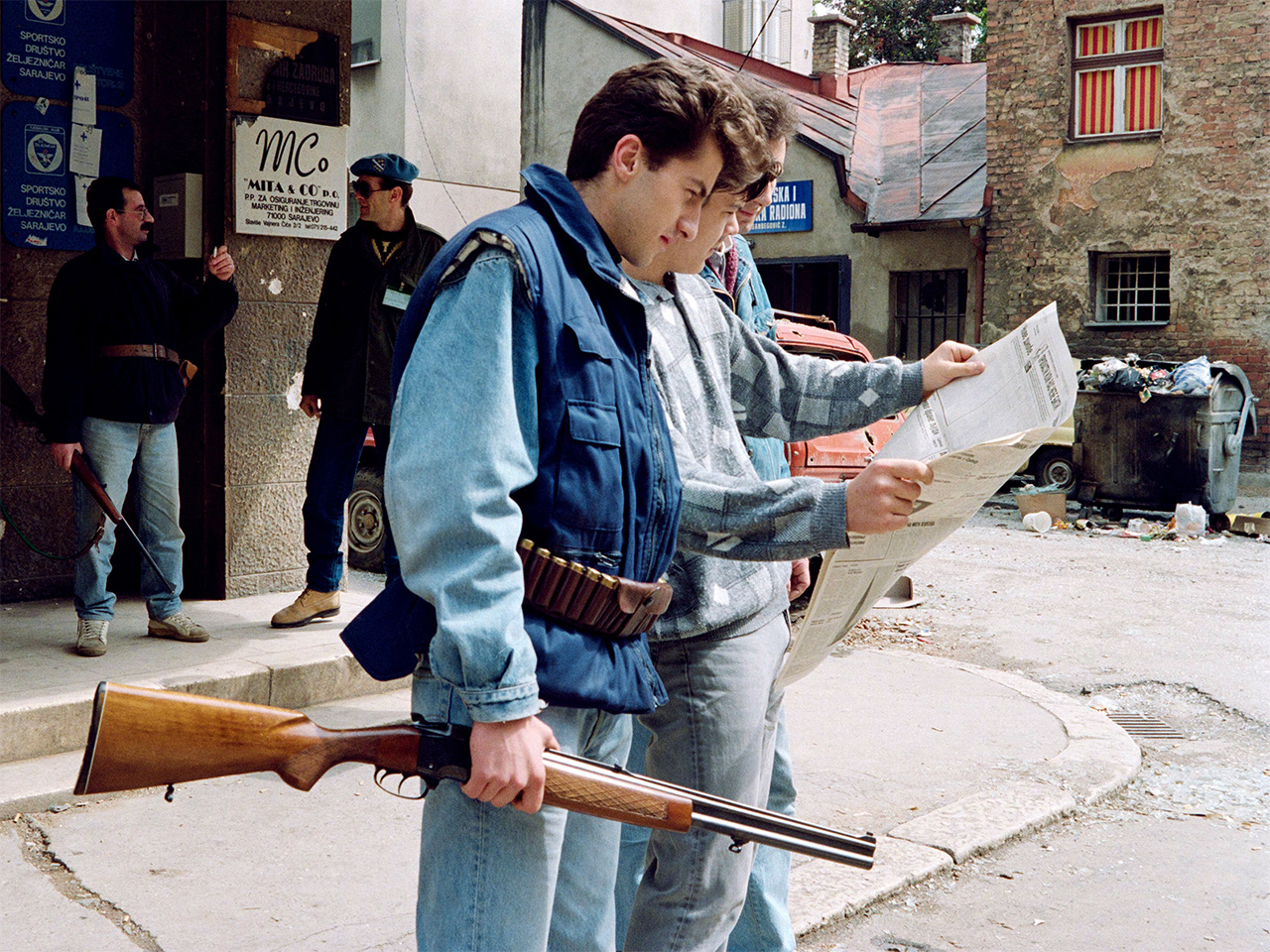
For example, you might have heard about the so-called “sniper tourism” phenomenon in Bosnia and Herzegovina. This is the extraordinary story of how extremely rich individuals from across Europe paid huge sums of money to Bosnian-Serb forces in the 1990s for a ticket to the frontline of the Siege of Sarajevo. The Bosnian-Serb forces then presented a grotesque menu ranking potential targets by age and gender. Young children carried the highest price tag.
This tale started spreading around the world last November, after Italian media picked up claims being made by a little-known writer, who also said that he had submitted a complaint to prosecutors in Milan. Within days, the story spread to international media, including some of the world’s best-known and most respected outlets. Some of these pieces even voiced outrage that this macabre scenario had gone undetected and unpunished by international war-crimes courts. The narrative swiftly took hold: amid the misery of the siege, hundreds of millionaire monsters had been satisfying their twisted bloodlust by killing women and children for kicks.
The Italian writer who was the source of the claims proudly boasted that he had never visited Bosnia – and did not plan to before he published his book on the “sniper tourism” phenomenon. You can assume that the international media outlets who uncritically regurgitated his allegations did not have any reporters on the ground in the region, either. If they had, they might have never published pieces that would fail even the most basic fact-checking process.
It would take another entire article to detail the negative impact in Bosnia and Herzegovina – a country that remains deeply divided thanks to ethno-nationalist politicians. Many people I met on my most recent trip to Sarajevo did not know what to believe. They had already seen human beings plumb the depths of depravity during the war, so perhaps “sniper tourism” could be real. Others were angry. The atrocities committed during the war are a matter of judicial and historical record – you don’t have to make anything up.
But that is where international news currently finds itself: if publications do not have resident reporters, they leave themselves open to inadvertently spreading false narratives – or worse. At a time of hybrid wars, rampant disinformation and hate speech metastasising through social media, the need for expert foreign correspondents is greater than ever.
Guy De Launey is Monocle’s much-valued Ljubljana-based Balkans correspondent. For more insight and analysis, subscribe to Monocle today.
Further reading:
-
Why a Trump tower in Belgrade would reopen Serbia’s war wounds
-
‘What we are dealing with is a moral trauma’: How NGO Superhumans is helping to rehabilitate battle-scarred Ukrainians
-
Geopolitics might’ve lost its shock value but the Delphi Economic Forum is a good omen for diplomacy