Plus: What makes a pest a pest? ‌ ‌ ‌ ‌ ‌ ‌ ‌ ‌ ‌ ‌ ‌ ‌ ‌ ‌ ‌ ‌ ‌ ‌ ‌ ‌ ‌ ‌ ‌ ‌ ‌ ‌ ‌ ‌ ‌ ‌ ‌ ‌ ‌ ‌ ‌ ‌ ‌ ‌ ‌ ‌ ‌ ‌ ‌ ‌ ‌ ‌ ‌ ‌ ‌ ‌ ‌ ‌ ‌ ‌ ‌ ‌ ‌ ‌ ‌ ‌ ‌ ‌ ‌ ‌ ‌ ‌ ‌ ‌ ‌ ‌ ‌ ‌ ‌ ‌ ‌ ‌ ‌ ‌ ‌ ‌ ‌ ‌ ‌ ‌ ‌ ‌ ‌ ‌ ‌ ‌ ‌ ‌ ‌ ‌ ‌ ‌ ‌ ‌ ‌ ‌ ‌ ‌ ‌ ‌ ‌ ‌ ‌ ‌ ‌ ‌ ‌ ‌ ‌ ‌ ‌ ‌ ‌ ‌ ‌ ‌ ‌ ‌ ‌ ‌ ‌ ‌ ‌ ‌ ‌ ‌ ‌ ‌ ‌ ‌ ‌ ‌ ‌ ‌ ‌ ‌ ‌ ‌ ‌ ‌ ‌ ‌ ‌ ‌ ‌ ‌ ‌ ‌ ‌ ‌ ‌ ‌ ‌ ‌ ‌ ‌ ‌ ‌ ‌ ‌ ‌ ‌ ‌ ‌ ‌ ‌ ‌ ‌ ‌ ‌ ‌ ‌ ‌ ‌ ‌ ‌ ‌ ‌ ‌ ‌ ‌ ‌ ‌ ‌ ‌ ‌ ‌ ‌ ‌ ‌ ‌ ‌ ‌ ‌ ‌ ‌ ‌ ‌ ‌ ‌ ‌ ‌ ‌ ‌ ‌ ‌ ‌ ‌ ‌ ‌ ‌ ‌ ‌ ‌ ‌ ‌ ‌ ‌ ‌ ‌ ‌ ‌ ‌ ‌ ‌ ‌ ‌ ‌ ‌ ‌ ‌ ‌ ‌ ‌ ‌ ‌ ‌ ‌ ‌ ‌ ‌ ‌ ‌ ‌ ‌ ‌

US Edition - Today's top story: Why 78 degrees isn't the right thermostat setting for everyone during a heat wave View in browser

22 July 2026

US Edition

The Conversation
 

Top headlines

Lead story

It’s hot, electricity prices are high, and Americans are struggling to afford to stay cool. You might have heard public officials recommending setting your air conditioning systems to 78 degrees Fahrenheit (25.6 Celsius) to balance comfort and energy- and cost-efficiency.

But it’s not as simple as that, explains Destenie Nock, an engineering and public policy scholar at Carnegie Mellon University. Cooling equipment varies. The climate varies across the U.S. as well. And each person’s individual health needs are different too.

Nock explains how those elements factor into comfort and safety, and offers some key suggestions – with no or very low cost – for keeping yourself, your loved ones and your home cool as the thermometer climbs.

[ Science from the scientists themselves. Sign up for our weekly science email newsletter. ]

 

Jeff Inglis

Environment + Energy Editor

 
Elbert Yazzie adjusts his air conditioning unit in Tuba City, Ariz., in 2025. Frederic J. Brown/AFP via Getty Images

Why 78 degrees isn’t the right thermostat setting for everyone during a heat wave

Destenie Nock, Carnegie Mellon University

There is no single thermostat setting that is right for every person or every home. And there are other easy, low-cost steps that can help keep everyone comfortable when hot weather sets in.

Ethics + Religion

‘Sanctuary people’ redefine what it means to protect immigrants in uncertain times

Gina Perez, Oberlin College and Conservatory

Many faith groups supporting immigrants root their mission in the idea of ‘accompaniment,’ which springs from Catholic social teaching.

Health + Medicine

Why Americans seeking affordable doctor visits and medicines abroad may misjudge healthcare quality

Kelli Frias, American University; Deidre Popovich, Texas Tech University

Traveling to Mexico for routine healthcare can be convenient and affordable – but the cues patients rely on to judge quality of care may differ in important ways.

Science + Technology

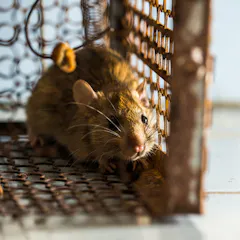
Why are some animals considered ‘pests’? It comes down to culture and convenience

Elan Abrell, Wesleyan University

Calling an animal a ‘pest’ can sometimes cause more harm to people than the animal itself.

Rescuing satellites is harder than it looks – a growing space junk problem will make doing so more important

Wanjiku Chebet Kanjumba, University of Florida

A new mission to save NASA’s Swift observatory shows why catching a satellite that was never designed for rescue is one of the hardest jobs in spaceflight.

New genetic approaches raise hopes for restoring the American chestnut to its former glory

Steve Strauss, Oregon State University

By identifying the genes and molecules crucial to resistance in American chestnuts and other species, researchers hope to use genomic techniques to breed trees that can flourish in the face of blight.

Politics + Society

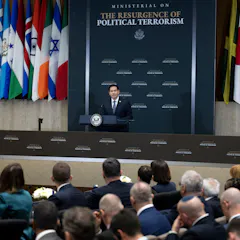
The antifa terrorism threat the Trump administration describes does not exist

Jason M. Blazakis, Middlebury College

Antifa is a scattered movement of local collectives that opposes fascism. It has no leader, command hierarchy, funding structure or record of deadly attacks.

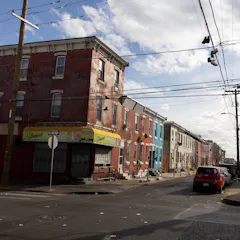
Philadelphia’s criminal justice fines and fees fall hardest on poorest neighborhoods

Jordan Hyatt, Drexel University; C. Clare Strange; Nathan Link, Rutgers University; Brian Lawton, John Jay College of Criminal Justice

New research maps where legal financial obligations are concentrated – and finds they overlap with poverty, violence and racial inequality.

International

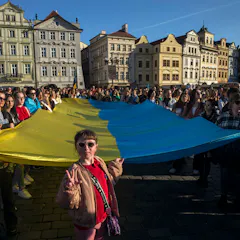
Czech nonprofits applied lessons learned during the COVID-19 pandemic to the Ukrainian refugee crisis – but had little say in key decisions

Tara Kolar Bryan, University of Tennessee

Researchers found that while authorities have depended on nonprofits to deal with the refugee crisis, many nonprofit leaders had little say in planning and coordination.

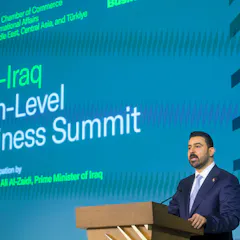
Iraq is emerging as the Middle East’s strategic connector – but can it turn foreign competition into advantage?

John Calabrese, American University

Iraq has pursued friendly relations with many countries who are themselves at odds. The strategy has lots of upside for war-torn Iraq – but holds key risks as well.

Environment + Energy

The National Climate Assessment is broken – appointing Matthew Wielicki to lead it won’t help

Joe Árvai, USC Dornsife College of Letters, Arts and Sciences

What communities and businesses really need is information they can act on, with examples of what’s worked elsewhere and why – and what fails.

Trending on site

Today's chart

A bar graph showing the threats to endangered species broken down by type (habitat loss or change, overuse, pollution, species interactions, environmental variability, demographic variability). The largest threat is habitat change or loss.

How redefining one word strips the Endangered Species Act’s ability to protect vital habitat